Flour & Dough Analysis for the Food Industry
Optimize Quality, Ensure Compliance, and Drive Innovation
Discover how the KPMAnalytics' CHOPIN Technologies products, a trusted name in the industry for more than 100 years, can transform your high-volume production processes. Our advanced analysis devices are designed according to standards for commercial millers and bakers like you, ensuring operational excellence, quality control, and innovation at every stage of production.
- Determine moisture, protein, and ash in grains and flour using NIR.
- Monitor incoming ingredients for impurities and quality.
- Anticipate extraction potential & flour quality of wheat in an industrial mill.
- Produce representative flour samples to decide which corrections are needed.
- Assess Starch Damage in flour to anticipate its impact on baking (volume, color, stickiness, etc.).
- Evaluate quality & baking performance of flours to better fit baker's requirements.
- Measure and correct rheological properties of dough: tenacity, extensibility, elasticity, and baking strength.
- Measure and correct dough development, gas production, porosity, and proofing tolerance of dough in a single test.
- Methods & products recognized by international standards incl.: ISO, CEN, AFNOR, AACC, and ICCa, & serve as an industry reference for compositional & functional analysis.
Why is it important in the bakery and snack industry?
Flour and dough quality control is crucial for commercial baking products. The quality of flour directly impacts dough behavior of dough and the final product’s taste, texture, and appearance. Inconsistent quality can lead to unsatisfactory products and loss of customer trust.
Read this article to learn more about testing batches of flour to predict bread height.
Get More Information
Analysis Devices for Quality Control of Cereals, Grains, Flour, and Dough
Learn More About the TechnologyHow KPM Analytics Can Help
he CHOPIN Technologies products from KPM Analytics are backed by 100 years of experience, and lead the way in providing advanced solutions for compositional, functional, and rheological analysis of cereals, grains, flour, and dough, empowering you to maintain the highest standards and meet the expectations of global grocery and foodservice industries.
Our cutting-edge products are designed to meet the rigorous demands of food manufacturers, enabling unparalleled quality control, optimize production processes, and the power to innovate with confidence. From assessing the precise composition of raw materials to understanding the complex behavior of dough, our technologies pave the path for excellence in food production, ensuring consistency, efficiency, and superior product outcomes.
Click on the product cards for detailed information about each product.
%20(1).webp)
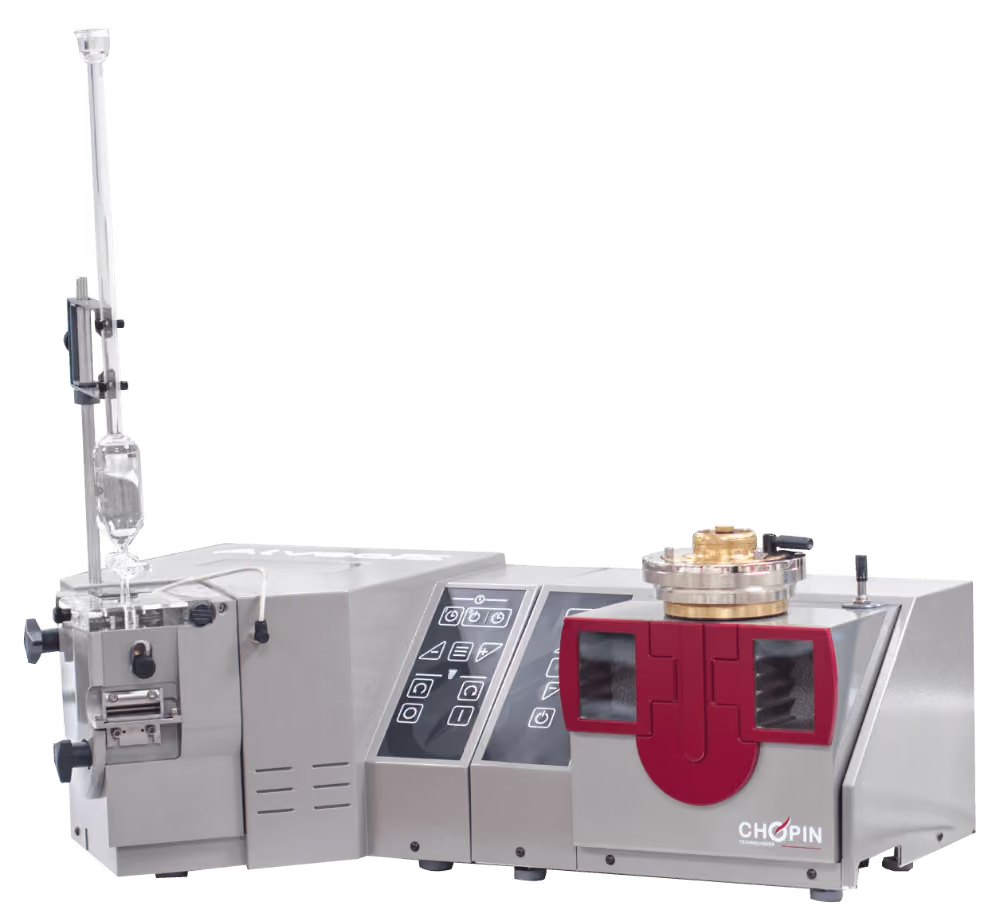
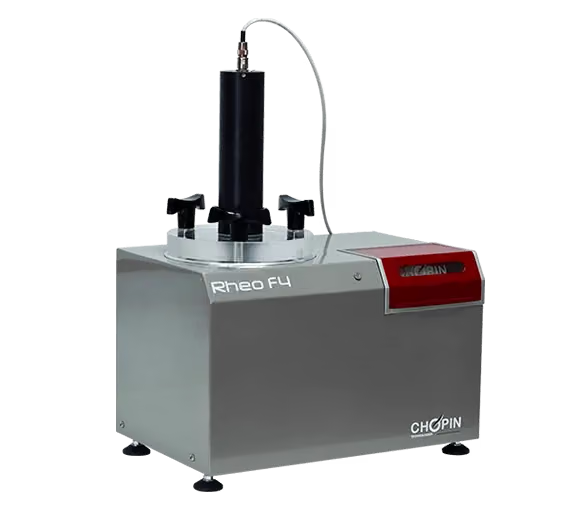
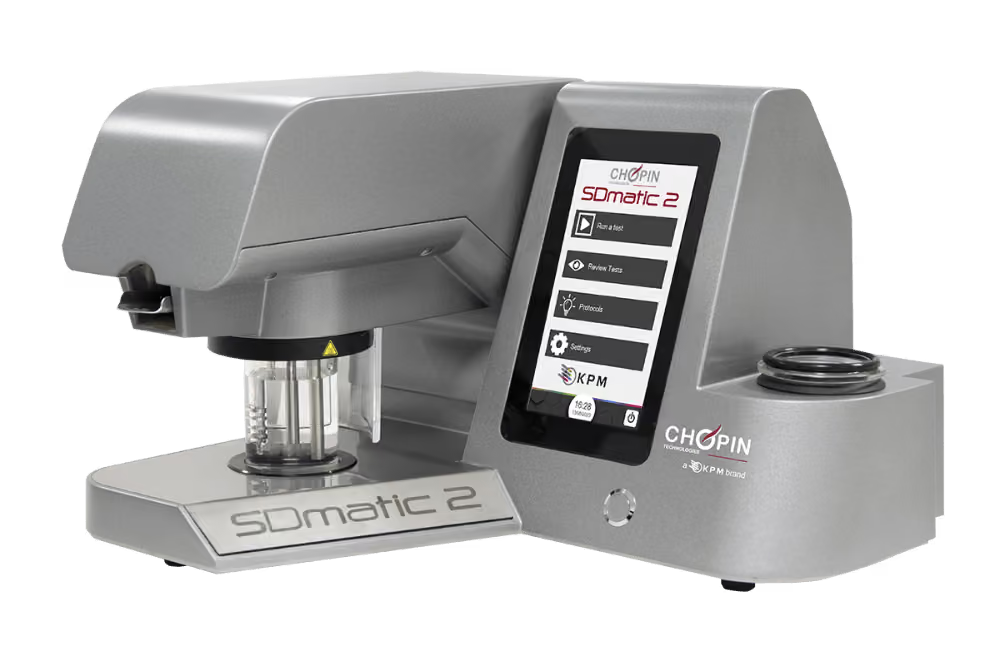

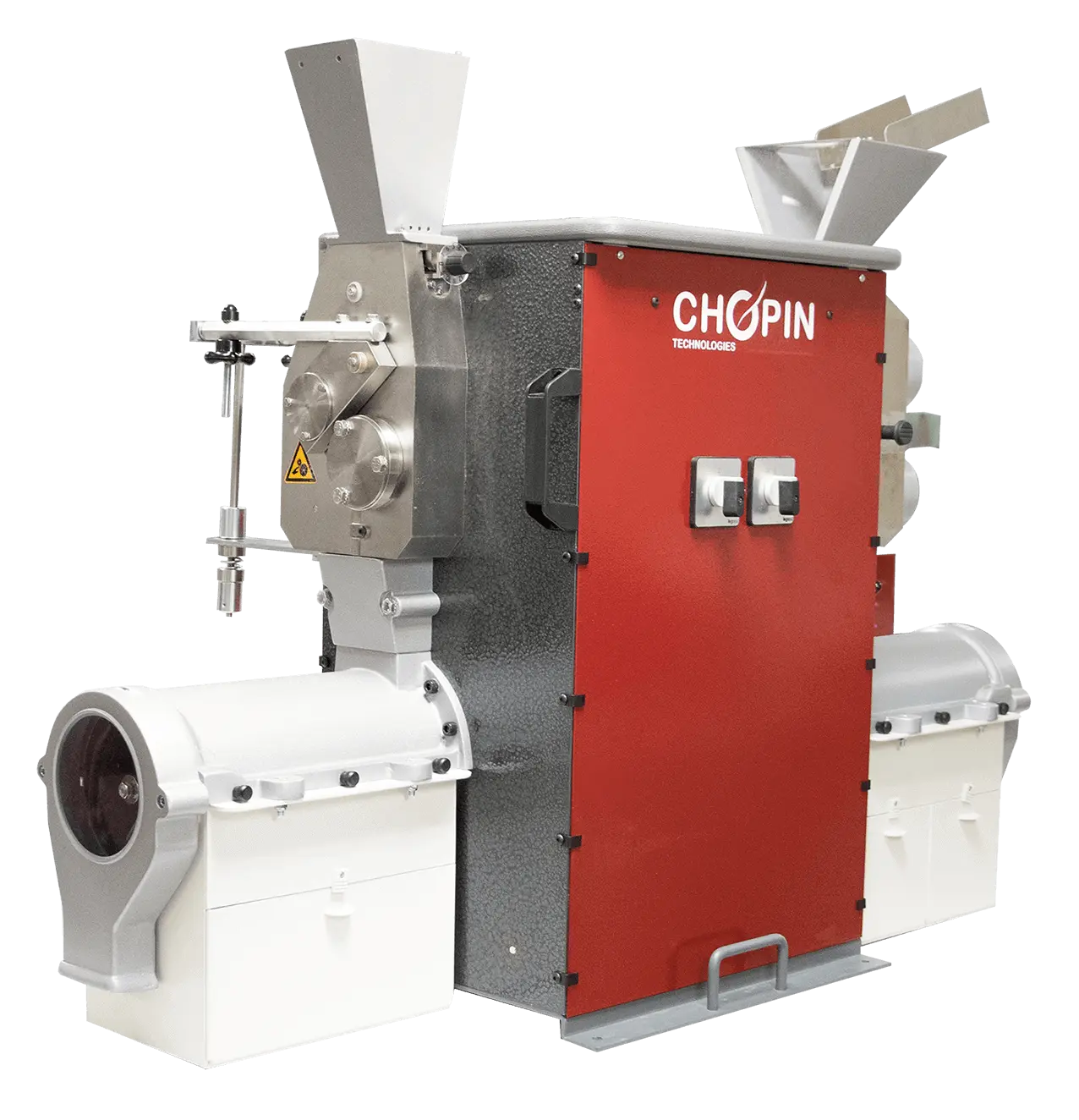
The Key Benefits of Analyses in Milling & Baking
KPM's CHOPIN Technologies products help customers ensure operational specifications, regulatory compliance and quality standards are met. Many of the food products you consume on a daily basis have been analyzed by the manufacturer and tested for quality using a CHOPIN product.
Operational Excellence in High-Volume Production
Ensure operational specifications within your high-volume production facility. KPM's analysis devices offer the opportunity to fully understand how each stage of your process is contributing to the final product and they have been engineered to meet the rigorous demands of large-scale milling and baking operations.
Quality Control at Every Stage
Implement rigorous quality control at every stage of your production process. From functional and compositional analysis of grain & flour, to understanding dough rheology and its characteristics, we empower your quality assurance program at every stage in your process
Innovation in Product Research & Development
Drive innovation in your product lineup with precise analysis using KPM's CHOPIN Technologies devices. Stay ahead of industry trends, meet consumer preferences, and create products that set you apart in the dynamic world of commercial baking.
Reduction in Costly Baking Trials
With the Mixolab you're guided through initial analysis stages and it replicates a full baking trial, offering extra insights into product shelf life. This provides clear understanding of how flour batches will perform in baked goods.
Ease of Use and Maintenance
Engineered by food scientists and industry experts, with input from some of the largest food producers in the world, our products are robust, user-friendly and easy to clean & maintain. They also come with intuitive software and clear instructions, and require minimal calibration and servicing.
Customer Support and Training
We offer comprehensive customer support and training services, including installation, troubleshooting, technical assistance, and online courses. Our customers have access our KPM Academy to learn more about our products and methods, and improve your skills and knowledge.
Compliant With International Standards
Our products are designed and calibrated to provide precise and consistent results, and comply with international standards and quality norms.
Innovation and Expertise
We are constantly innovating and developing new products and methods to meet the evolving needs and challenges of the food industry. We have a team of experts and researchers who are invested in advancing quality assurance in the food industry and to providing you with the best solutions.
Essential Insights Based on Solid Data
Analysis technologies offer essential insights for key quality control metrics in the food industry. KPM Analytics is unique to other companies because we offer a range of quality assurance instrumentation that provides bakeries with end-to-end control of their process, with data-backed insights at every step.
Incident Reduction
With knowing more about your ingredients and the deep insights into your processes, comes the added bonus of lower incident rates including customer satisfaction, incident reduction (complaints), waste minimization, and enhanced efficiencies


Detailed Information for Millers
Why Use Laboratory Mills from KPM Analytics?
Grain traders, elevators, millers, breeders, and bakers can benefit from the results of standardized testing used to determine flour quality & make decisions about it, based on good milling practices.
Scenario 1
The Challenges: Production flour with profiles that are out of specification & not meeting quality standards
Question: How to predict wheat behavior & achieve consistent results?
Goals:
- Understand how wheat will perform in your milling process to avoid problems during the process
- Achieve highest possible yields of high purity flours
- To evaluate the effect of enzymes or any other bread-making improvers
- Consistency in quality to ensure customer trust & loyalty
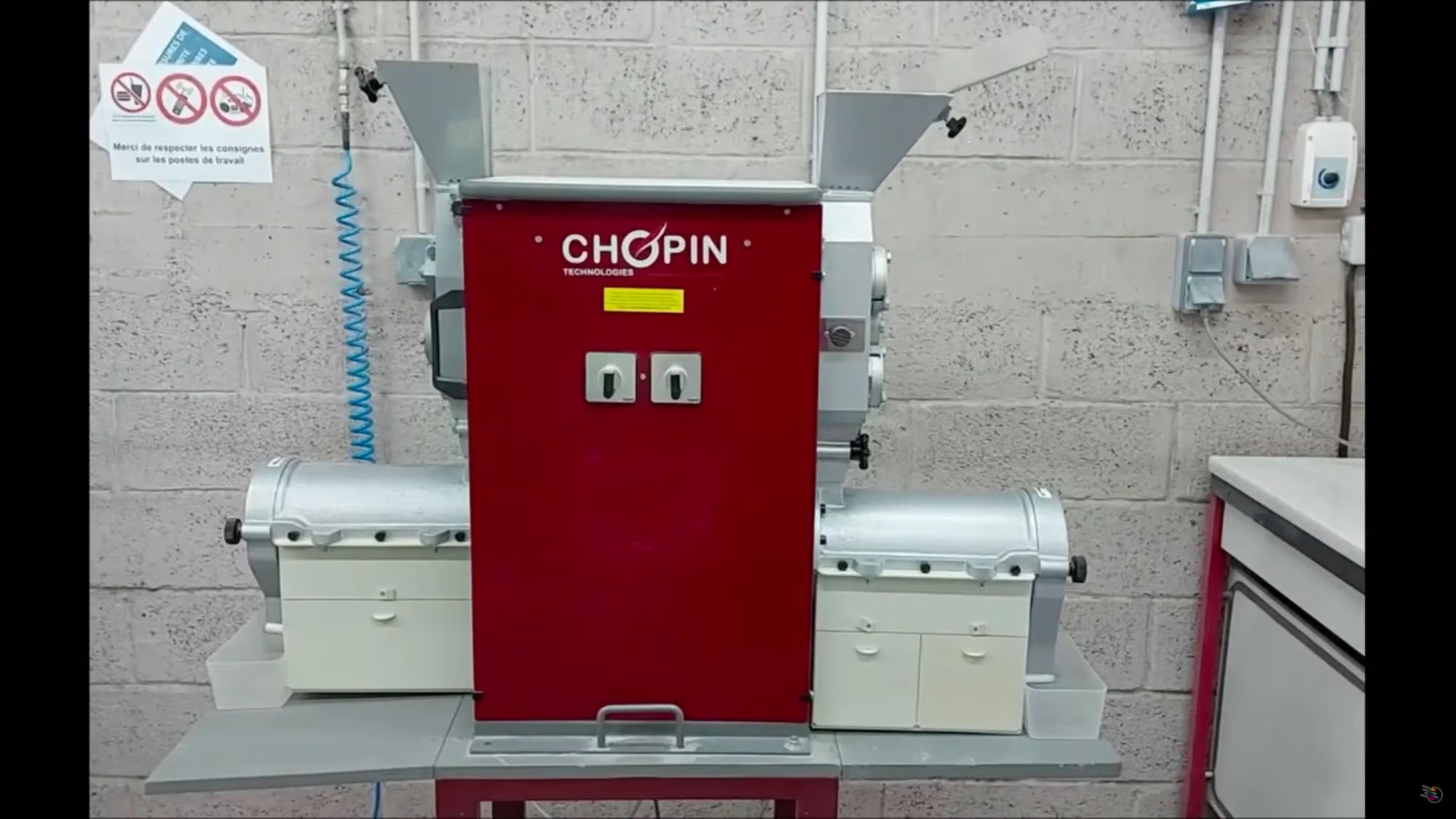
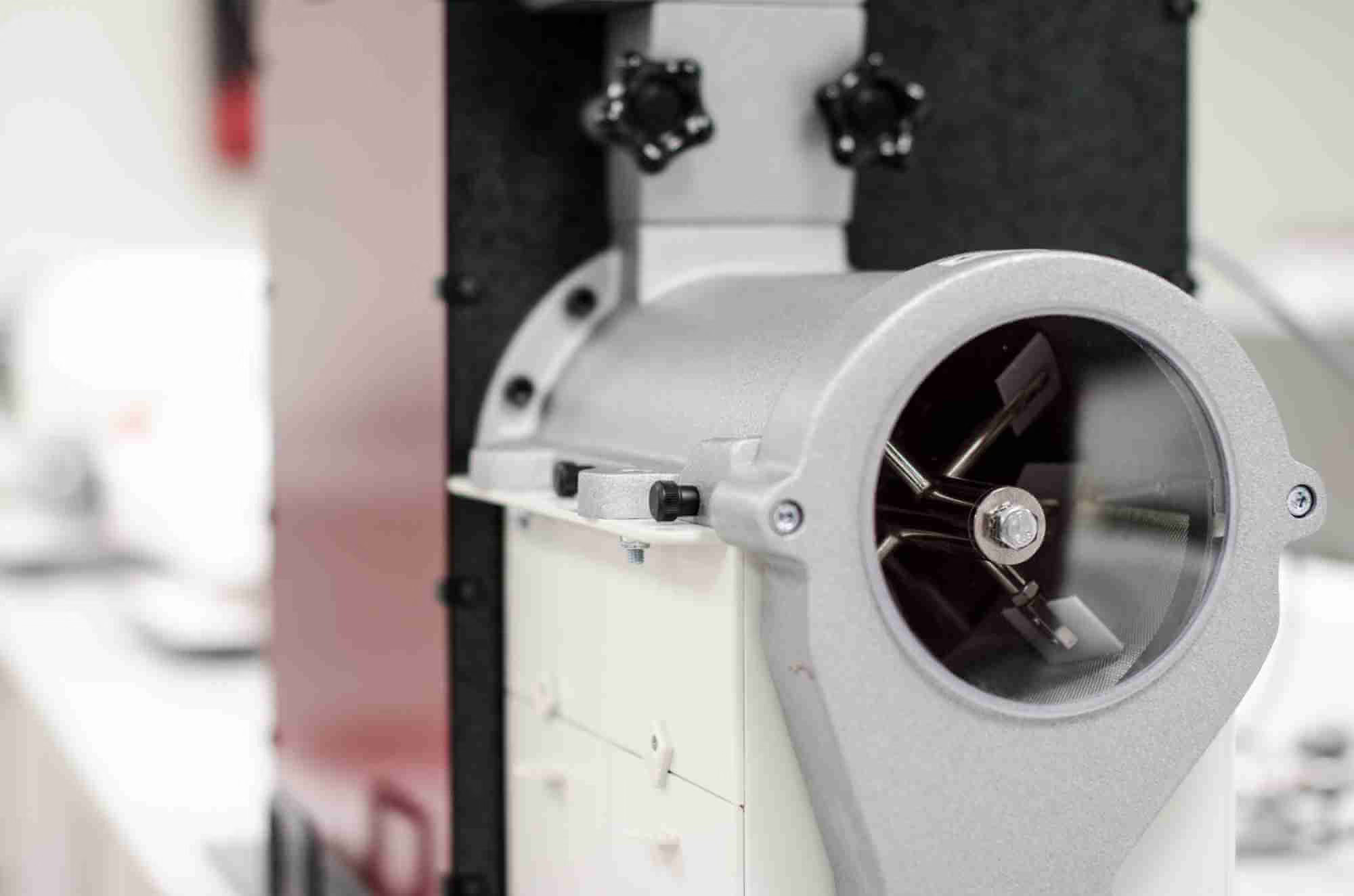
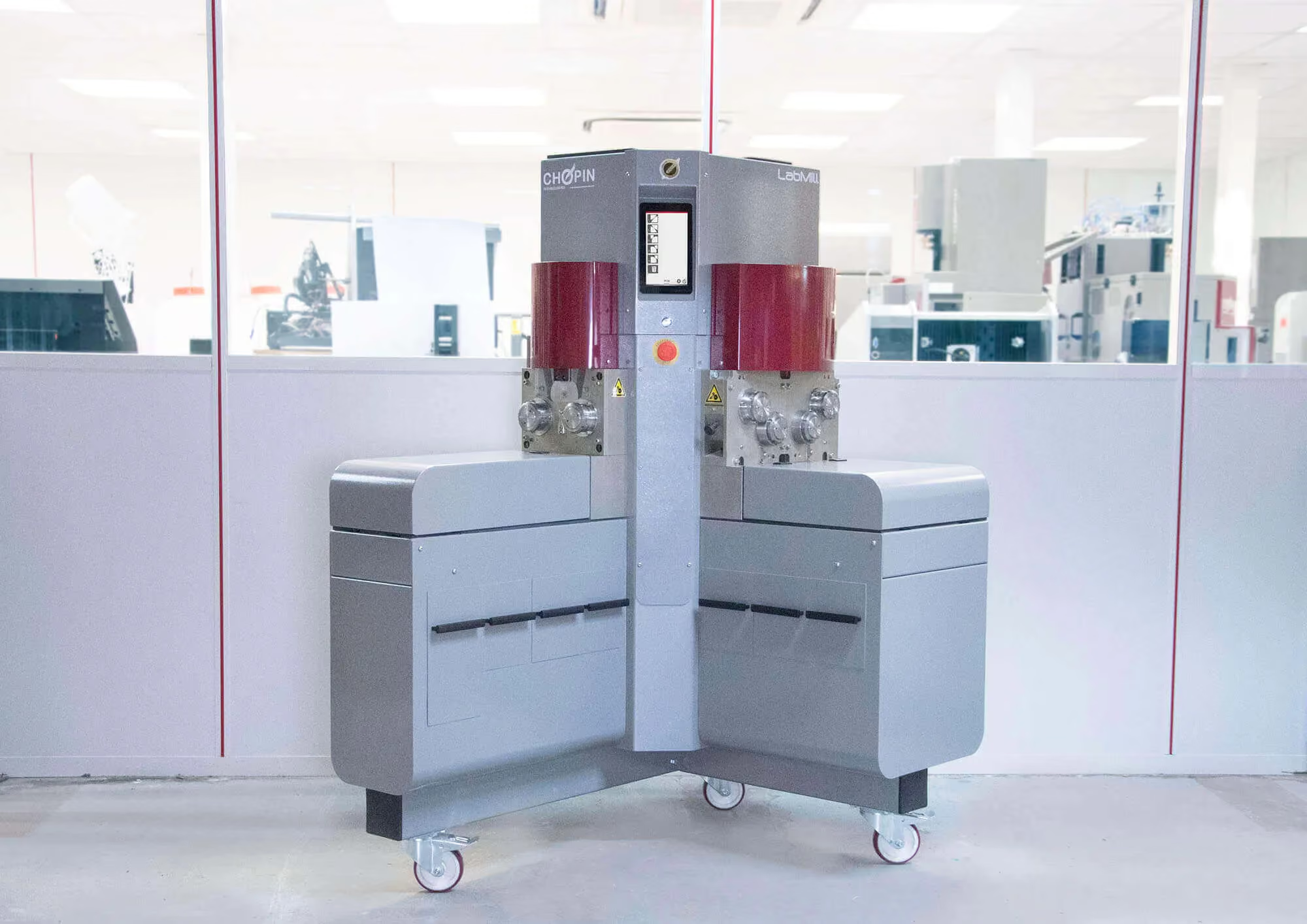
Recommended Technology: CHOPIN LabMill
Why This Solution:
- Closest comparison to Industrial mills with corrugated breaking, smooth reduction, and sifting between streams
- LabMill was developed by millers, for millers, respecting all of the fundamental rules for milling
- Adjustable - individually adjustable cylinders, feed rate, sieving efficiency, roller spacing, etc.
- High extraction rate, low ash content
- Test 2 samples at the same time
- User friendly, easy to clean & maintain
- Lower cost of ownership
The Results:
- Accurately anticipate wheat behavior in your milling process
- Achieve high extraction rate with high flour purity
- Reduction in waste - avoiding issues in production means less product loss
- Better quality control throughout the process
- Compliance with customer specifications - better customer relationships
- More appropriate wheat selection, based on milling value & the quality of the produced flour

Scenario 2
The Challenges: Variations in flour samples between labs/locations - not reliably representative
Question: How to produce reliable comparative flour samples on multiple mills and at multiple locations?
Goals:
- Work with a reliable & indisputable tool for commercial wheat transactions to assess the intrinsic quality of wheat (same results as wheat milled by the seller or buyer)
- Ensure controlled sample preparation to accurately compare wheat blends and physiochemical properties of flour
- Anticipate the baking value of future wheat varieties
Recommended Technology: CHOPIN CD1 Mill
Why This Solution:
- Only lab mill officially recognized to mill wheat & analyze flour with the Alveograph (ISO 27971)
- More representative flour samples - combines grooved rolls (breaking part) & smooth rolls (reduction part), resembling industrial mills
- Obtain two distinct flours (breaking and reducing), often combined & homogenized before undergoing testing
- Ease of use - features a short, fixed milling diagram and no user settings
- High throughput - 1kg of wheat in approx. 20 minutes
- Simultaneous operation of 2 processes (breaking and reduction)
- Produce enough flour for Farinograph testing in one run (requires min 600 g of flour)
- Lower cost of ownership - equipped with exceptionally durable and nearly indestructible cylinders
- Robust design, easy to clean, & low maintenance
The Results
- Consistent test flour production across laboratories (hard or soft wheat)
- Ensure reliable analyses such as Alveograph, Farinograph, Extensograph, Mixolab, and more
- Reliable results that are solely influenced by the tested wheats, and not by the milling tool employed in their transformation
- Bread quality that meets or exceeds the specifications
Millers possess a greater understanding of flour properties. They have the training, the scientific background, and the experience in their milling processes to consistently meet the specifications that create the Certificate of Flour Acceptance (COA). And, while the miller is an expert in developing flours that meet these specifications, they are not the expert in the baker’s unique process or product line. This is where Functional and Rheological Analyzers take over to assist the bakers in preparing for success based on an advanced understanding of the properties in each batch of flour.
Read this article to understand the role that Mixolab plays in predicting performance during baking and how it assisted a pan bread manufacturer to create product profiles for baking the ideal product.
Solutions for Baked Goods Manufacturers
A Game-Changing Approach to Flour and Dough Analysis for Food Producers
Many producers of baked goods and snack foods, when it comes to keeping flour quality in check, follow specifications set by millers. However, bakery professionals could benefit from a deeper understanding of their flour to elevate the finished product and eliminate costly waste & downtime by taking matters into their own hands.
In the intricate realm of baking science, developing the ideal product demands more than a mere balance of flour components like protein, starch, and ash content. For example, baking technology such as rheological analysis of dough can provide baseline expectations for flour performance in the baking process, helping bakers streamline quality control throughout the process, reduce ingredient usage, and make informed process decisions faster.
By prioritizing quality control and leveraging compositional, functional, and rheological analysis technologies, bakers can enhance their communication with millers and understand dough behavior to ensure consistency in appearance, size, aroma, and structure, thereby refining their baking processes and ensuring consistent excellence in their products.
- Monitor incoming ingredients
- Control formulation of typical and specialty recipes
- Test new recipes
- Optimize production processes
- Ensure high-quality final products
Contact KPM Analytics to learn how out dedicated solutions can empower commercial bakers, ensuring precision and quality control in the production of high-volume baked goods and snack foods.