NIR Spectroscopy for Food and Feed Analysis

Near Infrared Spectroscopy: Precision in Every Measurement
Explore the future of quality control with KPM Analytics' NIR Spectroscopy Analyzers. Achieve accurate readings with advanced near infrared spectroscopy technology. Optimize product quality, get faster results, reduce costs, and protect your brand.
- Precise Analysis for Diverse Food & Feed Products
- Exceptional Quality Control Tool
- Results in Seconds
- Extensive Library of Robust Calibrations
- Versatile - One Instrument for Multiple Products
- User-Friendly & Intuitive Operation
- Reliable Performance for Heavy-Use
- Minimal Sample Preparation Required
- Non-Destructive Analysis
Experience the power of infrared spectroscopy!
Get More Information
KPM's NIR Solutions
Learn About Moisture & Compositional AnalysisHow Does NIR Work?
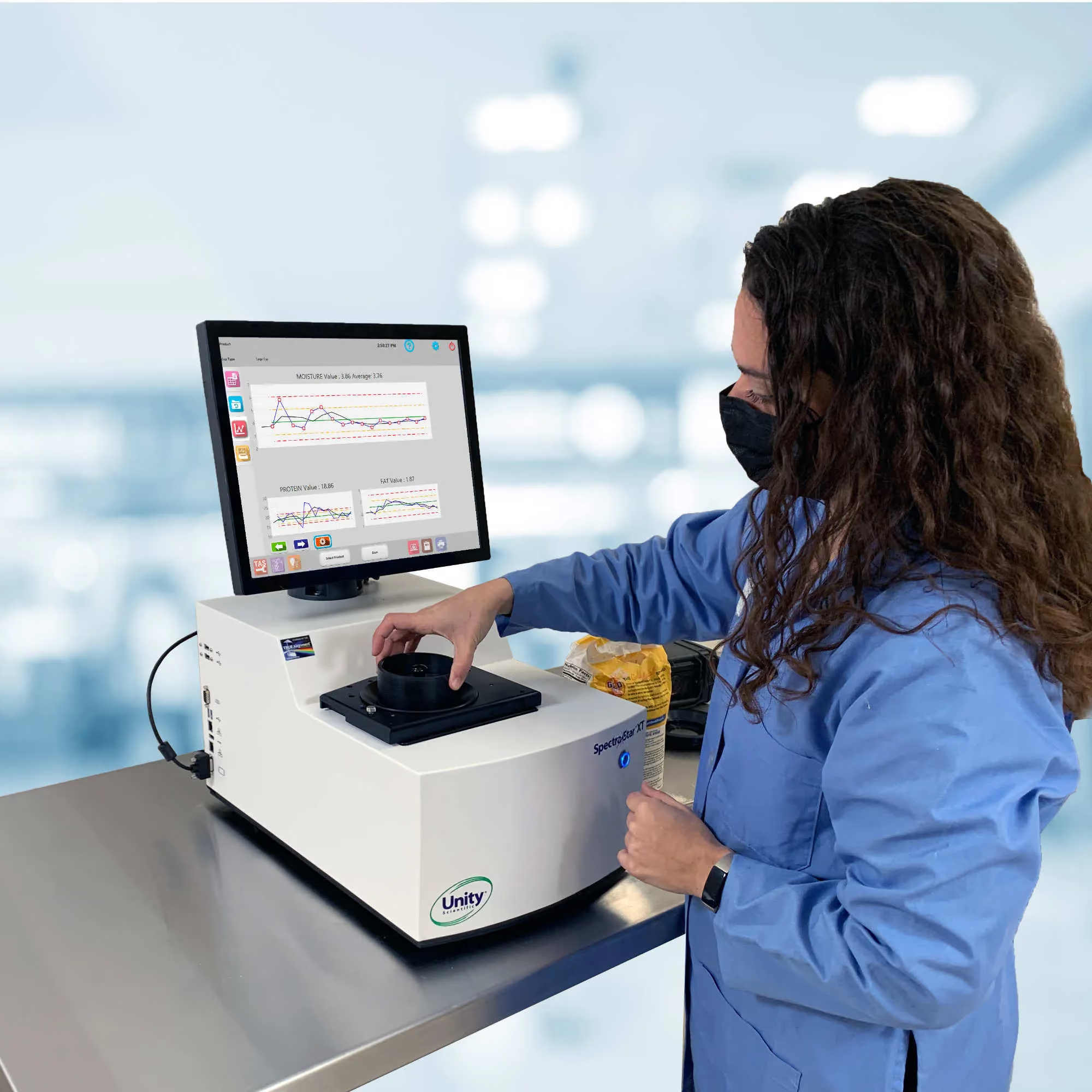
Near-Infrared (NIR) technology in food, feed and grain analyzers works by shining a beam of near-infrared light onto a sample and measuring how the sample interacts with that light. Different molecular components in the sample (like water, fats, proteins, and carbohydrates) absorb and reflect the NIR light in distinct ways. Each type of molecule has a unique signature in the NIR spectrum. The collected data is then analyzed using sophisticated algorithms. By comparing the patterns of absorption and reflection to a pre-established database, the analyzer can determine the composition of the sample. The final results are typically displayed on a screen, providing information about the nutritional content and quality of the food sample.
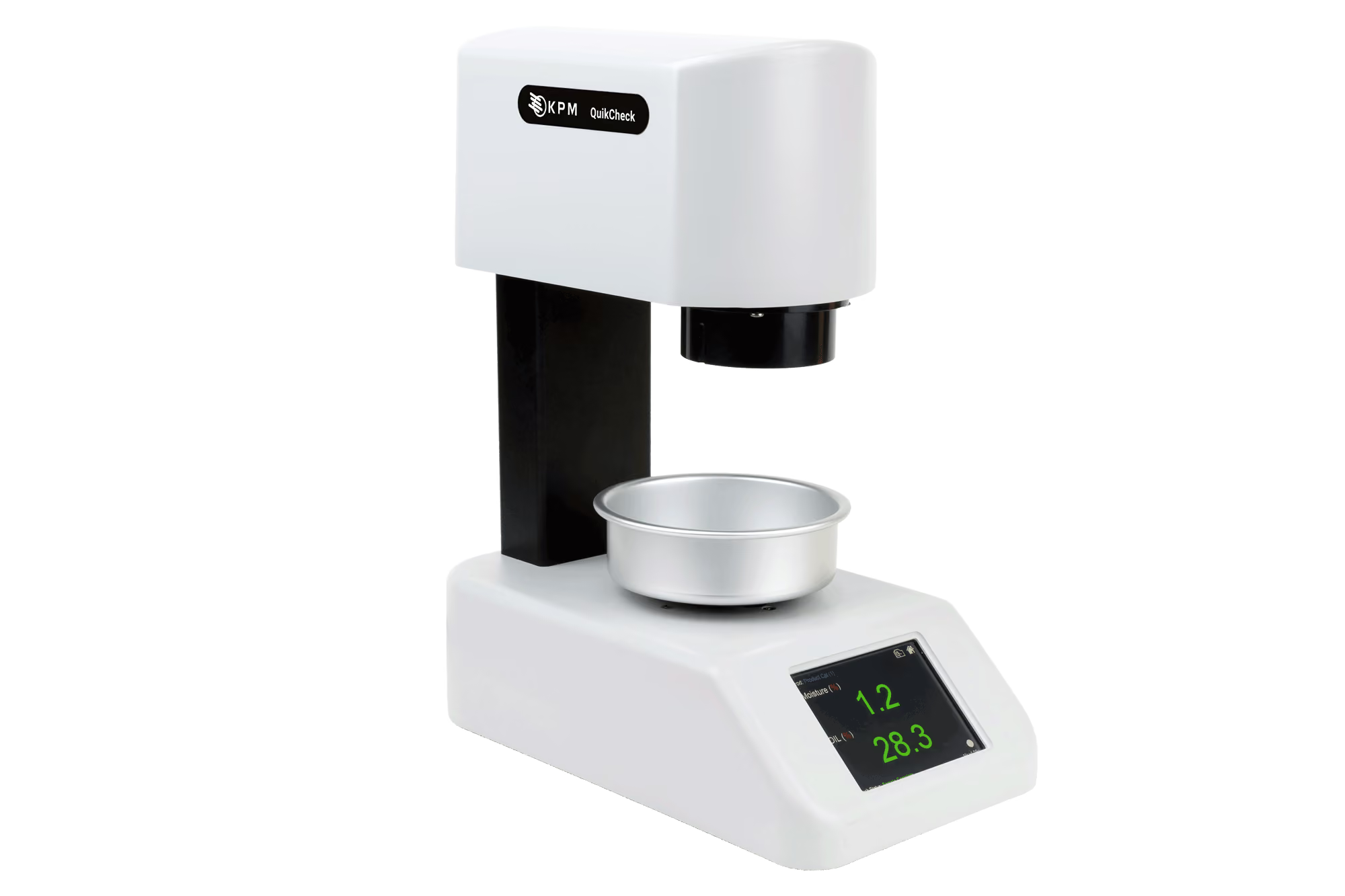
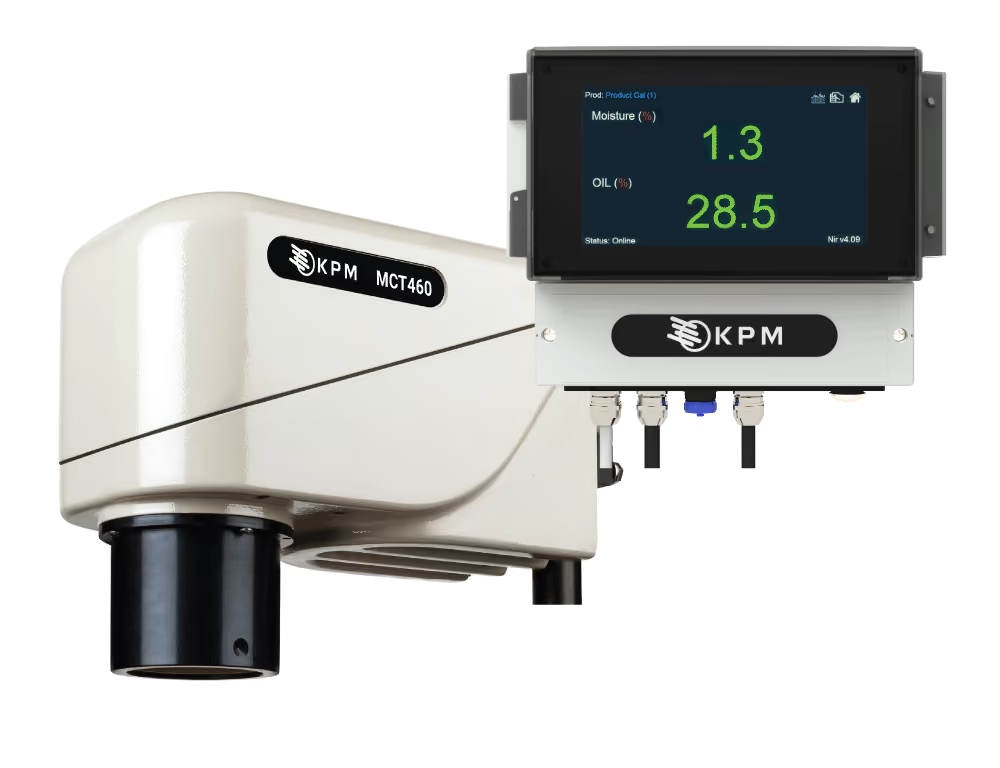
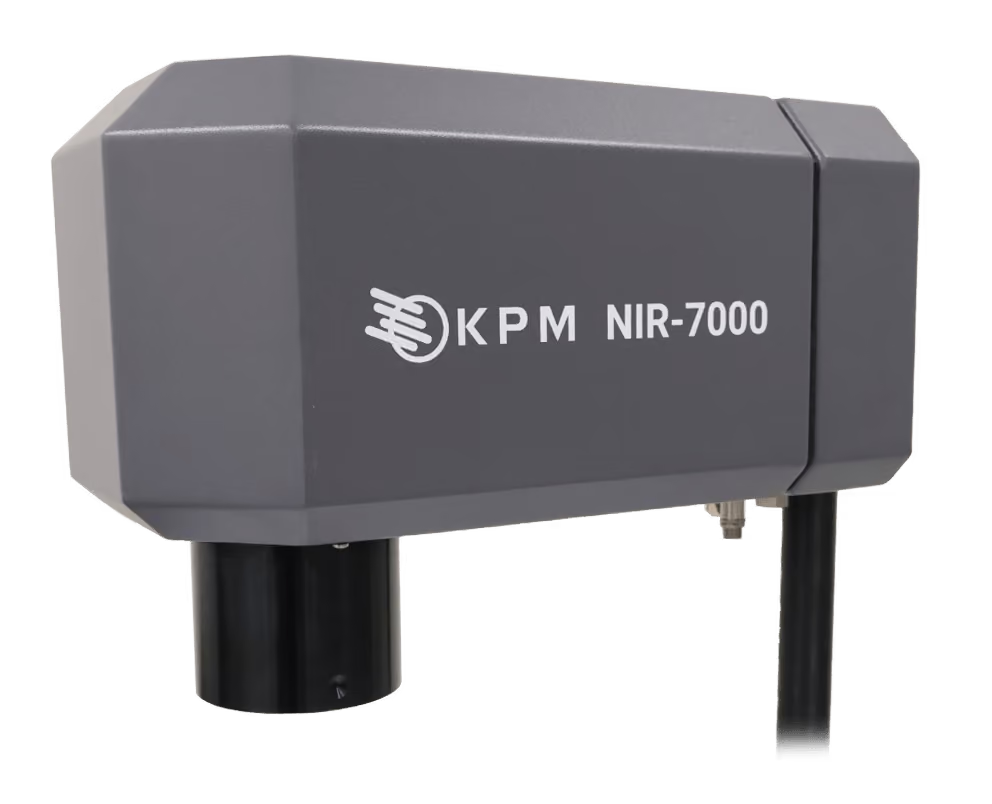
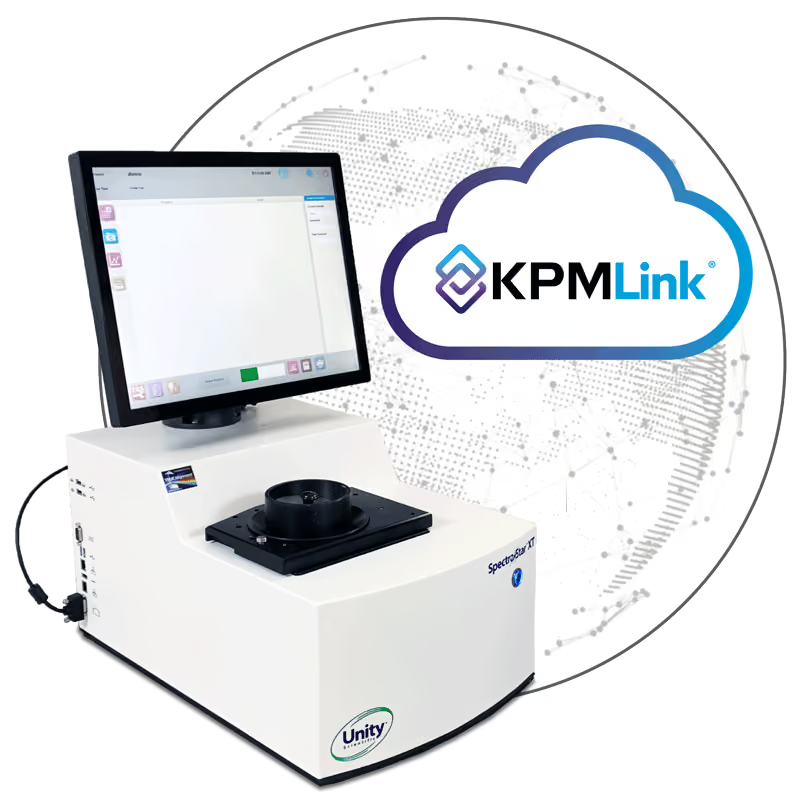
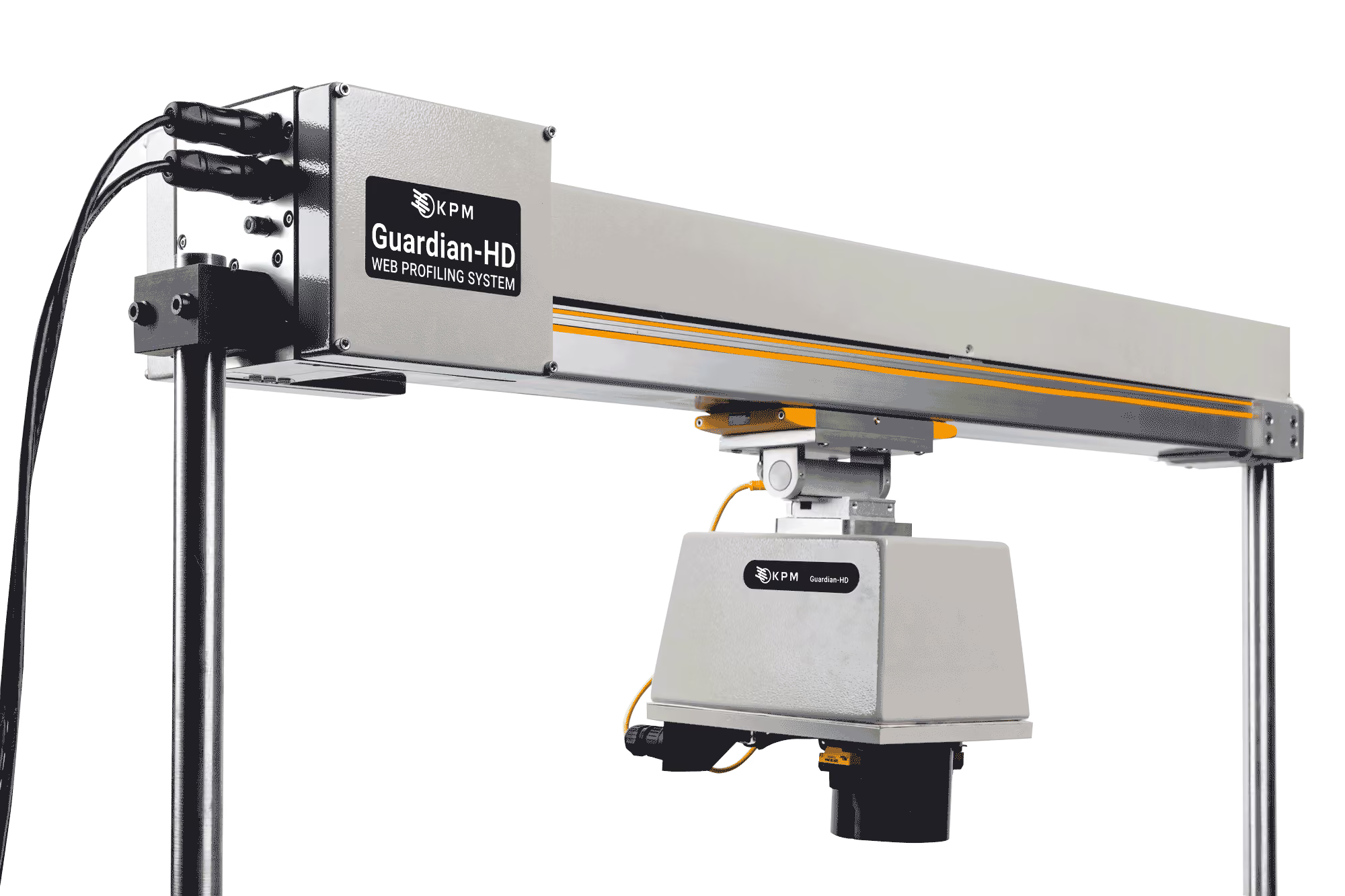
KPM's lineup of Near Infrared Spectroscopy instruments such as moisture analyzers, grain analyzers, and feed analyzers cover many products within the food, feed, and pet food industries with an exhaustive list of calibrations covering raw ingredients and finished goods. Click on the product cards for detailed information about each product.
.webp)

The Key Benefits of Using NIR Spectroscopy
Non-Destructive Analysis
NIR analyzers allow for non-destructive testing of food products. This means that samples can be analyzed without altering or damaging them. This is particularly important for maintaining product integrity, especially in industries where preserving the physical properties of the sample is essential.
Rapid Analysis
NIR analysis is rapid compared to traditional laboratory methods. This speed enables real-time monitoring of production processes, allowing for quick adjustments and ensuring consistent product quality. Faster analysis also contributes to increased overall efficiency in the production line.
Quality Assurance and Compliance
NIR analysis helps ensure that products meet regulatory standards and quality specifications. This is crucial in the food industry, where adherence to quality and safety standards is paramount. The ability to consistently produce products within specified quality parameters enhances overall quality assurance.
Cost-Efficiency
While the initial investment in NIR technology may be significant, the long-term benefits in terms of reduced labor costs, increased production efficiency, and savings on reagents and consumables often outweigh the initial expenses. The ability to perform multiple analyses quickly contributes to cost-effectiveness.
Multifaceted Analysis
NIR analyzers are capable of analyzing multiple components in a sample simultaneously. This capability is particularly advantageous in the food industry, where products often have complex compositions. It allows for comprehensive quality control, covering parameters such as moisture content, fat content, protein levels, and more.
Real-Time Monitoring and Process Control
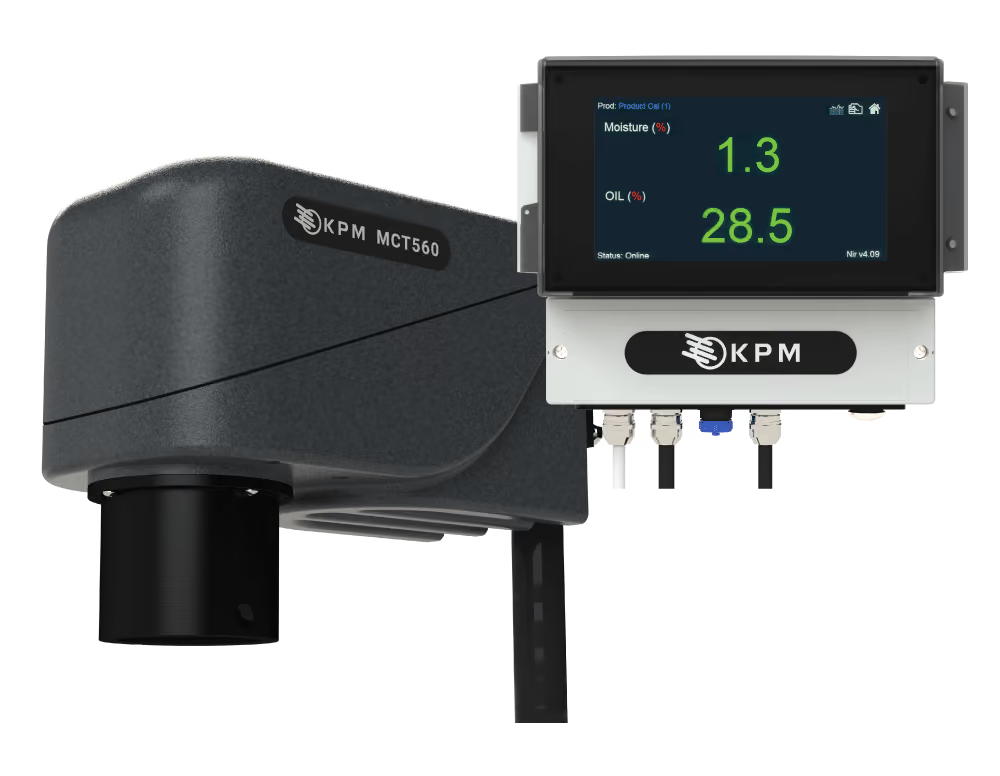
Online NIR technology enables real-time monitoring of various quality parameters during the production process. This facilitates immediate adjustments to production variables, ensuring that the final product meets the desired specifications. It contributes to consistent quality and reduces the likelihood of producing out-of-spec products.
Reduced Dependency on Skilled Labor
NIR analyzers are designed to be user-friendly and often require minimal training for operators. This reduces the reliance on highly skilled personnel for routine quality control tasks. As a result, companies can deploy their skilled labor for more complex analytical tasks, while routine analyses are efficiently handled by NIR instruments.
NIR Applications for the Food Industry
Ingredient Analysis for Quality Control
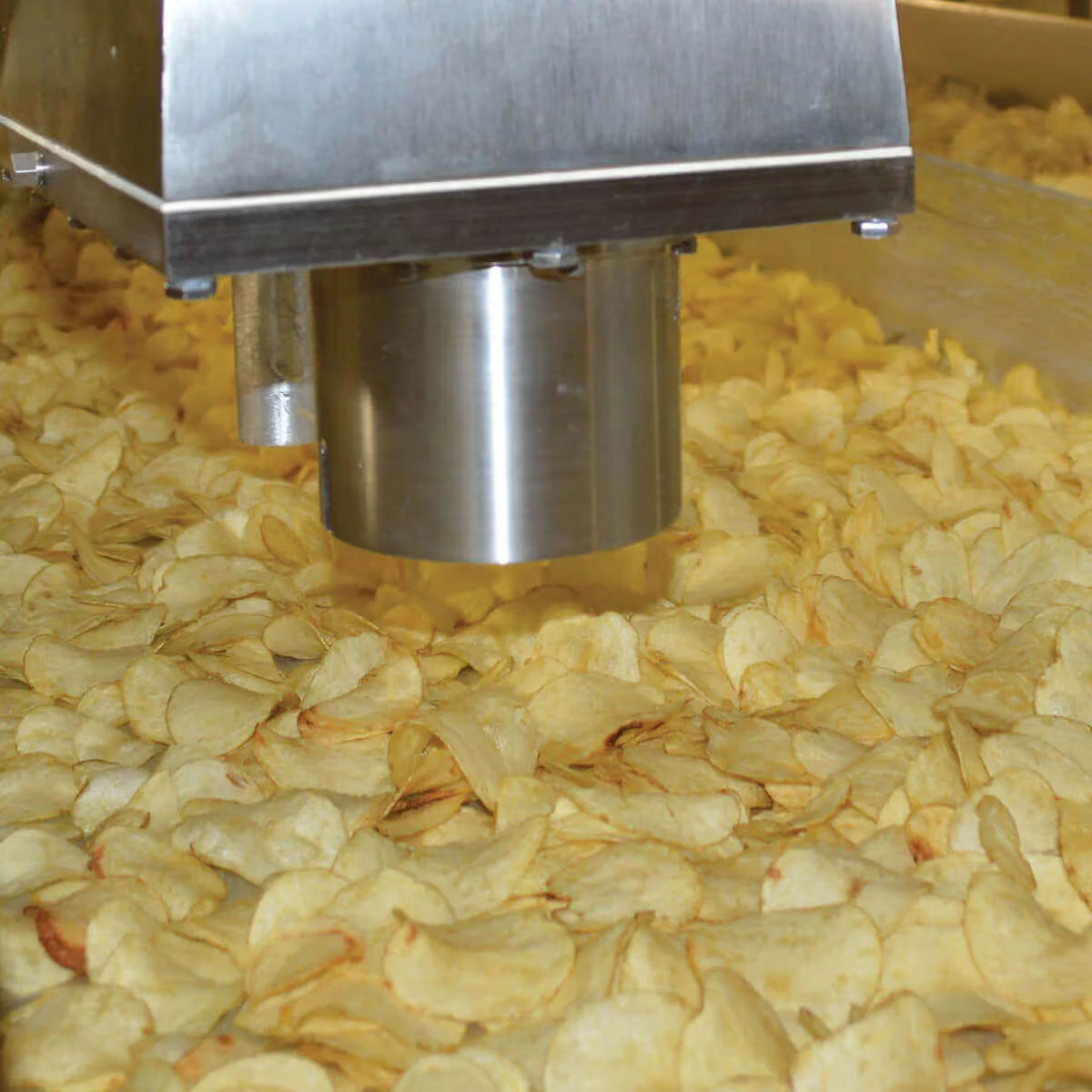
NIR spectroscopy can be used to determine the composition of ingredients in food products, ensuring that they meet quality standards.
Moisture Content Analysis
NIR is widely used to measure moisture content in food products. This is crucial for maintaining product quality and shelf life.
Fat and Oil Content Analysis
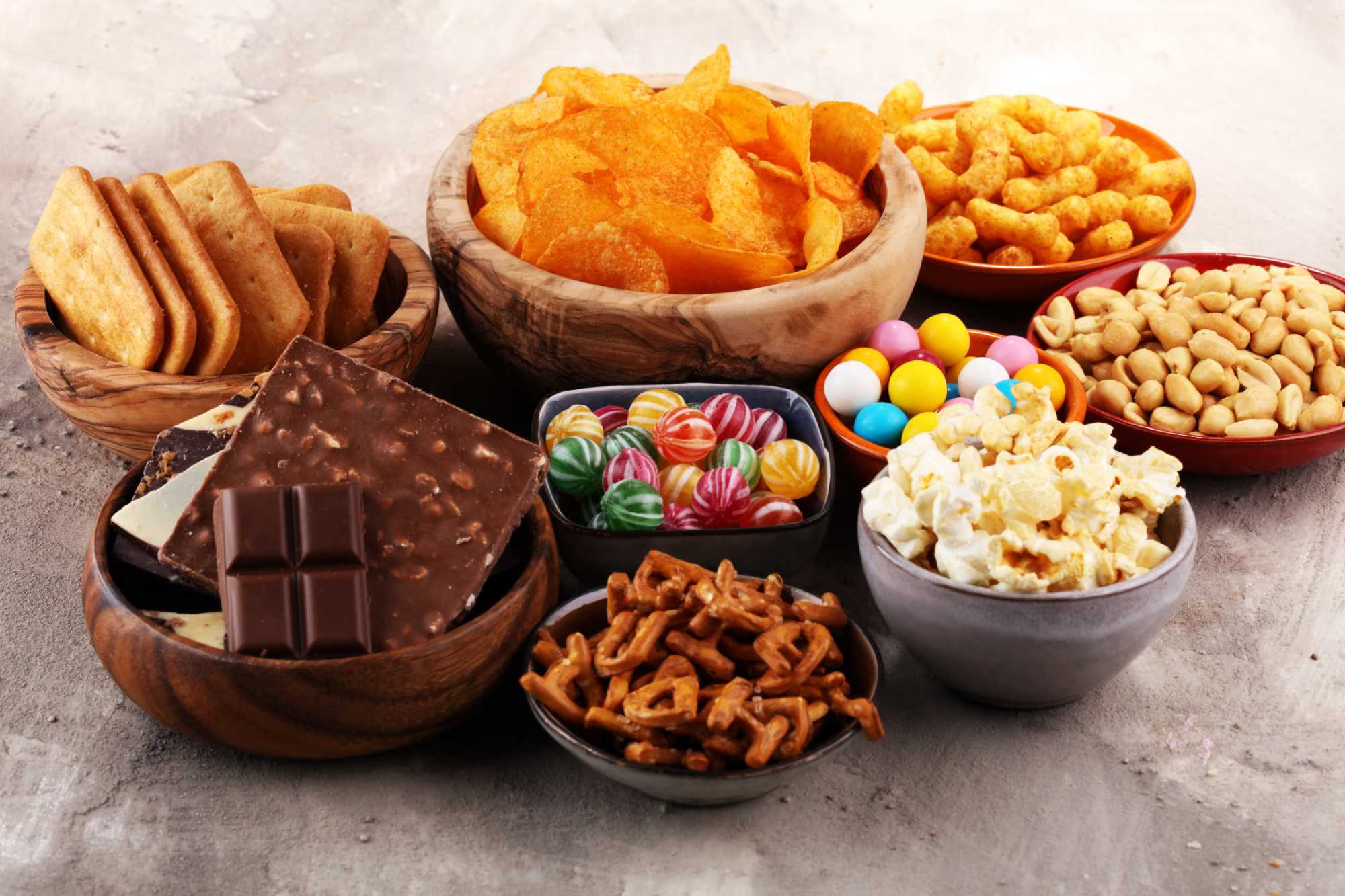
NIR can accurately measure the fat and oil content in food items, such as meat, dairy products, and snacks.
Protein Analysis
It is used to determine the protein content in various food products, aiding in quality control and nutritional labeling.
Rapid Analysis of Raw Materials
NIR allows for quick and non-destructive analysis of raw materials, helping manufacturers assess the quality of incoming ingredients.
Grain and Flour Analysis
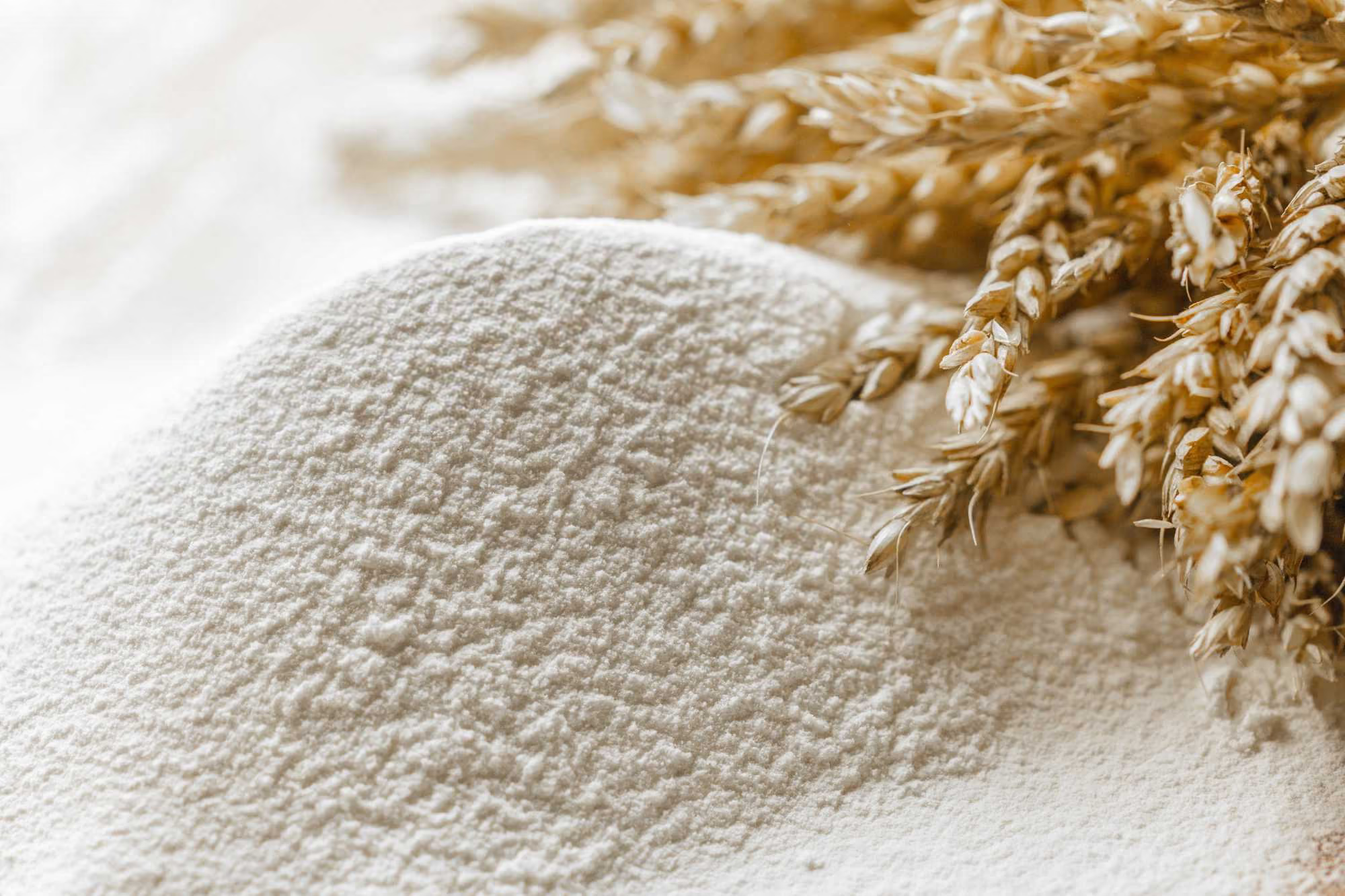
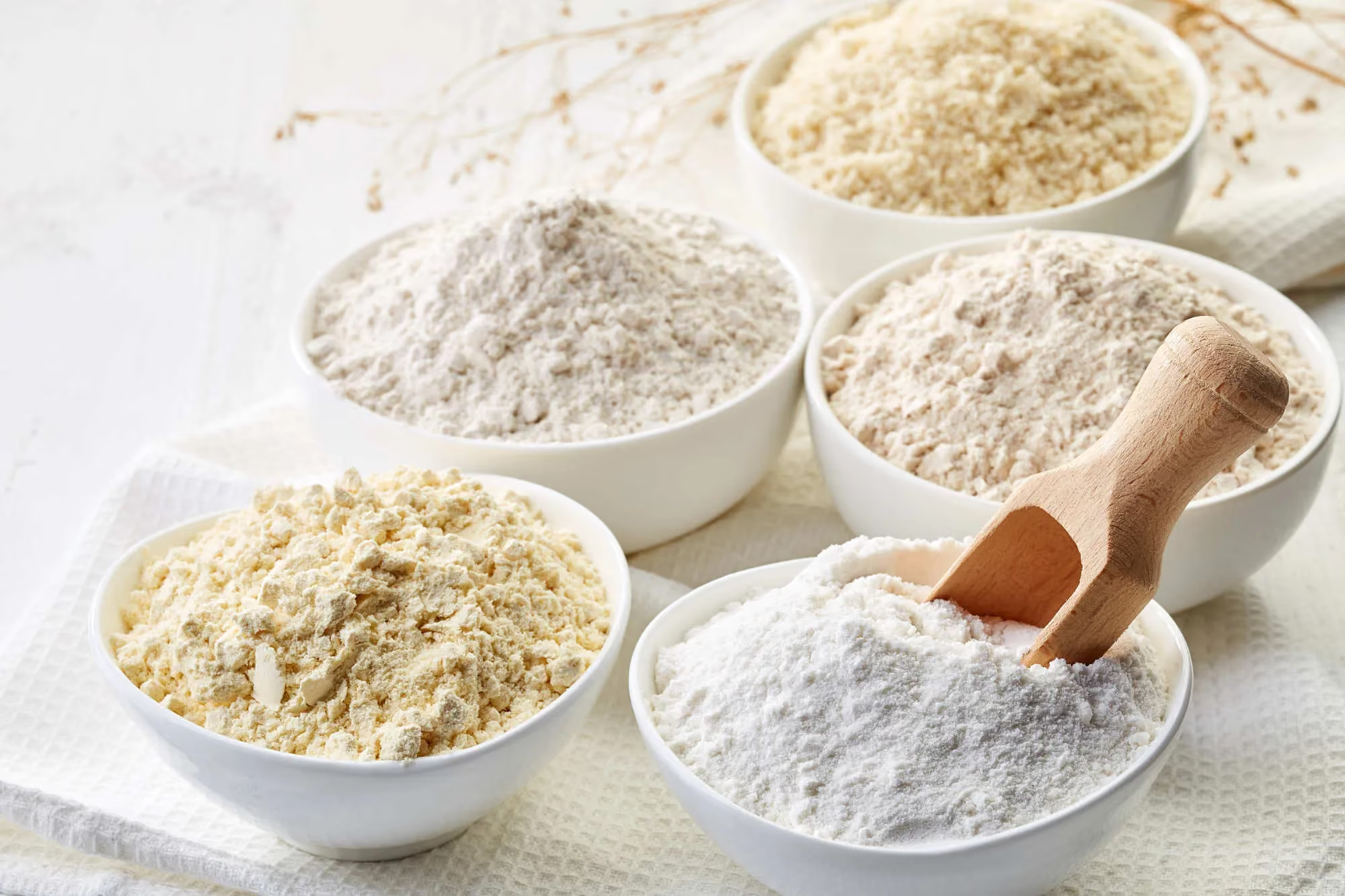
NIR spectroscopy is applied in the analysis of grains and flours to determine attributes like moisture content, protein content, and starch properties.
Dairy Industry Applications
NIR is extensively used in the dairy industry for analyzing parameters like fat, protein, lactose, and solids in milk and dairy products.
Traceability and Authentication
NIR can be employed for traceability and authentication of food products, helping to combat food fraud and ensure product integrity.
- Moisture Measurement
- Fat/Oil Content
- Protein Measurement
- Fiber Content
- Ash Analysis
- Salt Content
- pH Measurement
- Starch Analysis
- Sugar, Lactose
- Acidity
- Iodine Value
- Solids
- Gluten
- Dry Matter



NIR Applications for Feed, Forage, and Pet Food
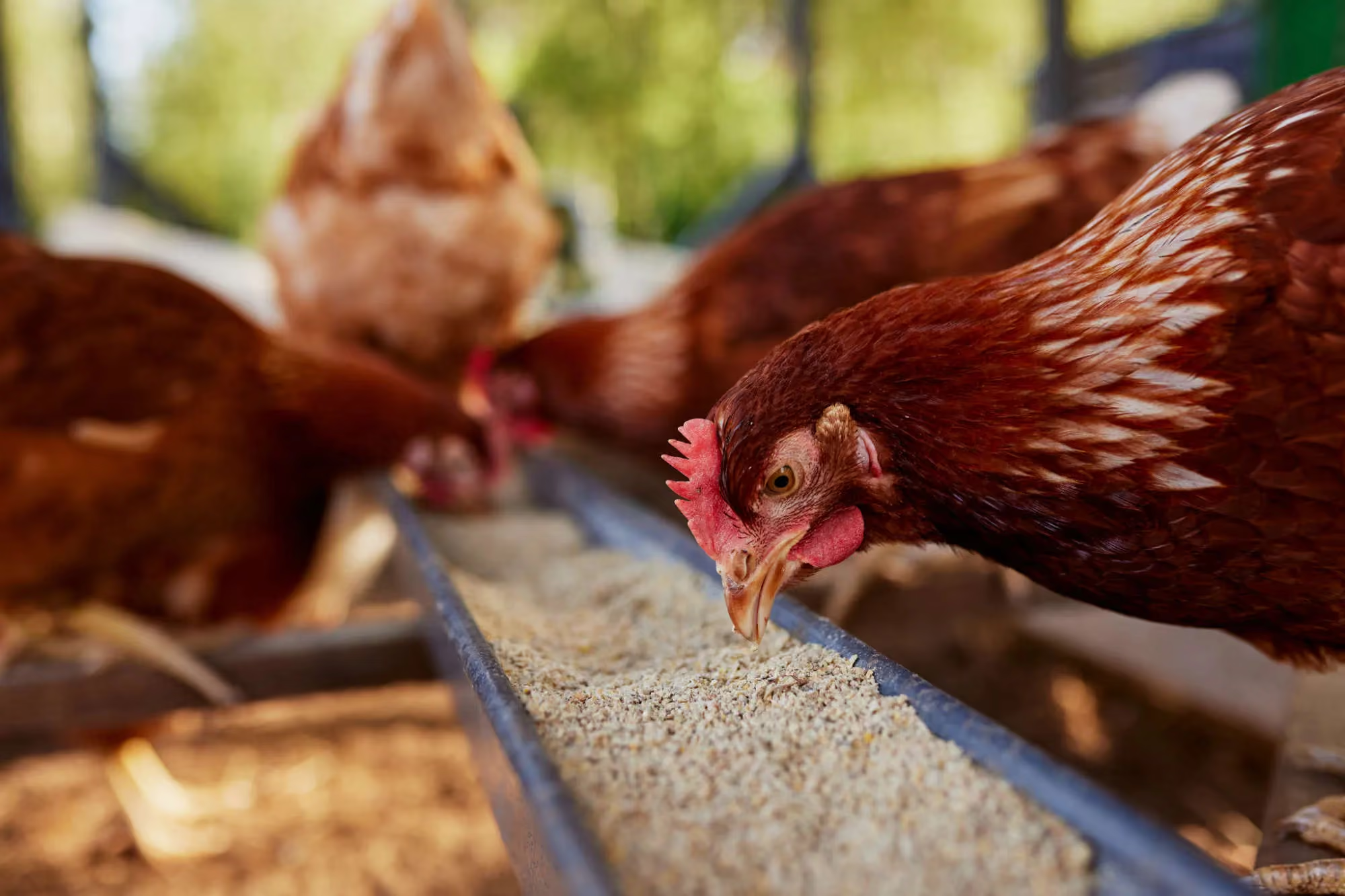
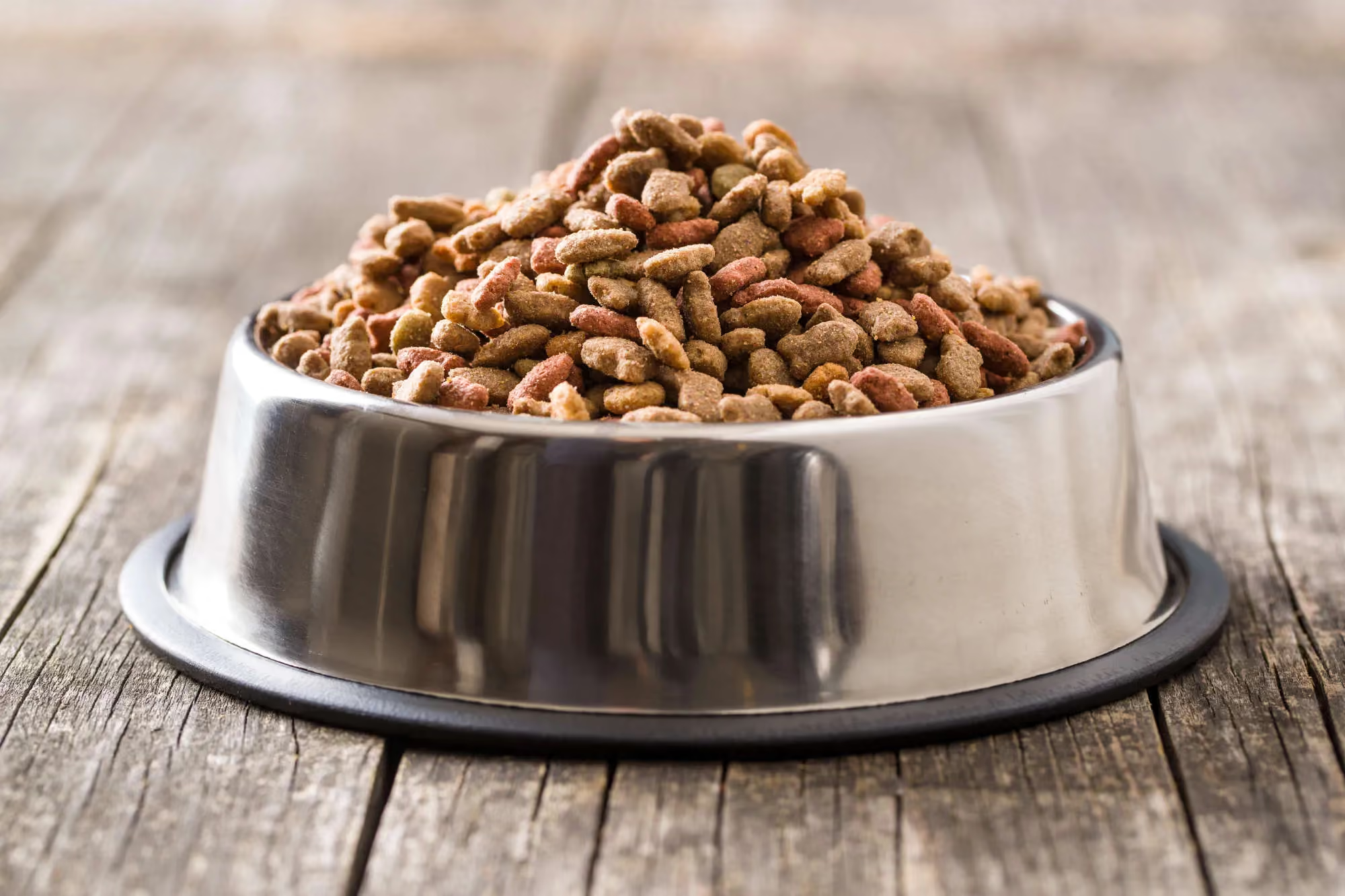
Near-Infrared (NIR) spectroscopy is widely applied in the feed, forage and pet food industries as a rapid and efficient way to assess its nutritional composition and quality. NIR technology provides the feed industry and the pet food industry with a powerful tool for quality control and comprehensive analysis of nutritional components, ensuring that products comply with regulations, and consistently deliver high-quality nutrition
NIR technology is a valuable tool in feed testing and dog food analysis. Here are some key applications:
Proximate Analysis
NIR spectroscopy is used for the rapid analysis of proximate components in feed, forage, and pet food, including moisture, protein, fat, fiber, and ash. This helps in determining the nutritional content of the feed.
Quality Control of Raw Materials
The technology is employed to assess the quality of raw materials used in feed production, ensuring consistency and adherence to nutritional specifications.
Nutrient Content Determination
NIR can assess the levels of essential nutrients such as amino acids, vitamins, and minerals in feed ingredients, allowing for precise formulation of balanced diets for pets and livestock.
Moisture Monitoring in Silage
NIR spectroscopy is employed for monitoring moisture levels in silage, aiding in the preservation process and preventing the growth of harmful microorganisms.
Digestibility Prediction
NIR can assist in predicting the digestibility of forage materials, providing valuable information for formulating diets that optimize nutrient utilization by animals.
Feed Processing Optimization
NIR is applied to monitor and optimize various stages of feed processing, including drying, pelleting, and extrusion, to enhance the overall quality of the feed.
Trace Element Analysis
The technology can be used for the analysis of trace elements in feed, ensuring that essential micronutrients are present in appropriate amounts for animal health.
Real-Time Process Monitoring
Online NIR spectroscopy enables real-time monitoring of feed production processes, facilitating rapid adjustments to ensure the desired nutritional content and quality.
- Moisture Measurement
- Fat/Oil Content
- Protein Measurement
- Fiber Content
- Fiber Digestibility
- Ash Content
- Starch Analysis
- NDF
- NCDG
- ADF
- D-Value
- Sugar
- pH
- Lactic
- VFA
- Ammonia