Get More Information
Faster Answers Across the Oilseed Value Chain
From Truck Intake to Finished Meal, Value at Every Step
QA / Quality Managers: Standardize testing across intake, processing, and shipping, complement your existing reference methods with rapid results, and hold one consistent compositional record for the whole operation.
Grain Buyers / Intake Operators: Grade incoming canola, soy, and sunflower on oil and moisture in seconds, settle contracts fairly, and keep trucks moving through the pit.
Crush / Extraction Operators: Monitor oil content and moisture going into and coming out of the press or extractor to protect yield and confirm residual oil in the meal.
Process / Production Engineers: Use real-time NIR data to tighten conditioning and drying, cut variability, and improve first-pass yield.
Plant / Operations Managers: Boost throughput, cut cost per test, reduce waste and rework, and protect margin by holding product to target composition.
Storage / Drying Operators: Track moisture before binning to prevent spoilage and heating, and dry only as much as you need.
R&D / Product Development Scientists: Shorten iteration cycles when evaluating new varieties or blends, with results in seconds instead of a lab turnaround.

What SpectraStar™ Measures
The Numbers Behind Every Oilseed Spec
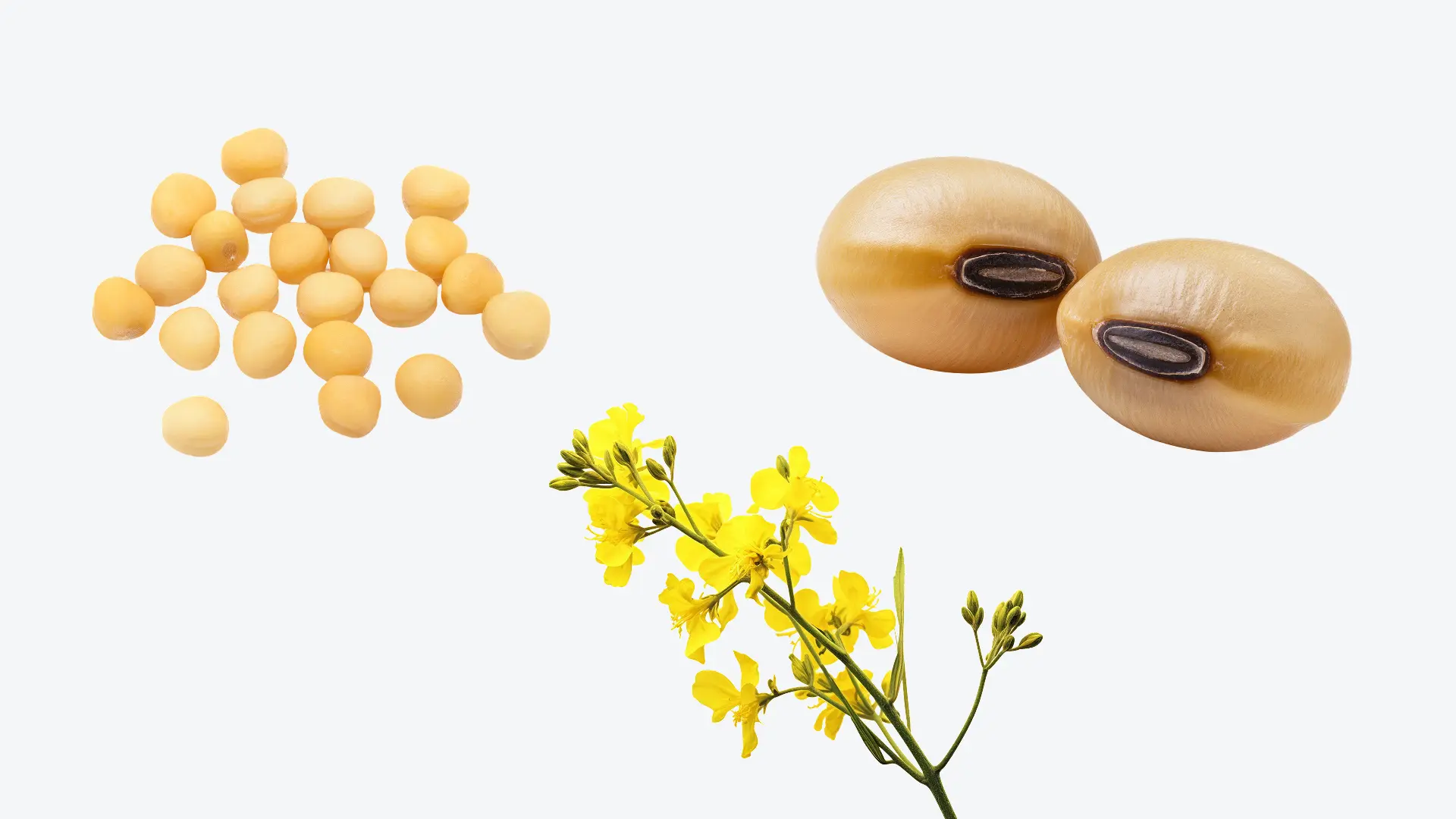
Moisture, oil, and protein across whole and ground oilseeds and their byproducts, with ready-to-use calibrations built and maintained by KPM.
Ready-to-Use Oilseed Calibrations:
- Canola / rapeseed (moisture, protein, oil)
- Soybeans (ground and whole, incl. amino-acid models; moisture, protein, fat/oil)
- Sunflower seeds (ground and unground; moisture, protein, oil)
- Flax seed (unground)
- Mustard seed (unground)
- Sesame seed
- Shea kernels
- Olives (crushed), olive oil, olive pomace
Measured Constituents Include:
- Moisture
- Oil
- Fat
- Protein (as-is and dry matter)
Additional oilseed calibrations are available, and custom calibrations can be built with UCal™ 4. Talk to our experts about your unique products and constituents.
Proven NIR, Built for the Lab and the Line
The same entry-level analyzer runs on the QC bench and out at the receiving pit, one platform, one set of results.
- Fast: results in about 30 seconds on a 17" touchscreen in a couple of touches.
- Simple: minimal sample prep, intuitive graphical software, and operators trained in 15 minutes.
- Safe: no solvents or hazardous chemicals to buy, store, or dispose of.
- Sealed & fanless: a sealed, powder-coated aluminum case with no venting or fan, at home in a clean lab and rugged enough for at-line use.
- Connected: UScan™ software with single-sample, history, and SPC chart views, LIMS export, and cloud access via KPMLink®.
Why Choose SpectraStar™?
- NIR over wet chemistry: seconds instead of hours, no solvent extraction, operator-independent results you can act on at intake.
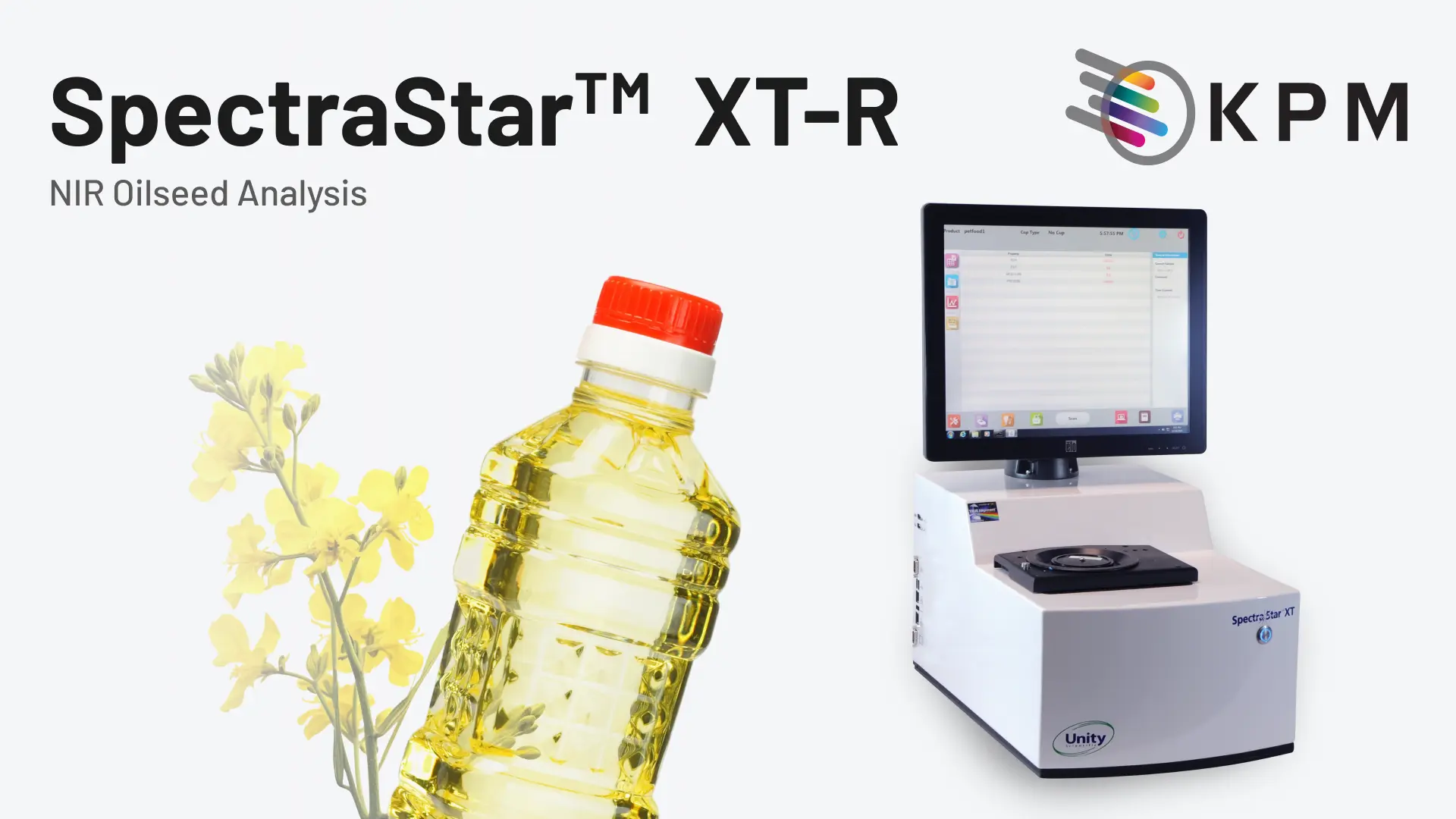
- Exceptional value: the entry-level model in the SpectraStar™ XT series, built for process-control monitoring of moisture, oil, and protein.
- Open calibration approach: a large library of ready-to-use calibrations plus UCal™ 4 to build or customize your own models.
- Ultra-cooled extended-range detector: high-performance InGaAs detector across a 1400 to 2600 nm range for stable oil, moisture, and protein measurement.
- Sealed, fanless design: no venting or fan, for dust resistance and rugged at-line use.
- ISO 12099 aligned: meets NIR guidelines for animal feedstuffs, cereals, and milled products.
Specifications

Related Information
Users can select from several pre-programmed calibrations and calibration bundles, ranging from raw ingredients to complex, processed compositions. Calibrations are regularly updated and can be customized for a wide variety of sample types and constituents.
No, if you have a primary reference method, you can calibrate your unit quickly and easily.
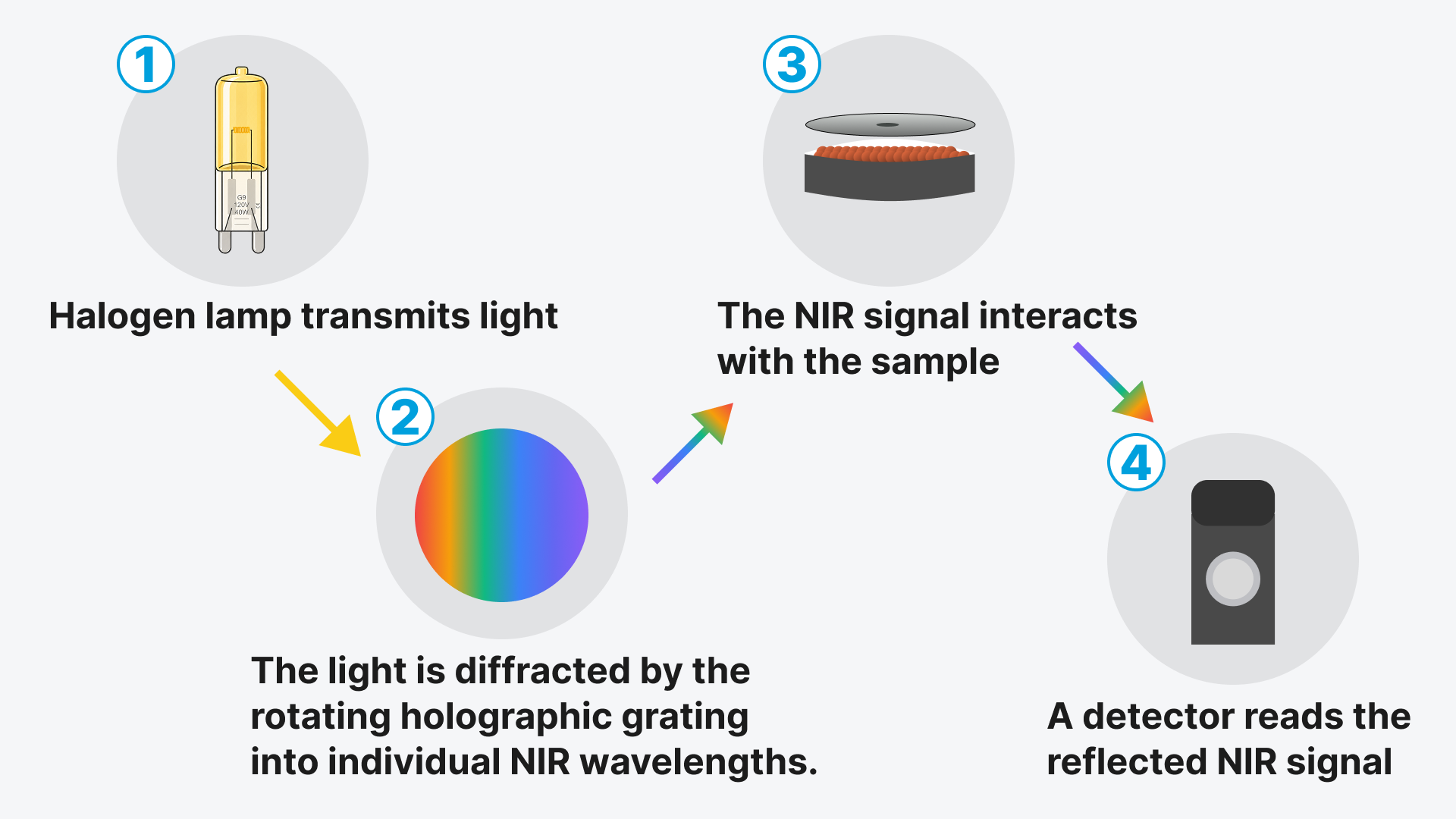
NIR stands for Near Infrared, which is a non-destructive analytical technique that uses light to determine the composition of food products. NIR analyzers use this technology to analyze food products for various properties such as moisture, protein, and fat content.
NIR analyzers are nondestructive sensors that monitor moisture and fat inline or at-line during production. They offer several benefits to food manufacturers, including improved process control, consistent product quality, cost savings, and better compliance with regulations.

.avif)