Back to Flour: Understanding the Role of Starch Gelatinization in Baked Products
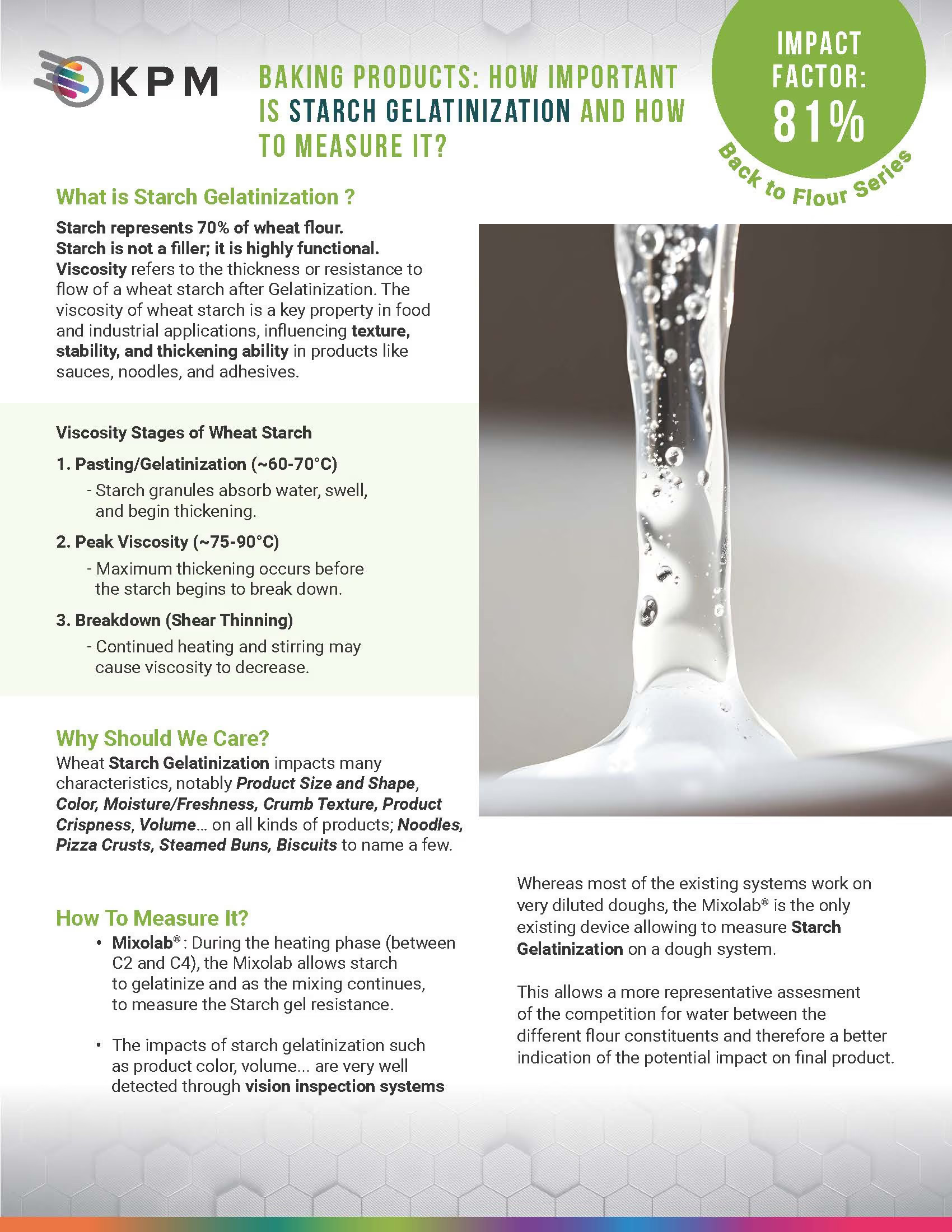
Starch gelatinization is a fundamental transformation that occurs during baking when starch granules absorb water, swell, and thicken as temperature rises. Wheat flour contains about 70% starch, making this process a major contributor to the behavior of dough and the quality of finished products. The viscosity developed during gelatinization influences the structure and stability of many baked goods.
Starch gelatinization affects a wide range of product characteristics. It contributes to attributes such as size and shape, color, moisture and freshness, crumb texture, crispness, and volume across many types of products including noodles, pizza crusts, steamed buns, and biscuits. The resource also explains the different viscosity stages observed during heating, from the initial gelatinization phase to peak viscosity and subsequent breakdown.
Different analytical approaches can be used to observe this transformation. The Mixolab®, for example, measures starch behavior directly in a dough system during heating and mixing, providing a more representative evaluation of how flour components compete for water and influence final product characteristics.
This document is part of the Back to Flour Series, an educational program that connects flour science to bakery product characteristics. Learn more here.