Fast, Frozen, & Safe: AI Inspection Takes Over the IQF Inspection Line

This article originally appeared in an issue of Food & Drink Manufacturing UK. Visit this link to see the article in their digital edition.
Food product inspection is undergoing a significant technological shift, benefiting companies that produce Individually Quick Frozen (IQF) foods. Because IQF foods vary significantly in size, shape and surface characteristics, quality inspection and foreign material detection can be especially challenging.
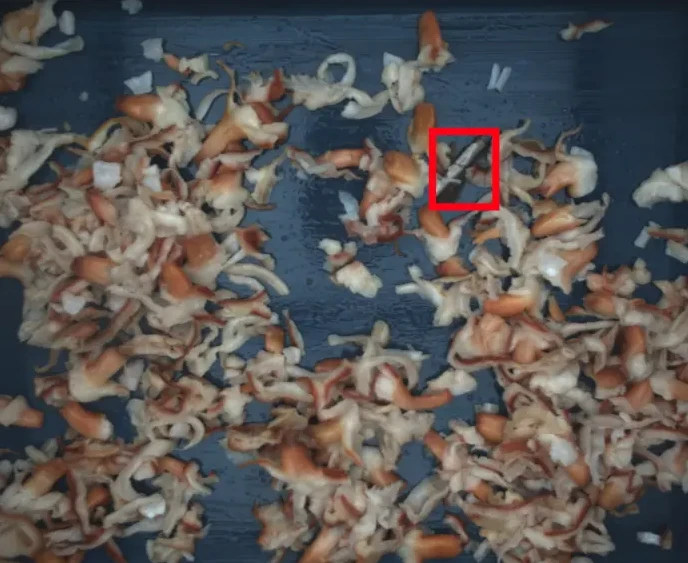
Objects such as field debris (stones, stems, leaves, and pits), or packaging materials (plastic, paper, wood), and equipment wear fragments can easily enter the product stream. With IQF lines operating at high throughputs, relying on manual inspection is often impractical and ineffective.
AI Addresses IQF Inspection Gaps
To overcome these quality assurance and food safety challenges, many IQF manufacturers are adopting AI-powered inspection systems. These solutions combine machine learning, advanced imaging sensors, and specialized lighting to detect defects, contaminants, and quality deviations in real time- far faster and more consistently than human inspectors.
Unlike traditional sorting systems, which rely on fixed color, shape, or size thresholds and often require frequent recalibration, AI-powered systems are trained using images of real products. This enables them to learn what belongs in the process stream and what does not. In addition to identifying foreign materials, these systems can grade products based on color, size, shape, and surface defects while operating at full line speeds with minimal human intervention.
AI-based vision is not intended to replace X-ray or metal detection technologies. Instead, it complements traditional inspection methods by providing an additional layer of protection, particularly for detecting low-density contaminants that may be difficult for other technologies to identify.
AI inspection systems are trained on specific food products and processes to distinguish foreign materials from natural product characteristics.
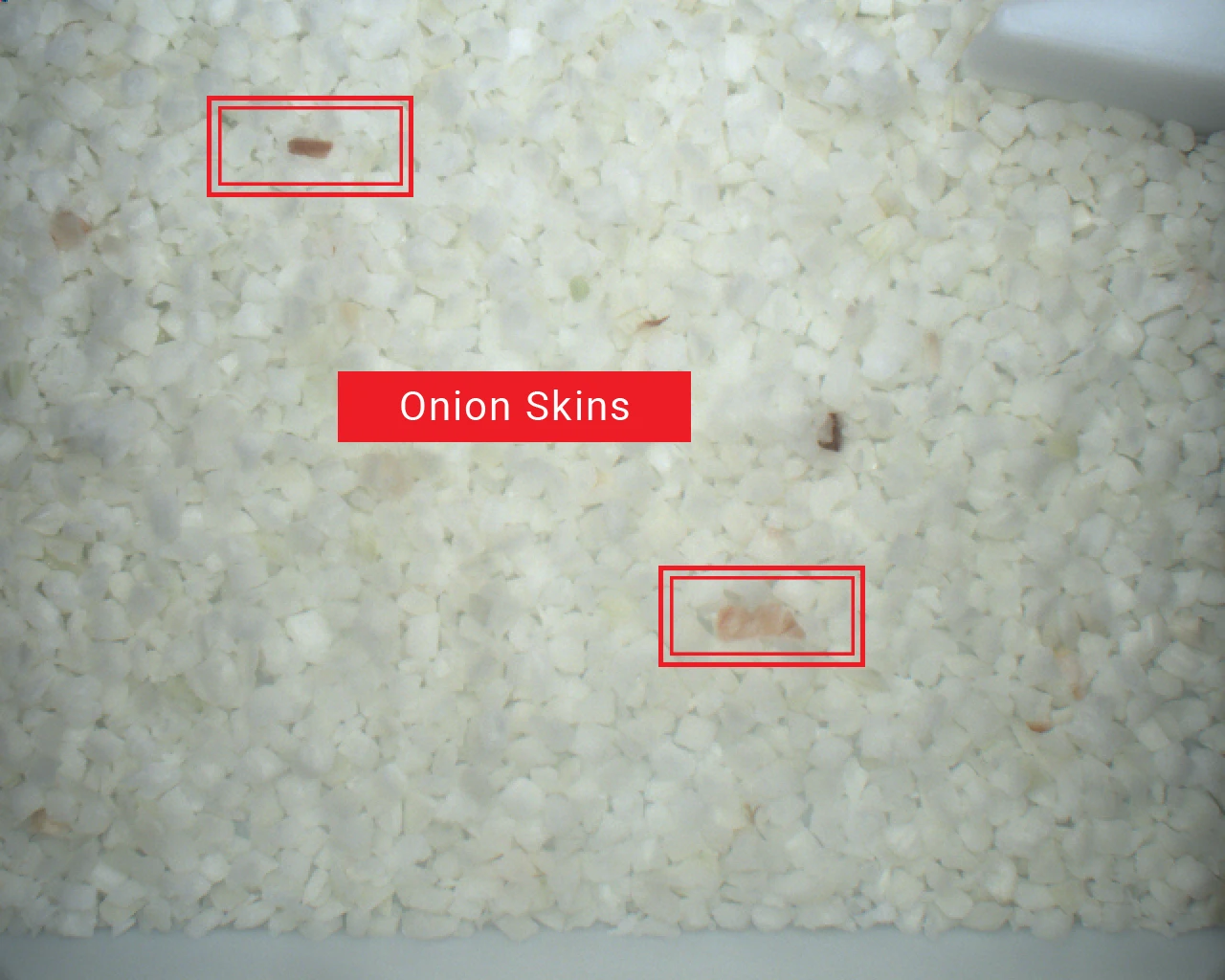
AI’s Standout Advantage is Adaptability
With support from an AI trainer, inspection systems can be taught to find new contaminants, recognize quality variations caused by seasonal changes, and learn new product types as companies expand their product portfolios.
These systems also integrate with Manufacturing Execution systems (MES), Enterprise Resource Planning (ERP) platforms, and cloud-based analytics tools to provide valuable operational insights while creating digital audit trails that support traceability and regulatory compliance.
Every scan, classification, and rejection contributes to a growing dataset that can reveal trends by shift, supplier, or production run. Manufacturers can correlate raw material quality with defect rates, identify process inefficiencies, and even predict potential issues before they reach consumers. This capability is helping the industry shift from reactive quality management to proactive food safety and quality assurance.
The Future of IQF Production is Intelligent
AI-powered vision inspection helps alleviate this burden by automating repetitive inspection tasks, improving detection accuracy, and reducing the risk of costly quality incidents and recalls. As technology continues to evolve, AI is poised to become a foundational component of intelligent IQF production, enabling manufacturers to improve product quality, strengthen food safety programs, and operate more efficiently than ever before.