Back to Flour Understanding What Impacts Springiness of Baked Products
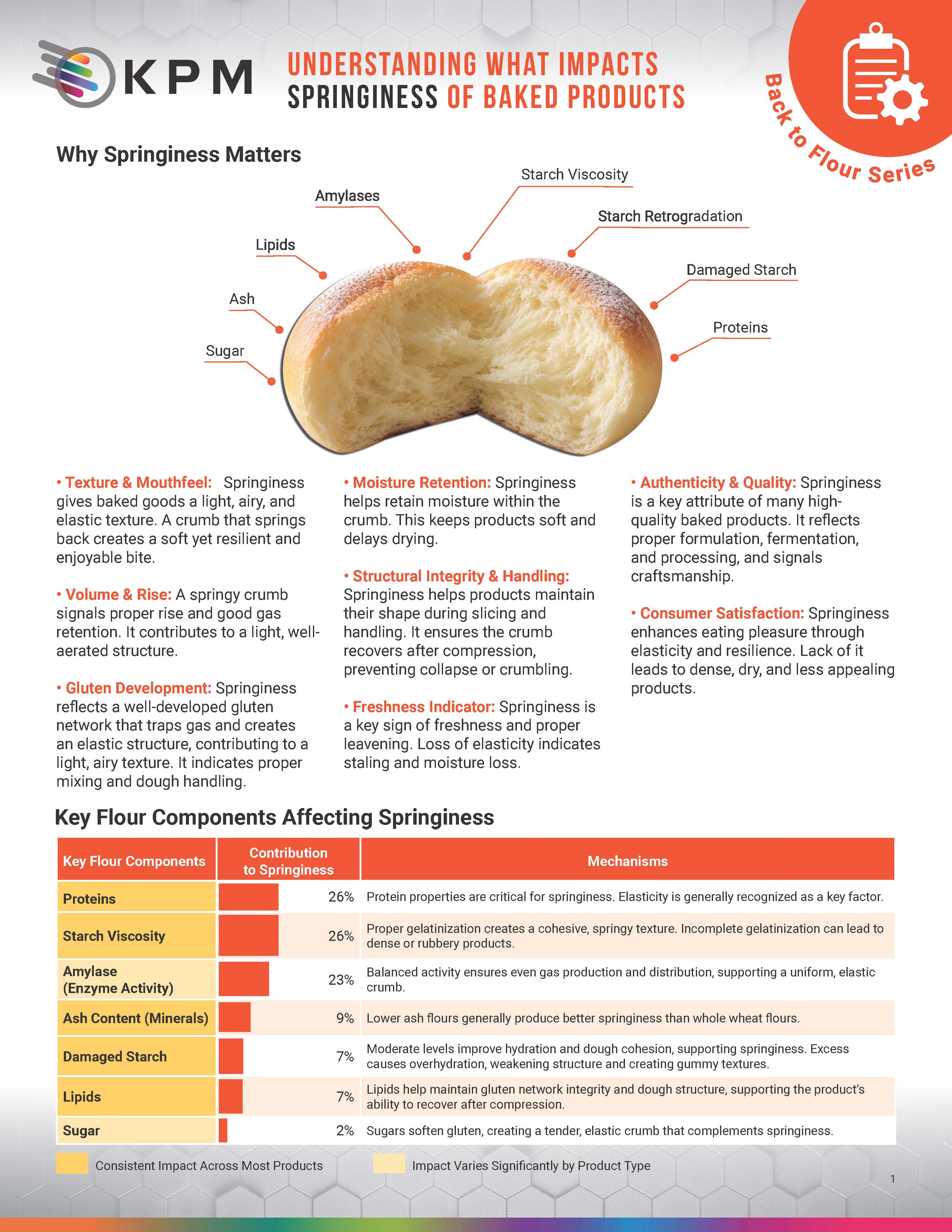
Springiness is a key characteristic of many baked products, contributing to a light, airy, and elastic texture. A crumb that springs back after compression creates a soft yet resilient bite and is often associated with freshness and proper leavening. Springiness also supports structural integrity during slicing and handling, helping products maintain their shape and recover after pressure is applied. In products such as pan bread, baguettes, hamburger buns, sponge cakes, and steamed buns, springiness plays an important role in texture perception and overall product quality.
Several flour components contribute to springiness and influence how elastic and cohesive the final structure becomes. Proteins and starch viscosity show the strongest contribution, while amylase activity also has a major influence. Ash content, damaged starch, lipids, and sugars contribute at lower levels depending on the product type. The document also highlights how the impact of these components can vary significantly across different bakery applications.
By outlining these contributions, this resource helps clarify how flour composition supports springiness and product consistency across bakery applications.
This document is part of the Back to Flour Series, an educational program that connects flour science to bakery product characteristics. Learn more here.