Vuelta a la harina: comprenda qué influye en el apelmazamiento de los productos horneados
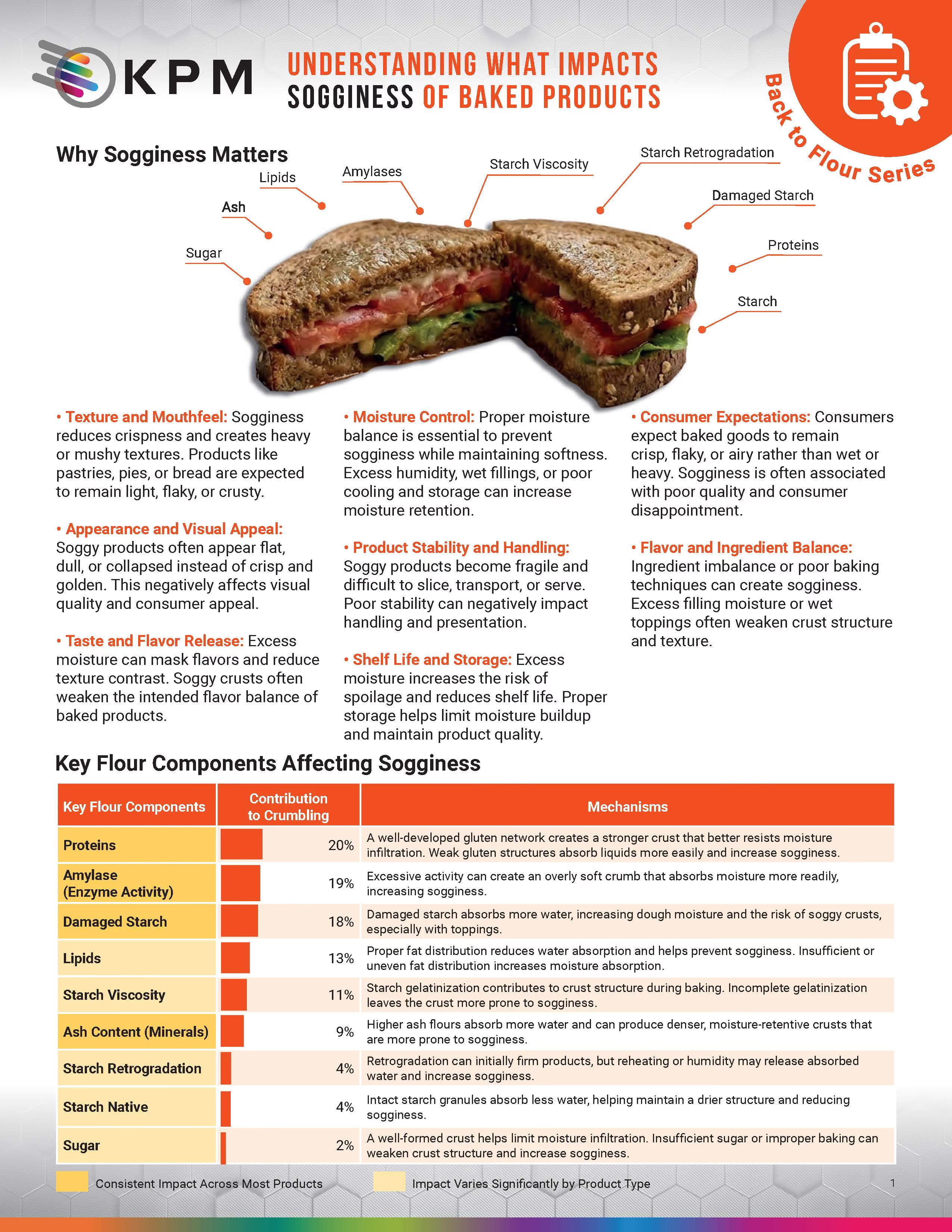
El apelmazamiento es, en muchos sentidos, lo opuesto a lo que los consumidores buscan en un producto horneado. Donde esperan crujido, hojaldrado o una textura ligera y aireada, el apelmazamiento aporta pesadez, una sensación pastosa en boca y un aspecto plano y apagado en lugar de un acabado crujiente y dorado. Sus consecuencias van mucho más allá de la textura: el exceso de humedad puede enmascarar sabores, debilitar la corteza y hacer que los productos sean frágiles, más difíciles de cortar o transportar y que se estropeen antes. Los rellenos húmedos, la humedad ambiental y un enfriamiento o almacenamiento inadecuados son los culpables habituales, por lo que el control de la humedad es fundamental para evitarlo.
En cuanto a la harina, las proteínas son las protagonistas: una red de gluten bien desarrollada crea una corteza que resiste la infiltración de humedad. Le siguen la actividad de la amilasa y el almidón dañado, ya que ambos pueden dejar la miga más blanda y absorbente. Los lípidos, la viscosidad del almidón y el contenido de cenizas determinan la facilidad con la que se absorbe el agua, mientras que la retrogradación del almidón, el almidón nativo y el azúcar contribuyen de forma más modesta. Como muestra la segunda tabla, el peso de cada componente varía considerablemente según el producto.
Este documento forma parte de la serie de vuelta a la harina, un programa educativo que conecta la ciencia de la harina con las características de los productos de panadería. Más información aquí.