Back to Flour: Understanding What Impacts Softness of Baked Products
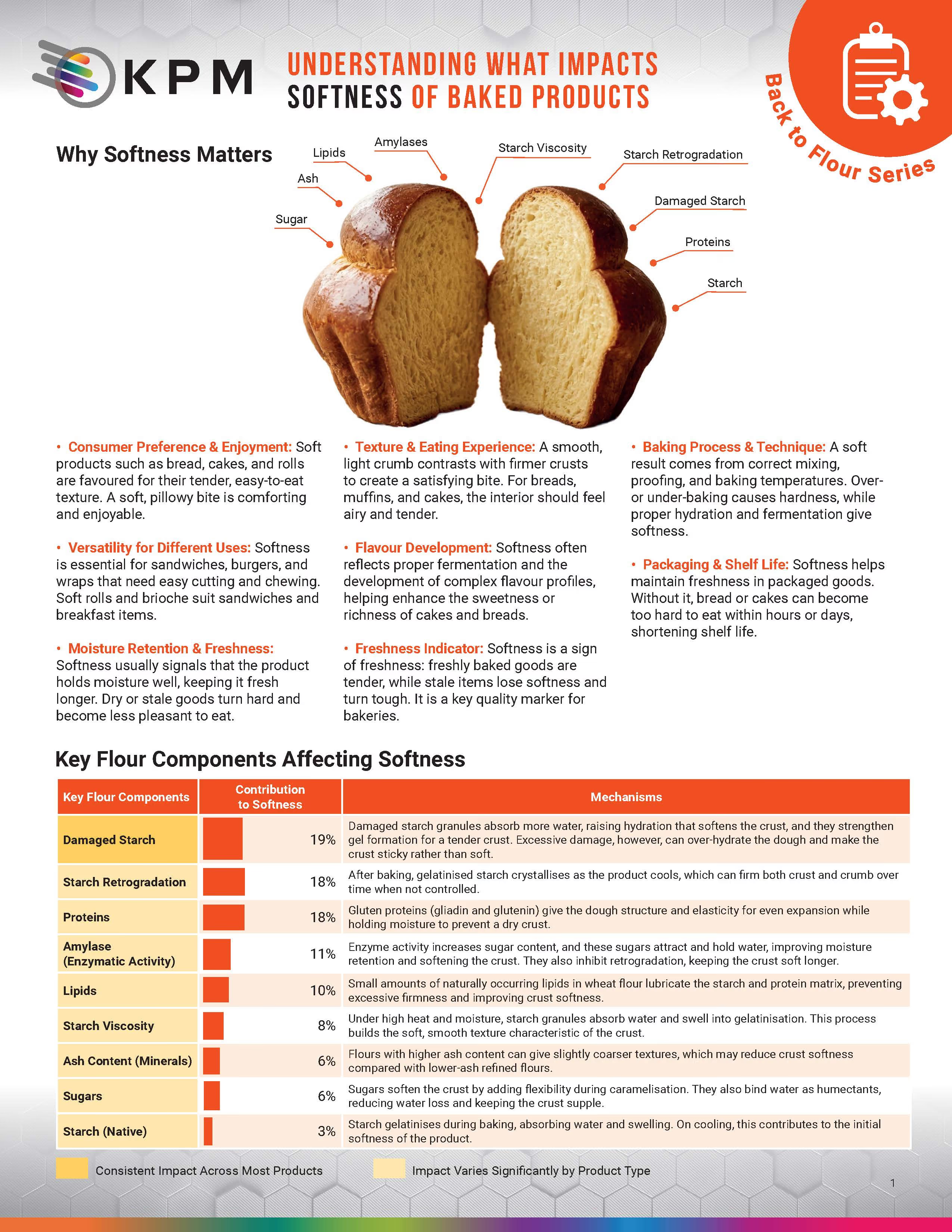
Softness is one of the qualities consumers notice first, and value most, in breads, cakes, and rolls. That tender, pillowy bite makes a product comforting and easy to eat, but it signals more than pleasure alone. A soft crumb usually means the product is holding moisture well and therefore staying fresh, which is why softness so often works as a reliable freshness indicator: as goods stale, they turn hard and less appealing. Reaching that result depends on getting the process right, since correct mixing, proofing, hydration, and baking temperatures all shape the outcome, and proper packaging then helps preserve it through shelf life.
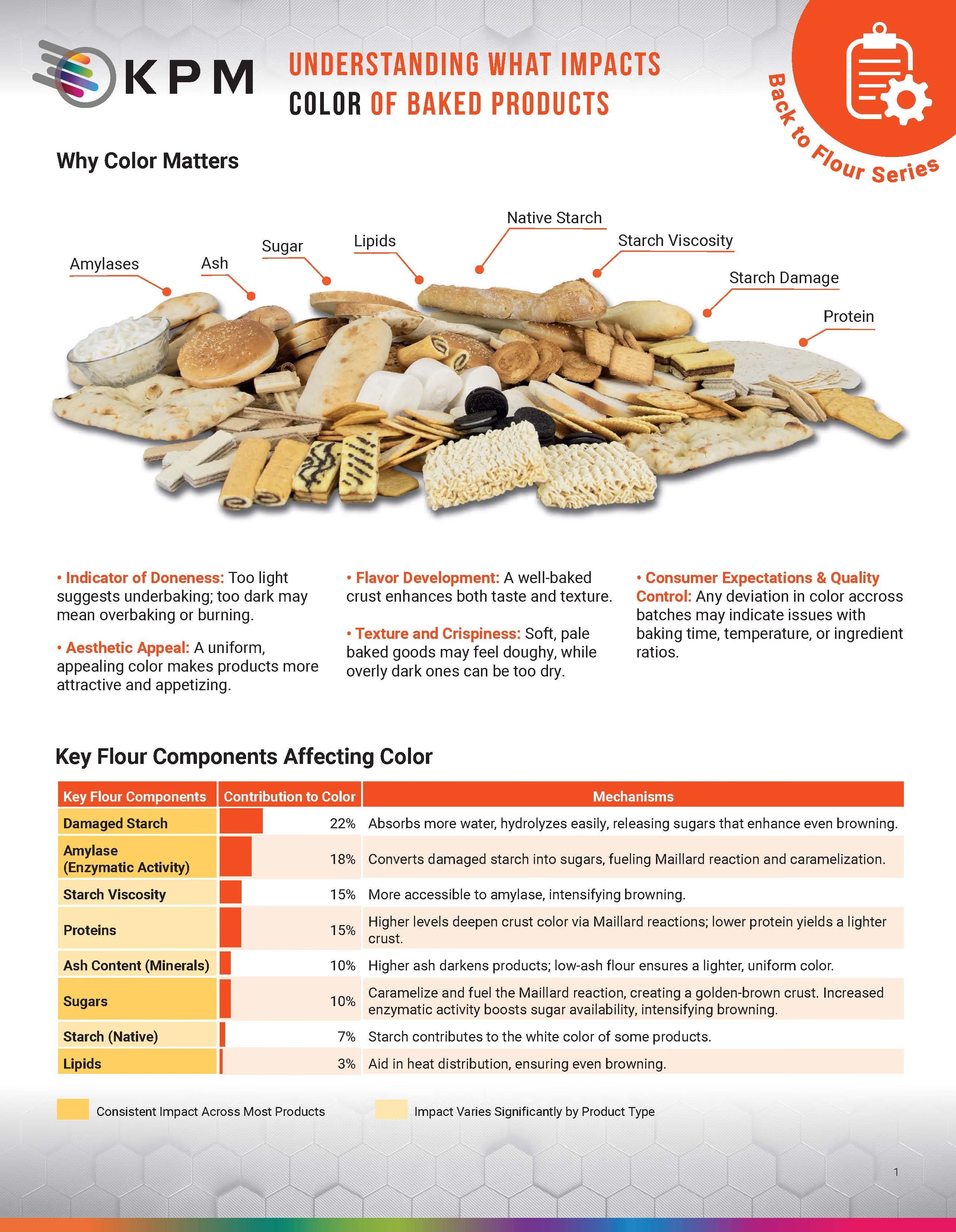
Behind the texture lies flour composition. Damaged starch weighs most heavily, raising hydration to soften the crust and strengthen gel formation. Starch retrogradation and proteins follow closely, the former firming crust and crumb as the product cools, the latter building structure while holding moisture in place. Amylase activity and lipids each help keep the crust supple, whether by retaining water or lubricating the starch and protein matrix, while starch viscosity, ash content, sugars, and native starch complete the picture. As the second table makes clear, these contributions shift markedly from one product to another.
This document is part of the Back to Flour Series, an educational program that connects flour science to bakery product characteristics. Learn more here.