Back to Flour: Inside Texture - The Role of Flour Components
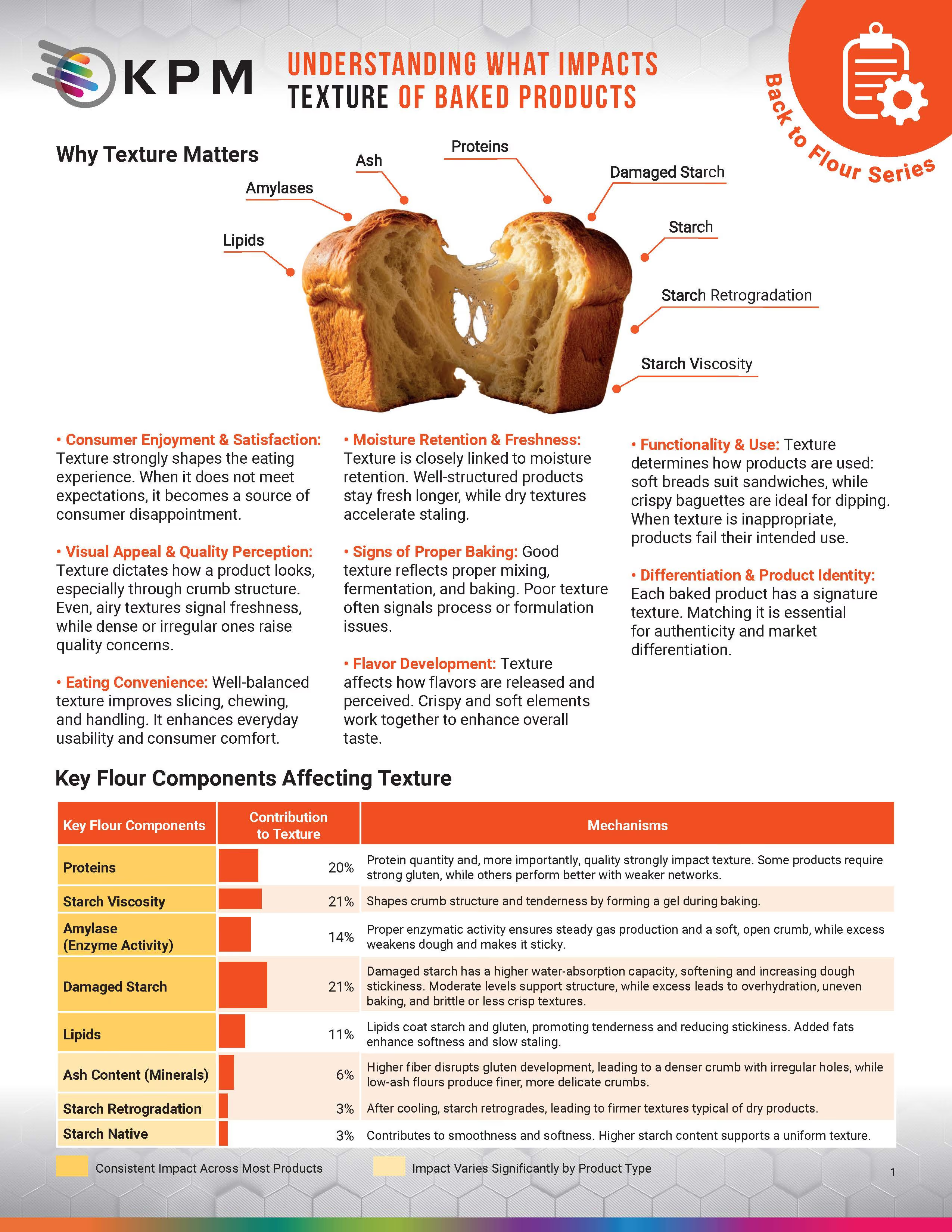
Texture is a central characteristic of baked products and directly shapes consumer perception and product performance. It influences eating experience, visual appearance through crumb structure, ease of slicing and handling, and freshness. Texture also reflects proper mixing, fermentation, and baking conditions, while poor texture often signals formulation or process issues. Each baked product has its own signature texture, making it a key element of product identity and intended use.
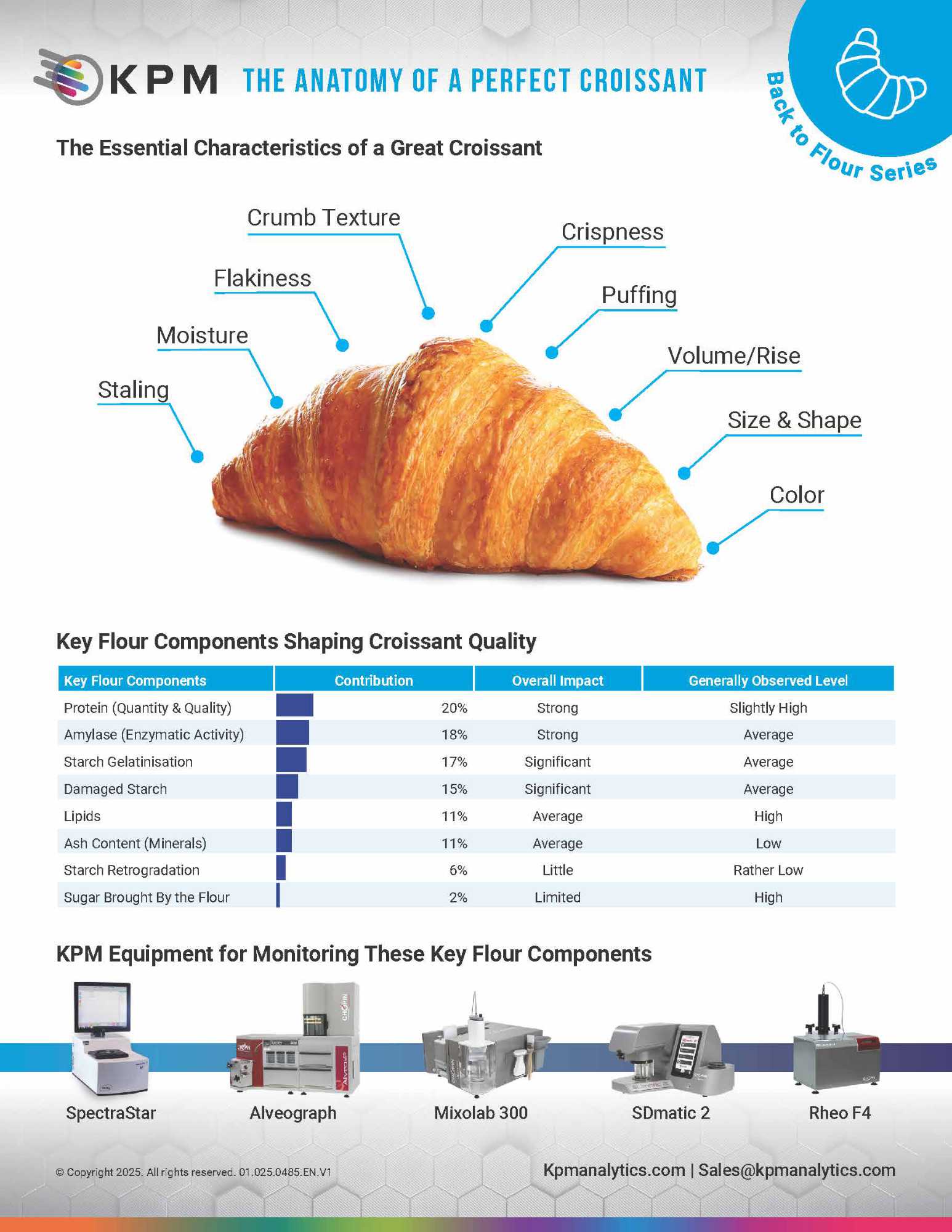
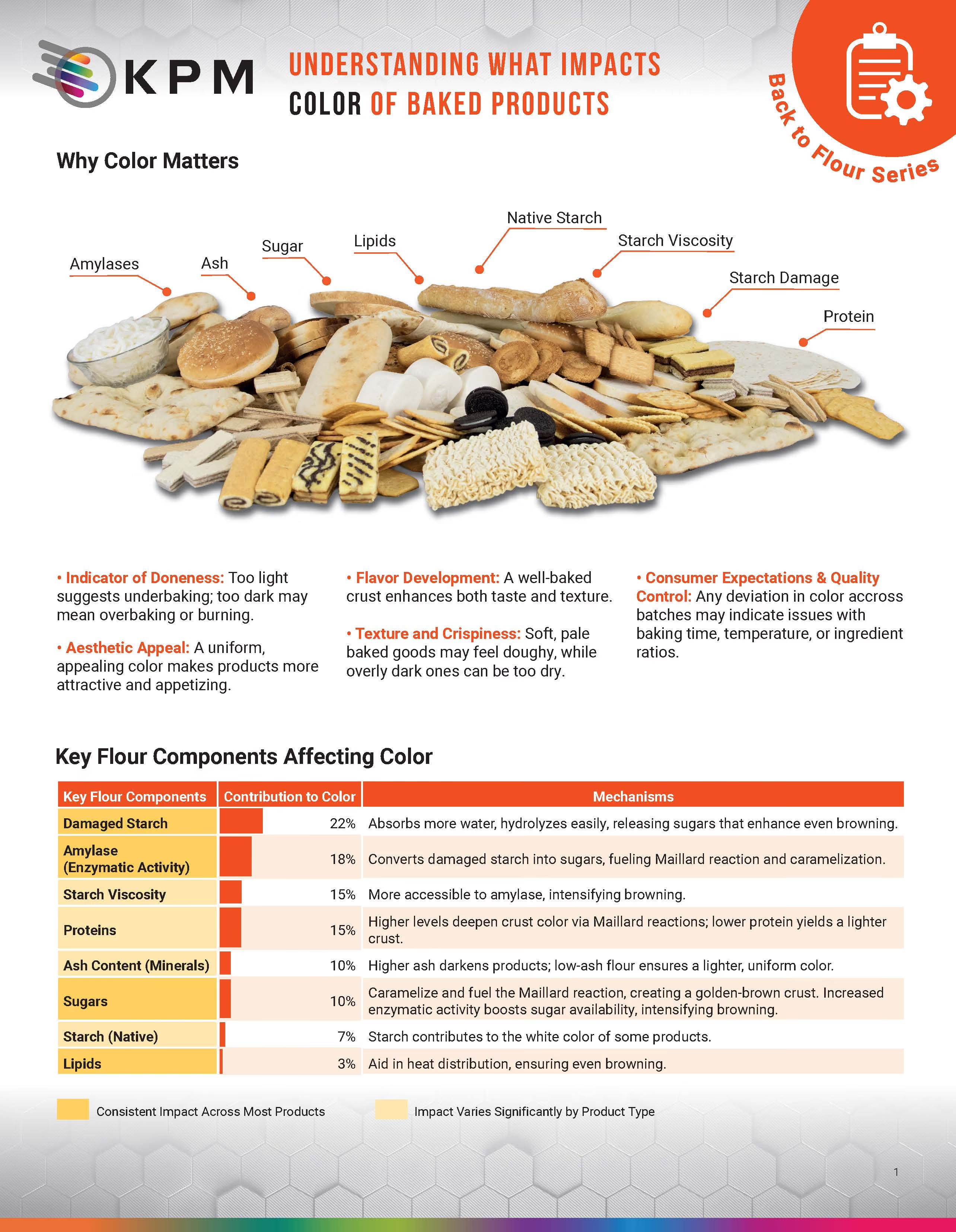
This document outlines the flour components that contribute to texture and their relative importance. Proteins and starch viscosity show a strong contribution, shaping structure and tenderness. Damaged starch and enzymatic activity also have a significant impact, while lipids and ash content contribute to texture balance. Starch retrogradation and native starch play a more limited but measurable role, particularly after cooling and during storage. The document also illustrates how the impact of these components can vary depending on the type of baked product.
By presenting these contributions, the resource clarifies how flour composition underpins texture across a wide range of bakery applications.