La Toque Angevine, an LDC Subsidiary, Solves Production Disruptions and Gains Dough Control with Rheo F4
A major fresh pizza producer answers a common production problem with data-driven insights on their dough proofing process.
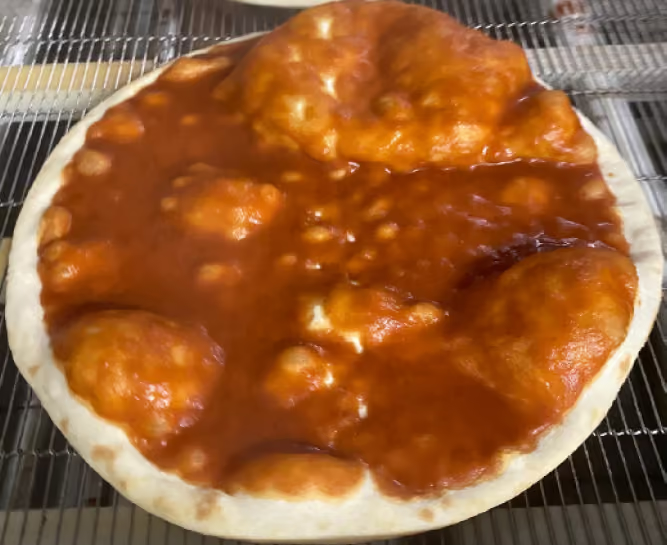
For La Toque Angevine, a French manufacturer of fresh pizzas for the mass retail market and a subsidiary of the food group Lambert Dodard Chancereul (LDC), product consistency is a key requirement for its customers. Their production process is highly mechanized, with several automated steps working together in strict sequence to maximize efficiency and throughput. However, the company would frequently experience persistent dough blistering on its production line.
Dough blistering is not just a cosmetic issue for LDC. If the dough blisters (air-filled bubbles on the dough surface) are too large, they can interact with automated ingredient administering machines, such as an ingredient slicer positioned above the pizza. This production issue frequently leads to scattered ingredients or product jams. Each jam risks microbial contamination, which requires the LDC team to halt the line, perform a full sanitation procedure, and then restart production.
The resulting downtime, waste, and food safety risks made solving blistering urgent.
Identifying the True Root Cause of Dough Blisters
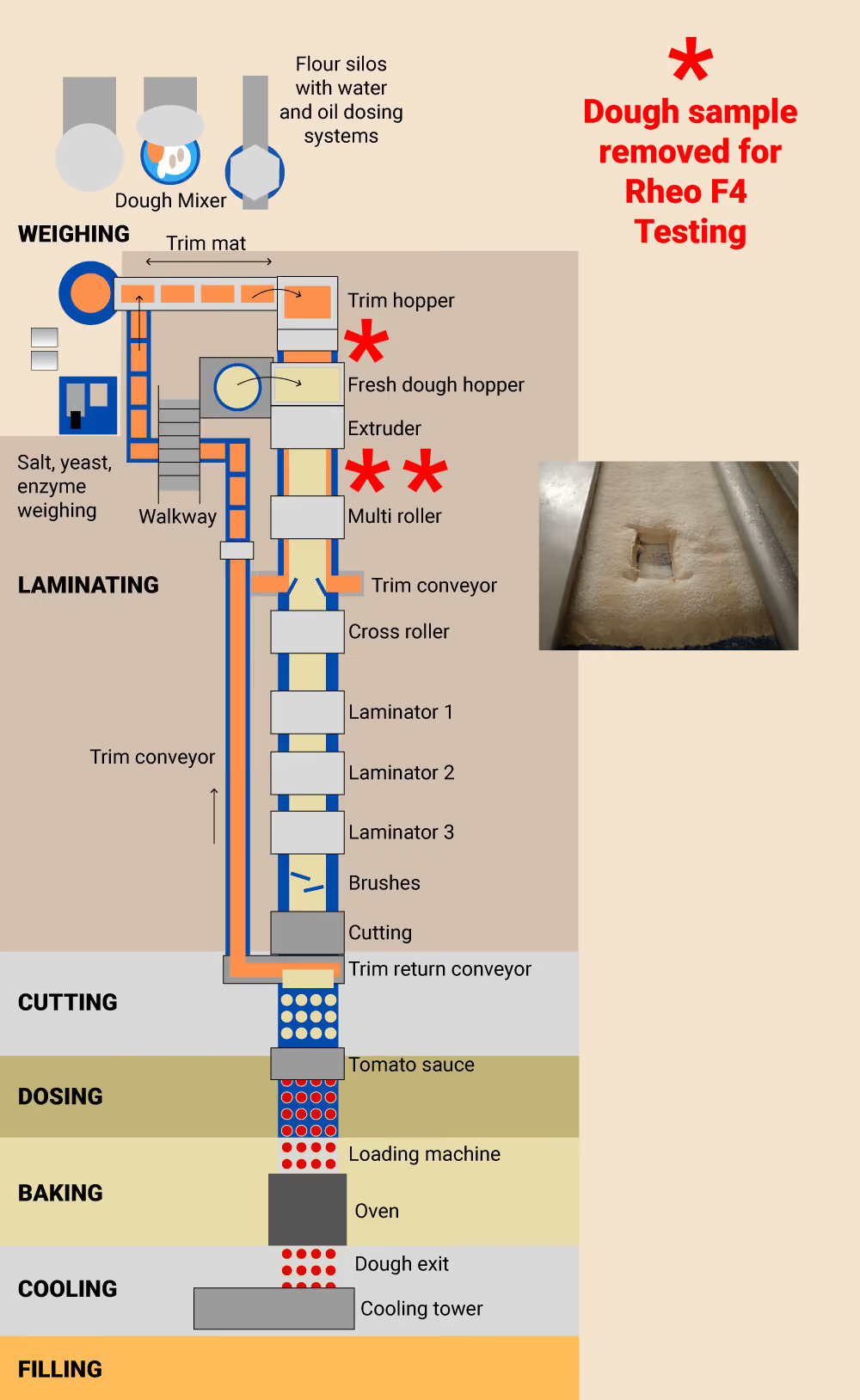
The LDC quality assurance team initially suspected that reworked “old” dough, which were recycled dough trimmings from the shaping process that were reformed and put back into production, were the source of the blistering. This seemed like a reasonable explanation to Mr. Juan Rojas, Food Processing & Technology Manager for all the LDC group: “We were convinced the issue was in our reworking process, but there was no cause-and-effect data we could point to that would give us assurance that our problem was solved.”
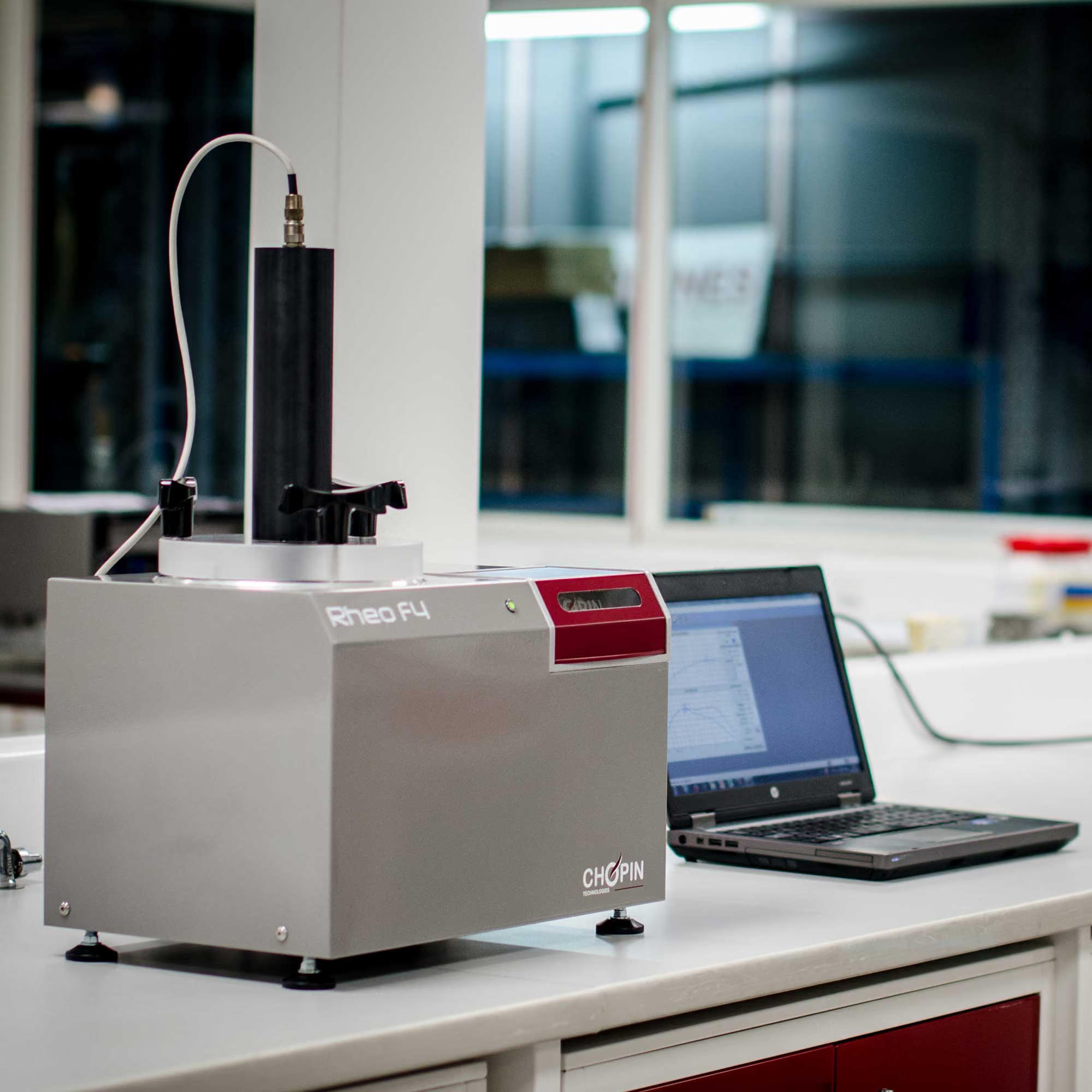
Mr. Rojas sought assistance from the KPM Analytics rheology applications team to help them prove their hypothesis. They developed a structured dough-testing protocol using the Rheo F4 Dough Proofing Analyzer to assess the proofing process in a controlled, objective manner. After the Rheo F4 analysis, which takes about 30 minutes on average, the doughs would proceed to the later process stages. Their hope was that the dough samples with excessive blisters would directly correlate with the recycled dough samples in their experiment. The data, however, told a very different story.
The analysis showed no correlation between blistering and the presence of reworked dough. Instead, the variability was traced upstream to the flour itself.
“The Rheo F4 gave us the clarity to stop chasing the wrong problem with our doughs. Once we could see the data, it was obvious that flour quality was the variable we needed to control,” said Mr. Rojas.
Turning Data into a Communication Tool with Flour Suppliers
With the root cause identified, LDC was better able to shift to a proactive quality control strategy emphasizing raw material management. Thanks to Rheo F4, the team had a quick, simple way to obtain dough quality data to flag potential supplier issues before they reached the production line.
“Before the Rheo F4, we could see and describe the problem but couldn’t prove its cause,” explained Mr. Rojas. “Now we can show our flour suppliers data that clearly demonstrates a correlation between production quality and their deliveries. This has transformed our interactions with our suppliers.”
Expanding Rheo F4’s Role Beyond Blister Control
LDC’s success with Rheo F4 has broadened its quality team’s focus. One goal is to eliminate enzymes from pizza dough. By using the Rheo F4 to characterize flours, LDC aims to achieve the desired dough performance while using fewer enzymatic additives.
“Reducing enzymes is not only a cost-saving initiative, but it helps us meet the demands of our label-conscious customers,” says Mr. Rojas.
Additionally, LDC has explored deploying Rheo F4 directly on its production floor as an at-line instrument, rather than confining it to its testing labs. This innovative approach demonstrates the versatility of Rheo F4 and reinforces LDC’s confidence in it as a practical, everyday quality tool.
A Partnership that Goes Beyond the Purchase
Mr. Rojas says the KPM Analytics team supported every step from trial to purchase of Rheo F4, including experimental design and turning findings into recommendations.
“Other companies may hand you an instrument and wish you luck, but that wasn’t our experience with KPM. They were closely involved and dedicated to helping us solve our challenges,” says Mr. Rojas.
Download & Share This Success Story