Detecting Foreign Material in Beef Processing Plants

.avif)
Beef processing plants operate at remarkable speed and scale. Thousands of pounds of beef trim move through production lines every hour, and maintaining consistent product quality and safety throughout that process is one of the most demanding challenges in food manufacturing. Among the most serious risks in any beef processing facility is the presence of foreign material any substance that does not belong in the final product. From rubber gaskets, foreign material contamination can trigger costly recalls, damage brand reputation, and most importantly, put consumers at risk.
This post explores how beef processing plants manage foreign material risks, where contamination typically originates, and how AI-powered vision inspection systems are transforming the way facilities detect and respond to these threats.
How Beef Processing Plants Operate
Modern beef processing facilities are engineered for high throughput. Animals are harvested, broken down into primal cuts, and then further processed into trim, ground beef, and portioned products often within the same facility. The sheer volume of product moving through these lines creates both efficiency and vulnerability. At peak production, a single processing line may handle hundreds of carcasses per hour, leaving little margin for manual error.
Maintaining operational efficiency while upholding food safety standards requires a layered approach to quality control. Facilities rely on HACCP plans, sanitation protocols, equipment maintenance schedules, and increasingly, automated inspection technologies to keep contamination risks in check.
Common Sources of Foreign Material in Beef Trim
Foreign material in beef trim can originate from multiple points along the production chain. Understanding these sources is the first step toward effective prevention and detection.
- Rubber and plastic: Gaskets, conveyor belts, gloves, and other plastic or rubber components can degrade over time and introduce non-food material into the product.
- Packaging material: Pieces of film, netting, or labeling materials can enter the product stream during rework or re-processing operations.
- Personal protective equipment (PPE): Fragments of cut-resistant gloves, earplugs, or other PPE items worn by employees are a recurring source of foreign material in meat processing environments.
- Environmental contaminants: Pest activity, facility maintenance debris, and overhead infrastructure can also introduce foreign material if sanitation and maintenance programs are not rigorously enforced.
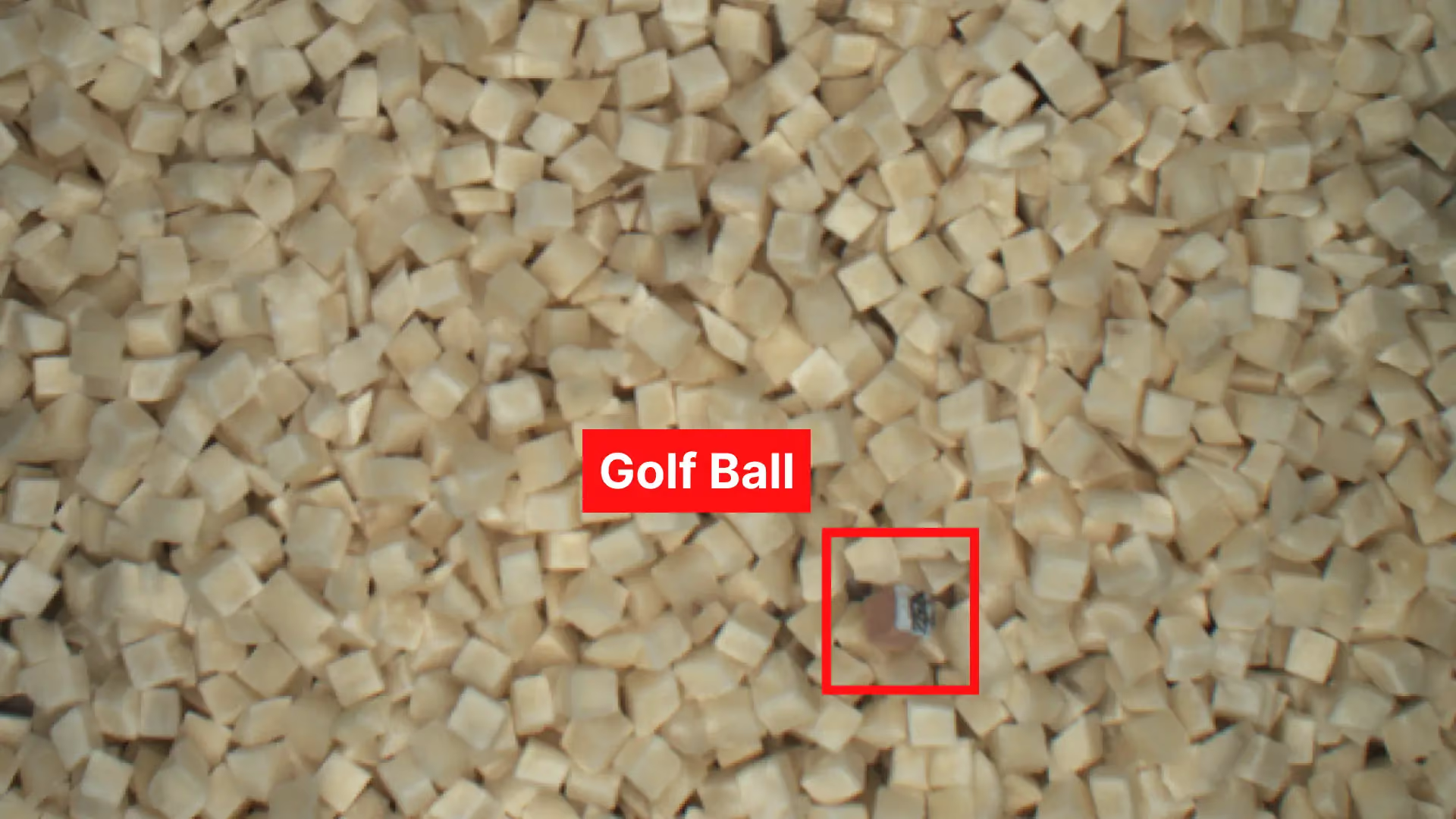
A glove found in beef trim using AI vision
%20(1).avif)
Each of these sources presents a unique detection challenge, particularly because foreign materials vary widely in size, density, color, and opacity. No single detection method addresses all of them equally well.
Human Inspection Versus AI Vision Systems
The Limitations of Human Inspection
For decades, human visual inspection was the primary method for identifying foreign material on beef processing lines. Trained inspectors positioned along the line would monitor product flow and manually remove suspect pieces. Many facilities still face significant product holds and recalls despite having copious inspection resources stationed throughout their trim lines every day.
Human attention is finite. Fatigue, repetitive motion, variable lighting conditions, and the sheer pace of modern processing lines all contribute to inconsistency. Studies across food manufacturing industries consistently show that human inspection alone is insufficient for detecting small or visually similar contaminants at high line speeds. In beef trim, where bone fragments may closely resemble fat and cartilage, the challenge is especially acute.
Challenges in Keeping Beef Products Free from Foreign Material
Even with advanced detection technology in place, beef processing plants face persistent challenges in managing foreign material contamination. Equipment wear is continuous blades dull, gaskets degrade, and conveyor components fatigue over time. Maintaining a rigorous preventive maintenance program is essential but resource-intensive.
Sanitation is another ongoing challenge. Processing environments involve water, temperature variation, and organic material conditions that accelerate equipment degradation and create opportunities for contamination. Cleaning protocols must be thorough enough to remove residues without introducing new foreign material through cleaning tools or chemicals.
Rework operations present a heightened risk. When product is returned to the line for reprocessing, it has typically already passed through multiple handling steps, increasing the likelihood of accumulated contamination. Facilities must apply the same or stricter inspection standards to rework products as to fresh trim.
Finally, the diversity of foreign materials means that no single detection technology captures everything. A layered quality control strategy combining metal detection, X-ray inspection, and AI vision systems provides the most comprehensive coverage across the full range of potential contaminants.
Using AI Data to Trace Contamination Sources
One of the most underutilized advantages of AI vision inspection systems is the data they generate. Every detection event is logged with a timestamp, image capture, and location data. Over time, this creates a detailed record of where and when foreign material is appearing in the product stream.
Quality assurance teams can analyze this data to identify patterns for example, a spike in bone fragment detections during a specific shift, or an increase in rubber contamination events correlated with a particular piece of equipment. This kind of root cause analysis is far more difficult to conduct when relying on manual inspection records, which are often incomplete or inconsistently documented.
By integrating AI inspection data into broader food safety management systems, processors can move from reactive to proactive contamination control. Rather than responding to a recall or a customer complaint, facilities can identify and address contamination risks before they reach the consumer. KPM Analytics vision systems support this approach by providing actionable data that connects inspection to operational outcomes
Building a More Resilient Quality Control Program
Foreign material detection in beef processing is not a problem that can be solved with a single technology or a one-time intervention. It requires a sustained, systematic commitment to equipment maintenance, employee training, sanitation discipline, and continuous monitoring. AI vision systems are a powerful component of that program -- not because they replace human judgment, but because they extend it, filling the gaps that manual inspection cannot reliably cover.
As processing speeds increase and consumer expectations for food safety rise, the role of intelligent inspection technology in beef processing will only grow. Facilities that invest in these capabilities today are better positioned to meet regulatory requirements, protect their brands, and deliver safe, high-quality product to consumers.
To learn more about how KPM Analytics supports quality control in meat and food processing environments, contact us today

.avif)