What is Physical Contamination in Food Products?

.avif)
What is Physical Contamination?
Physical contamination - often referred to in the industry as foreign material (FM), foreign objects, or physical hazards - is the presence of any unintended item in a food product that does not belong there. These contaminants are tangible objects that could potentially cause harm, choking, or dental injury to the consumer. Because these items enter the production line at various stages from harvesting and raw material handling to processing and packaging identifying them early is critical.
Physical Contamination Examples
Contaminants typically fall into two categories: Indigenous (originating from the field or raw ingredients) and man-made (introduced during the manufacturing process).
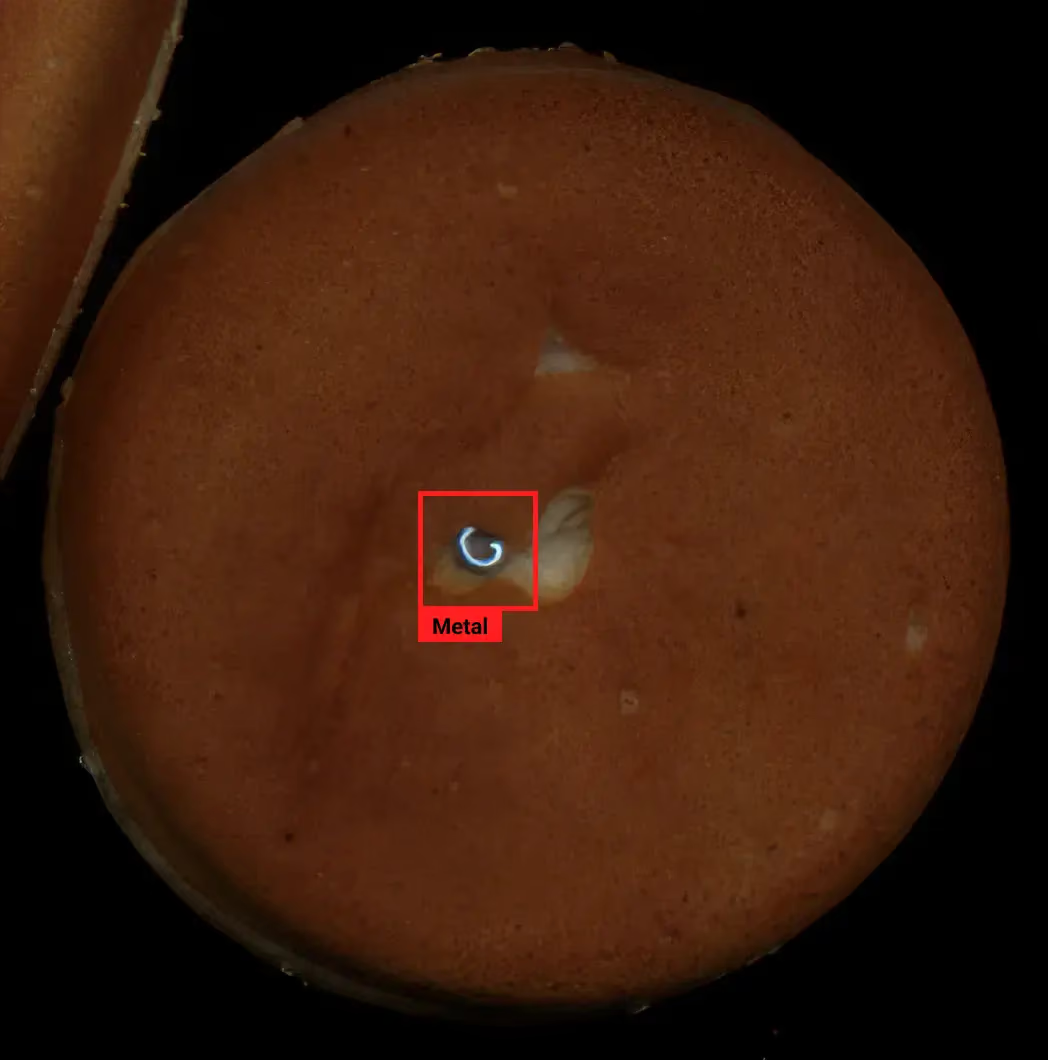
- Metal: Shavings from machinery, loose bolts, or broken screen wires.
- Plastics: Pieces of packaging, gloves, or fragments of plastic tools used in the facility.
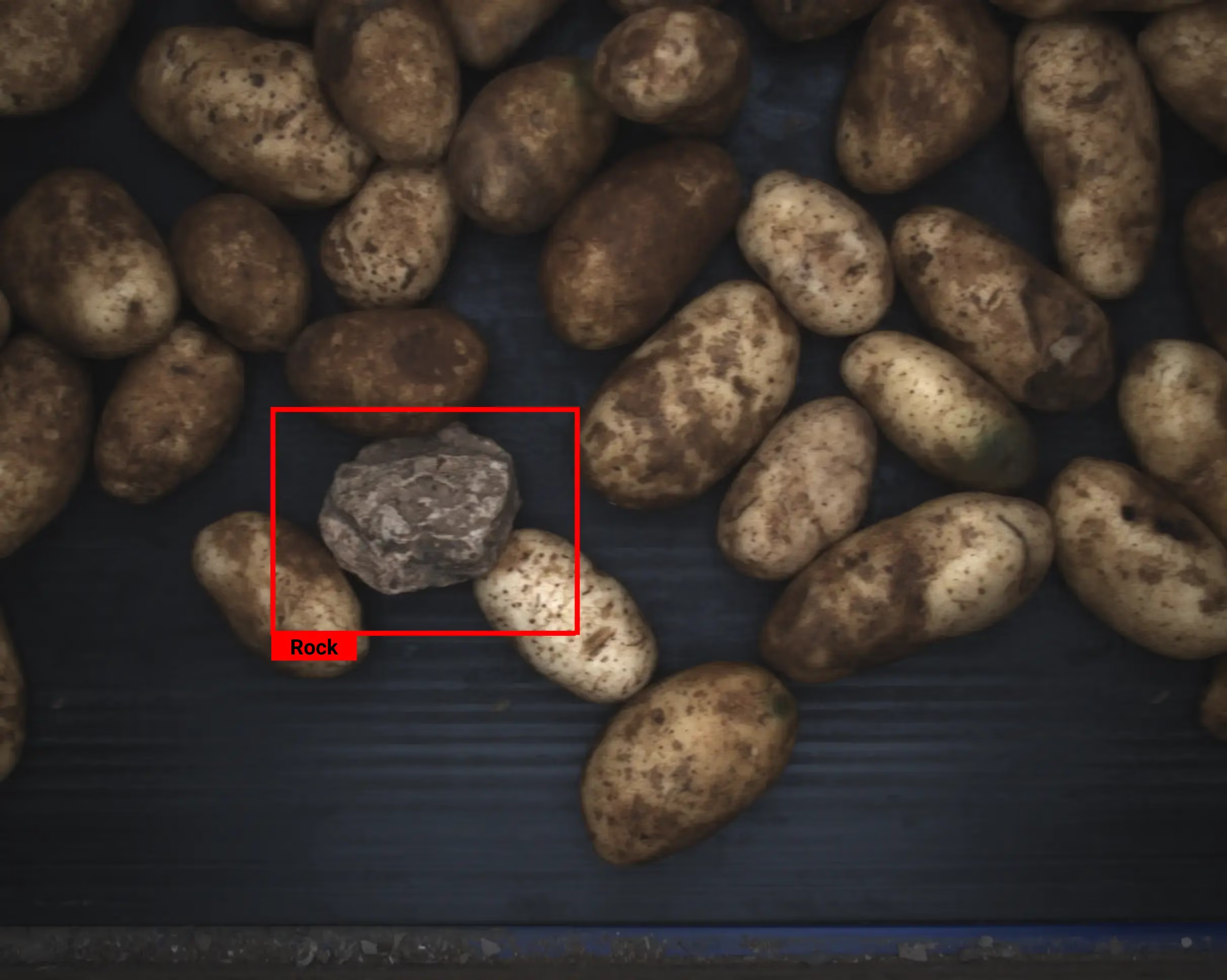
- Indigenous: Stones, wood, pits, stems, shells.
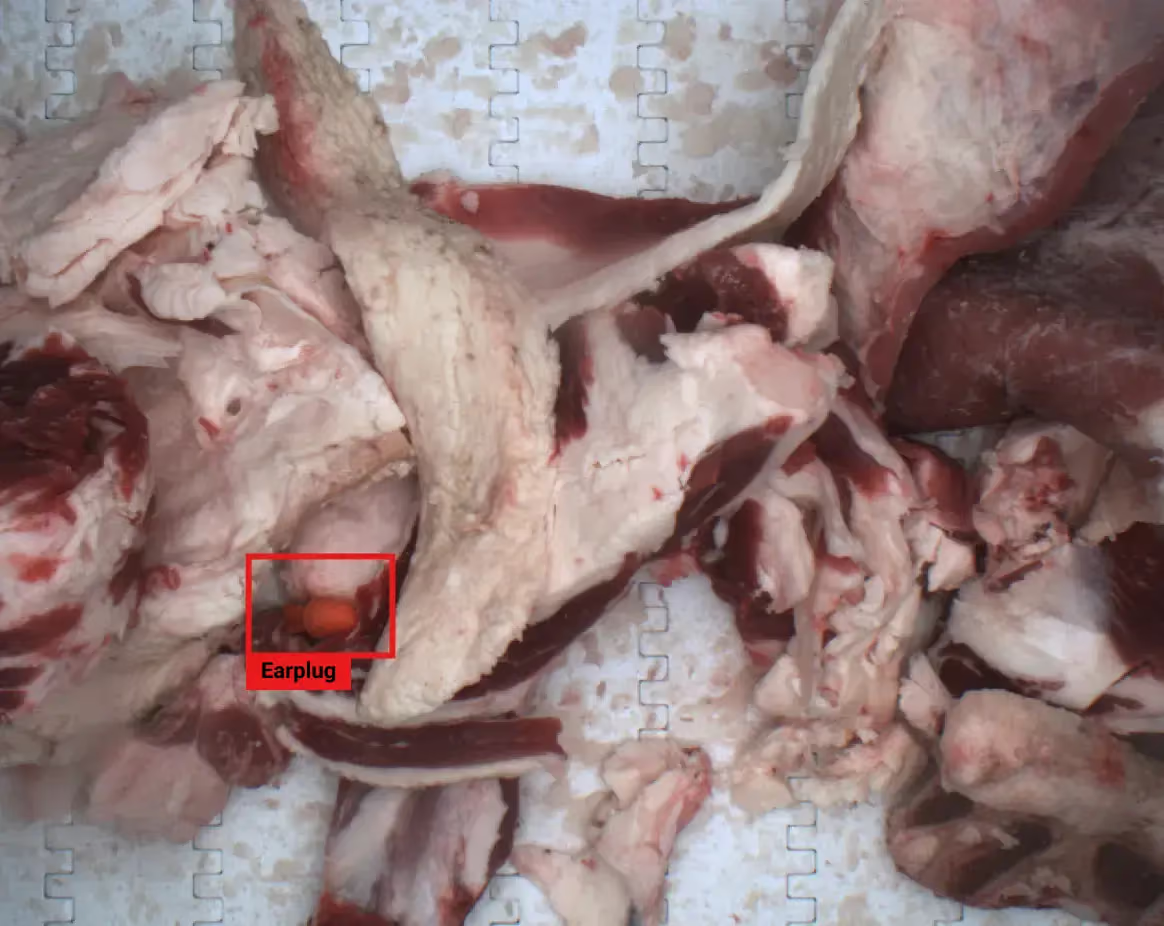
- Personal Items: Jewelry, ear plugs, or pens dropped by staff members.
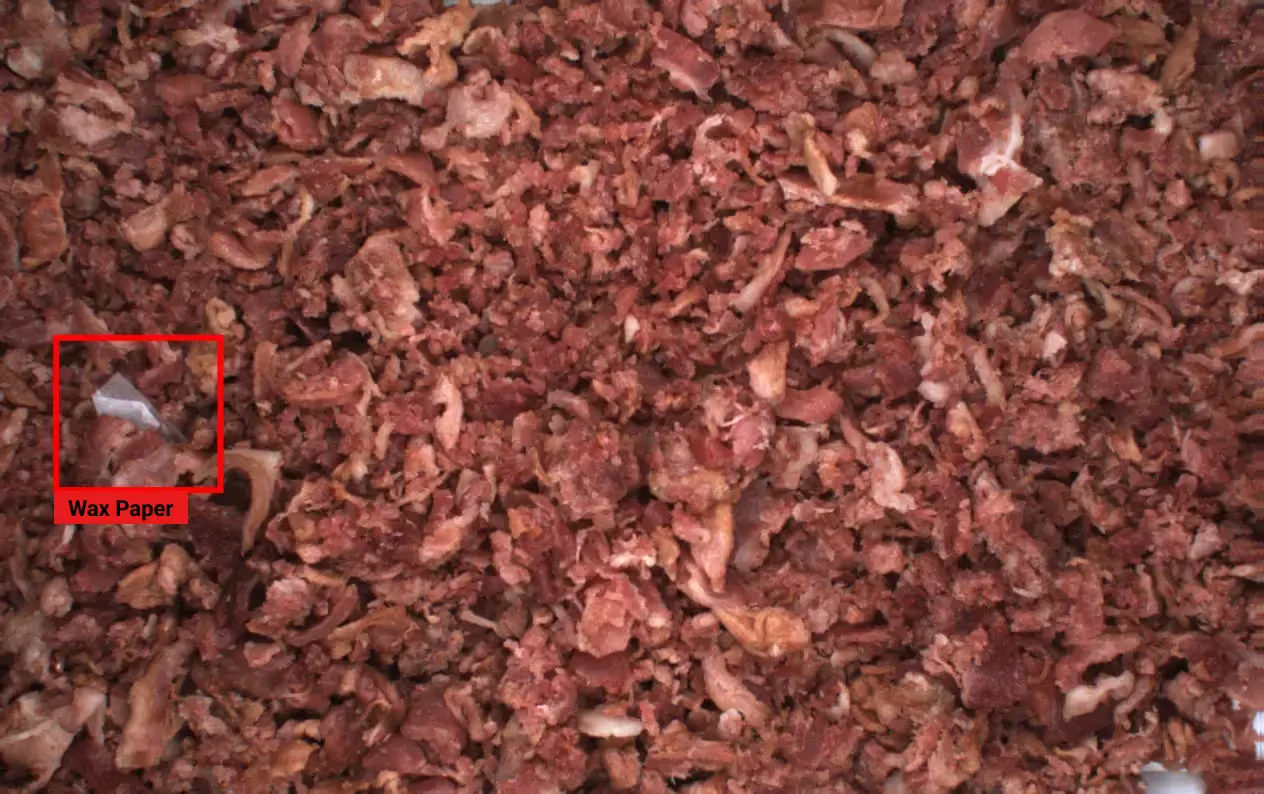
- Others: Cardboard, string, cloth, hair, etc.
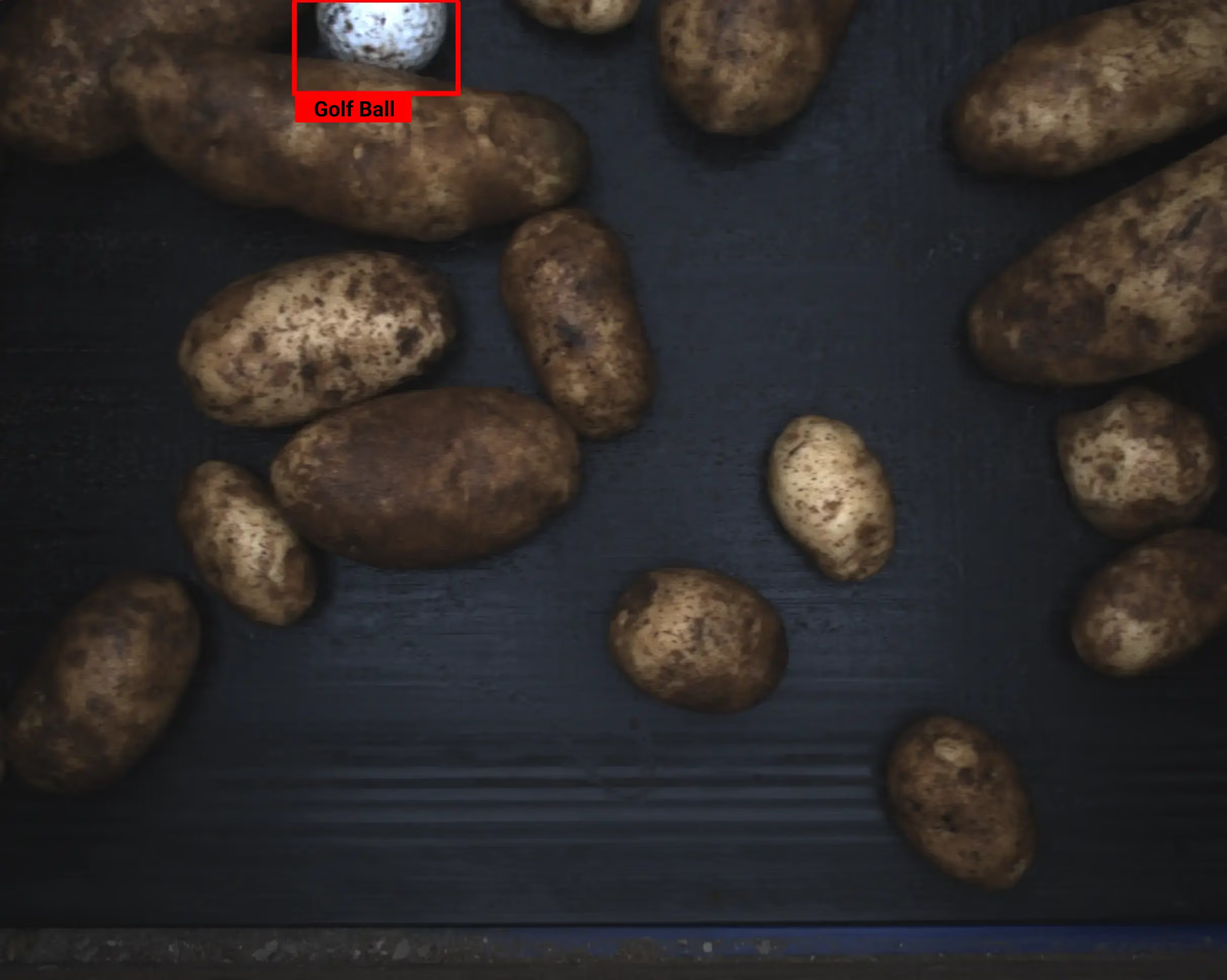
In-Line Detection Examples
detected on real production lines
Where is Physical Contamination Detection Used?
Detection systems are integrated at various stages of the supply chain, depending on the product's vulnerability and the environment in which it is processed.
- Produce Packing: Used to identify field debris like stones, sticks, and other items among bulk fruits and vegetables before they are washed or bagged.
- Meat and Poultry Packing: Critical for identifying bone fragments, plastic from gloves or packaging, and metal shavings from processing equipment.
- Baked Good Processing: Employed to monitor for loose hardware or plastic fragments from mixers, as well as checking finished goods for contaminants before boxing.
- Confectionery and Snack Production: Vision systems are frequently used here to scan high-speed lines for small, non-metallic contaminants like rubber or plastics that might enter the stream during sorting and coating.
How to Prevent Physical Contamination of Food
Prevention requires a multi-layered approach that combines strict operational protocols with automated detection technology:
- Strict Supplier Quality Assurance: Screen raw materials before they enter the facility to ensure purity at the source.
- Preventative Maintenance: Regularly inspect machinery for signs of wear, loosening parts, or potential breakage points.
- Employee Training: Implement Good Manufacturing Practices (GMPs) regarding uniforms, jewelry, and tool management.
- Automated Detection: Use detection systems as a final point of inspection to ensure major contaminations can be identified prior to finished product release and distribution.
- Data-Driven Continuous Improvement: Utilize the insights and analytics captured by vision systems to identify recurring contamination trends. By analyzing the "why" and "when" behind detected foreign materials, facilities can perform root-cause analysis to address specific equipment failures or supplier issues before they become systemic problems.
The Role of Foreign Material Detection Systems
Traditional detection methods, such as metal detectors or X-ray systems, are effective for specific materials but have limitations. They often struggle to identify low-density plastics, clear plastics, small organic materials (like stems or wood), or contaminants that have a similar density to the product itself.
The SiftAI Foreign Material Detection System utilizes AI vision-based technology to bridge these gaps.
Technical Advantages of Vision-Based FM Systems:
- AI-Driven Identification: The SiftAI system uses imaging and Artificial Intelligence to identify objects based on color, texture, and shape.
- Comprehensive Material Detection: Unlike magnetism-based systems, vision technology can detect non-metallic and low-density contaminants, including wood, rubber, and various types of plastic.
- High-Speed Integration: The system is designed to operate at high production speeds, identifying and rejecting contaminated items in real-time.
- Data-Driven Quality Control: Automated systems provide consistent monitoring without the fatigue or subjectivity associated with manual inspection.
Conclusion
Ensuring food safety requires a proactive strategy. By combining rigorous maintenance and training with advanced vision technology. Facilities can significantly reduce the risk of physical contamination by combining rigorous maintenance and training with advanced vision technology
.avif)