Back to Flour: Understanding What Impacts Crispness of Baked Products
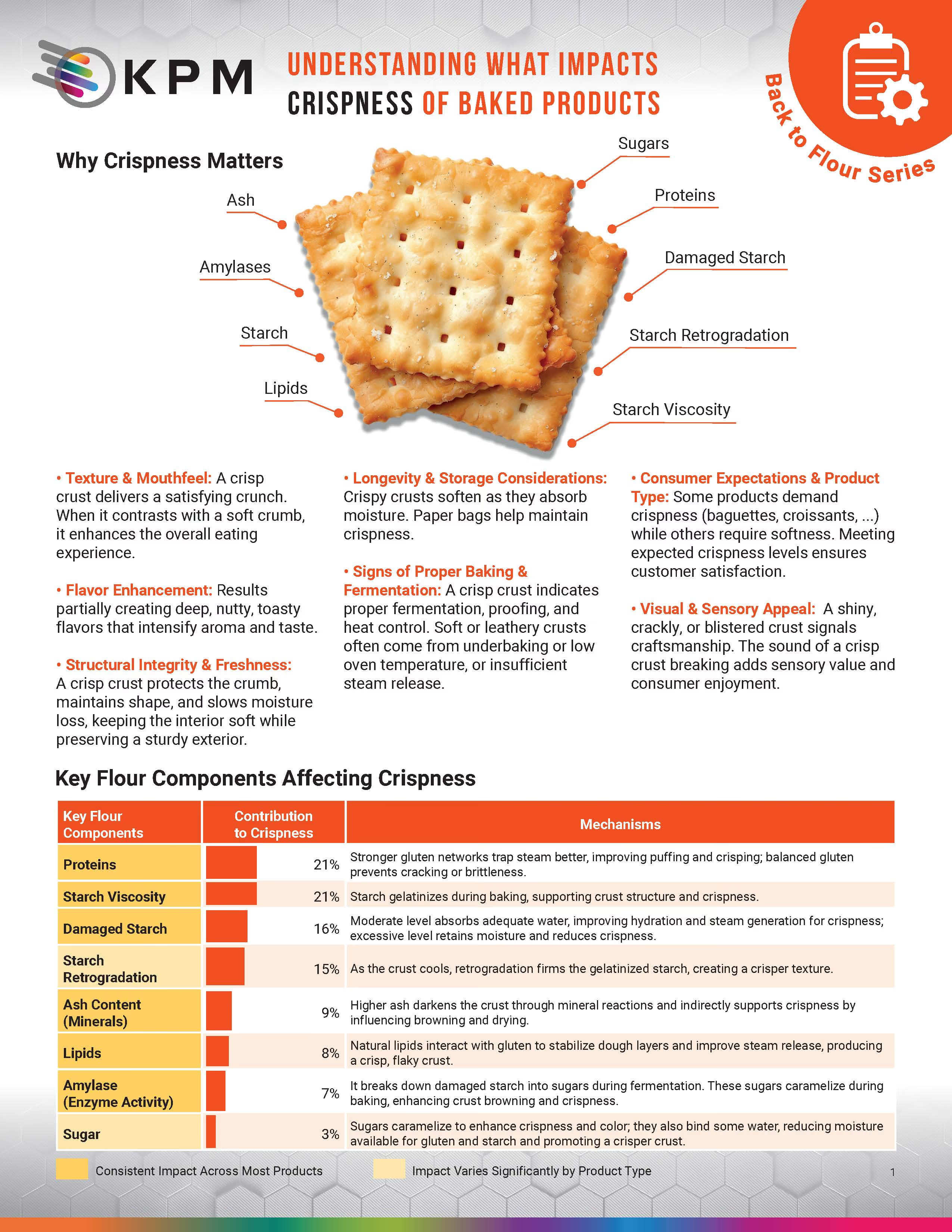
Crispness is a defining characteristic for many baked goods, contributing directly to texture, mouthfeel, and overall enjoyment. A crisp crust enhances flavor through Maillard reactions and caramelization, intensifying aroma and taste. It also protects the crumb, maintains shape, and slows moisture loss, helping the interior stay soft while the exterior remains firm and pleasant to bite.
Additionally, crispness plays an important role in consumer expectations. Some products depend on a pronounced crisp crust, such as baguettes, croissants, crackers, and pizza crusts, while others require a more moderate or subtle level. Crispness is also influenced by handling and storage, as it naturally softens when exposed to humidity. Proper fermentation, proofing, and heat control are essential for achieving the right balance between crust firmness and overall product quality.
Each component’s contribution and mechanism influences crispness in different ways, including how they affect steam generation, gelatinization, browning, drying behavior, and crust firmness.
This document is part of the Back to Flour Series, an educational program that connects flour science to bakery product characteristics. Learn more here.