Bay State Milling Achieves Flour Consistency & Supply Chain Confidence
Bay State Milling, a U.S.-based flour producer with over 125 years in the industry, an organization known for delivering reliable, high-functioning products to the market, achieving flour consistency depends heavily on strong inbound wheat management and precise laboratory milling. That’s where the KPM CHOPIN Labmill has become a critical part of their operation.
Consistency is the name of the game for milling operations like Bay State Milling (BSM). From the world’s largest baking brands to the home baker, everyone expects their flour to perform the same way, day after day, batch after batch. However, because of the natural variability of incoming grain, it is vital for milling companies to be proactive, anticipate, and correct formulations to deliver on their promise of consistency.
For BSM, a U.S.-based flour producer with over 125 years in the industry, an organization known for delivering reliable, high-functioning products to the market, achieving that consistency depends heavily on strong inbound wheat management and precise laboratory milling. That’s where the KPM CHOPIN Labmill has become a critical part of their operation.
A Commitment to Consistent Flour Performance
BSM produces a wide range of wheat flour products. With such a diverse portfolio of offerings, one expectation remains constant: All flour leaving a BSM facility must meet strict customer requirements.
Without laboratory technologies like the Labmill, millers risk accepting wheat delivery based on rheological properties produced differently from their production process. Laboratory testing that aligns with commercial equipment helps companies like BSM be more confident in their quality assurance process, especially during the harvest season when new grain arrives.
Since 2022, the Labmill has become a critical instrument for the BSM QA team to manage incoming wheat shipments and control finished flour quality. Director of Quality Assurance and Technical Service at BSM, Tim Pohlman, explains that laboratory milling plays a foundational role in promises flour quality and consistency.
“Labmill is critical to supply chain management of grain to manage the rheology of the finished products,” Pohlman explains. “BSM prides itself on producing consistent, functioning flour to the market, and this can’t be achieved without the use of inbound wheat testing and management.”
A QA Leader Focused on System-Wide Alignment
Pohlman brings more than 16 years of milling and quality experience to his role, including over six years at BSM and a decade in milling QA management prior to joining the company. His responsibilities range from QA management systems, specification management, audits, customer complaints, supply chain support, and corporate laboratory management.
This hands-on experience gives Pohlman a unique perspective on how laboratory tools impact not only testing accuracy but also decision-making across an entire organization. “The data we generate in the lab directly influences wheat blending decisions, production outcomes, and ultimately customer satisfaction.”
Why Lab Milling Matters at BSM
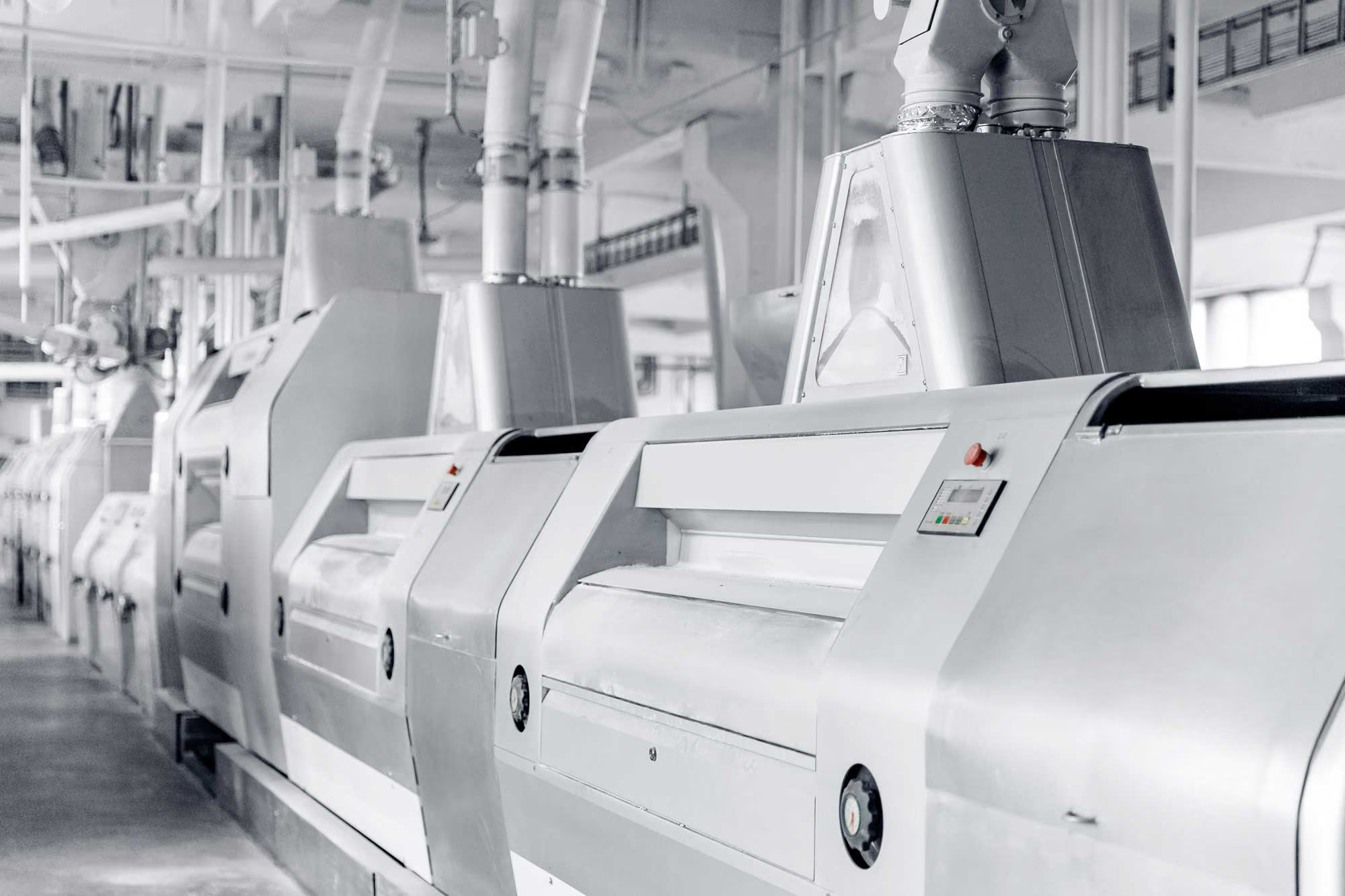
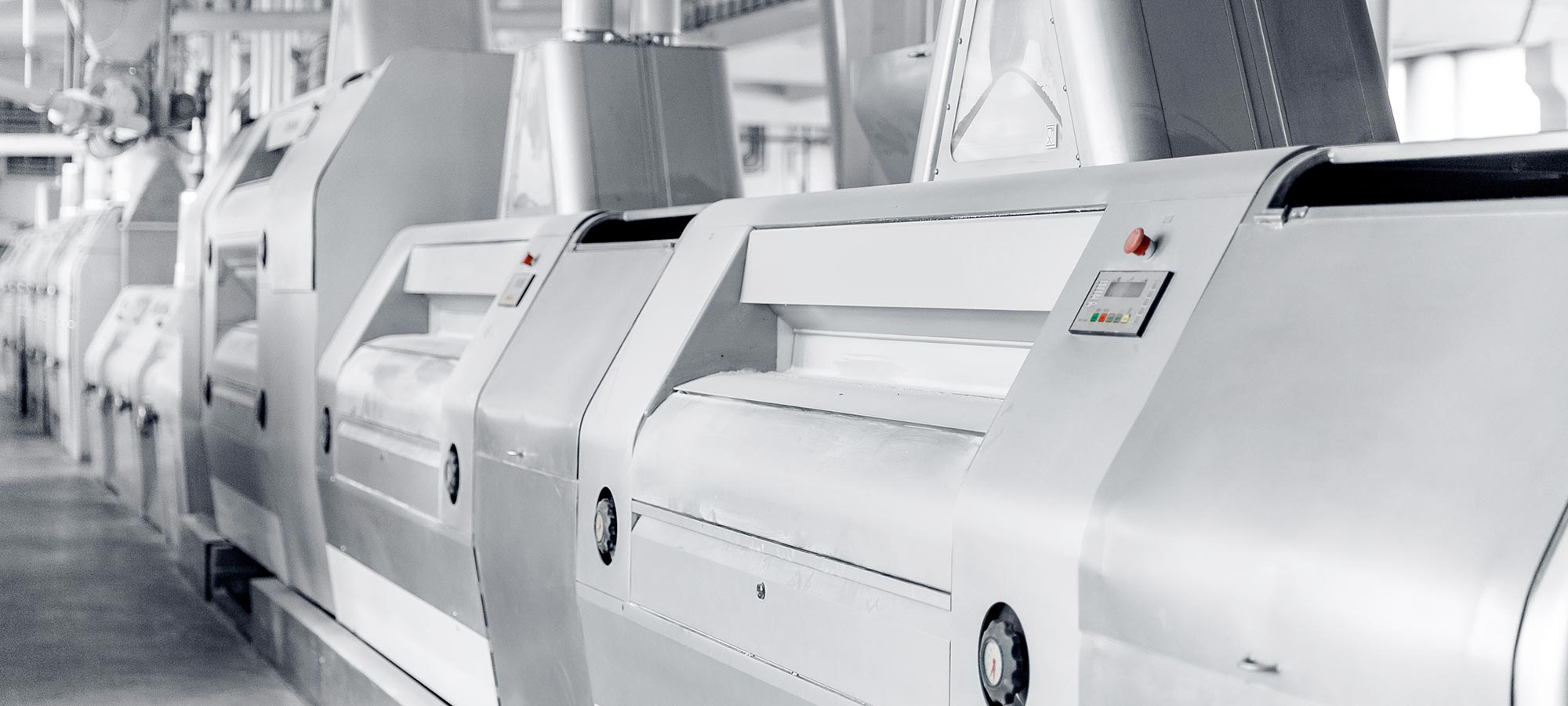
At BSM, laboratory milling is an essential link between incoming grain and finished flour performance. The company uses Labmill daily to produce refined and whole wheat flour for classical rheological testing, including dough lab analysis.
What sets Labmill apart, according to Pohlman, is its ability to closely replicate commercial mill extraction and granulation.
“Because of its adjustability, Labmill allows us to produce very similar extractions to our commercial mills,” Pohlman explains. “That means the rheology data we generate in the lab closely reflects what we see at commercial scale.”
Having the capability to align lab data with commercial milling results helps BSM make more confident wheat blending decisions and maintain consistent flour functionality across multiple facilities.
Seamless Transition from Legacy Lab Mills
Before adopting Labmill, BSM relied on laboratory mills from different brands. While effective, those systems lacked the flexibility needed to fine-tune extraction and granulation to match commercial milling conditions.
“The previous test instruments we had couldn’t be adjusted like the Labmill,” Pohlman notes. “The adjustment from our old lab milling equipment to the new Labmill was made with very little interruption to the inbound wheat management process.”

Driving Accuracy and Company-Wide Data Sharing
Since implementing Labmill, BSM has seen measurable improvements in accuracy and consistency across its six wheat milling locations across North America. One of the most significant benefits has been standardization.
“Labmill has improved our accuracy because all of our laboratory milling equipment now produces similar extraction and granulation,” Pohlman explains. That alignment has unlocked another key advantage: data sharing across the organization.
“This allows BSM mills to share inbound grain data across the company,” Pohlman says. “Everyone is working from comparable information, which strengthens decision-making and consistency across locations.”
Maintaining Quality Without Compromise
Importantly, the transition to Labmill did not disrupt flour quality or customer outcomes. Test bakers at BSM have seen consistent performance from flour produced using Labmill-generated data, reinforcing confidence in the system.
“BSM has maintained our quality and consistency with the change to Labmill,” Pohlman says.
Labmill used alongside other classical rheology tests helps BSM proactively manage grain variability before it reaches production, ensuring customers receive flour that performs exactly as expected.
A Foundation for Consistent Results
For BSM, Labmill isn’t just a laboratory mill; it has become a symbol of the company’s quality and supply chain strategy. By producing lab-scale flour that closely mirrors commercial output, Labmill enables better data, better decisions, and more consistent flour for customers.
As Pohlman puts it, “Producing consistent, functioning flour starts with how you manage your grain. Labmill makes that possible.”
.avif)