Why Leading Seafood Processors Are Investing in AI Quality Control Technology

.avif)
Seafood is one of the most perishable and quality-sensitive categories in the global food supply chain. From the moment a fish leaves the water to when it reaches a consumer's plate there are dozens of variables affecting food safety, freshness, and the overall dining experience. For decades, quality control in seafood processing relied heavily on manual inspection, sensory evaluation, and basic regulatory compliance. Today, that landscape is changing rapidly. Advanced technologies, intelligent inspection systems, and data-driven decision-making are redefining what it means to deliver a high-quality seafood product at scale.
WATCH: Catching Details: How Vision Systems Help Seafood Processors See More (An interview with Clearwater Seafoods Director of Research & Development for Land-Based Operations, John Garland, to learn about thier quest to transform wild variability into consistent, world-class quality.)
The Evolution of Seafood Quality
The definition of seafood quality has expanded significantly over the past two decades. Traditionally, seafood quality was assessed through sensory evaluation, using sight, smell, and touch to gauge freshness. These subjective methods focused on physical indicators such as bulging eyes, firm, elastic flesh, bright red gills, and a neutral or sea-like odor. While food safety remains the non-negotiable foundation, today's consumers and retailers demand much more. They expect premium sensory attributes, including consistent texture, natural color, appealing aroma, and optimal moisture content, alongside transparency around sourcing and handling.
This shift has placed new pressure on seafood processors. Meeting elevated consumer expectations requires moving beyond pass-or-fail safety checks and adopting systems that can evaluate and document quality at every stage of production. The good news is that technology has advanced to meet this challenge head-on.
Why Freshness and Handling Remain the Foundation
No technology can fully compensate for poor handling practices or a breakdown in the cold chain. Freshness is the single most important quality indicator in seafood, and it begins deteriorating the moment the product is harvested. Key freshness indicators that consumers and processors alike look for include:
- Appearance: Bright, clear eyes in whole fish; firm, glistening flesh in fillets; and consistent, natural color throughout the product
- Texture: Firm flesh that springs back when pressed, with no signs of mushiness or excessive softness
- Aroma: A clean, mild ocean scent rather than strong fishy or ammonia-like odors
- Moisture content: Proper hydration levels that affect both shelf life and cooking performance
Maintaining these attributes requires rigorous temperature management, hygienic handling, and rapid processing after harvest. However, even with best-in-class cold chain practices, processors need reliable tools to verify and document that quality has been preserved throughout the production process.
How Technology Has Changed Seafood Quality Inspection
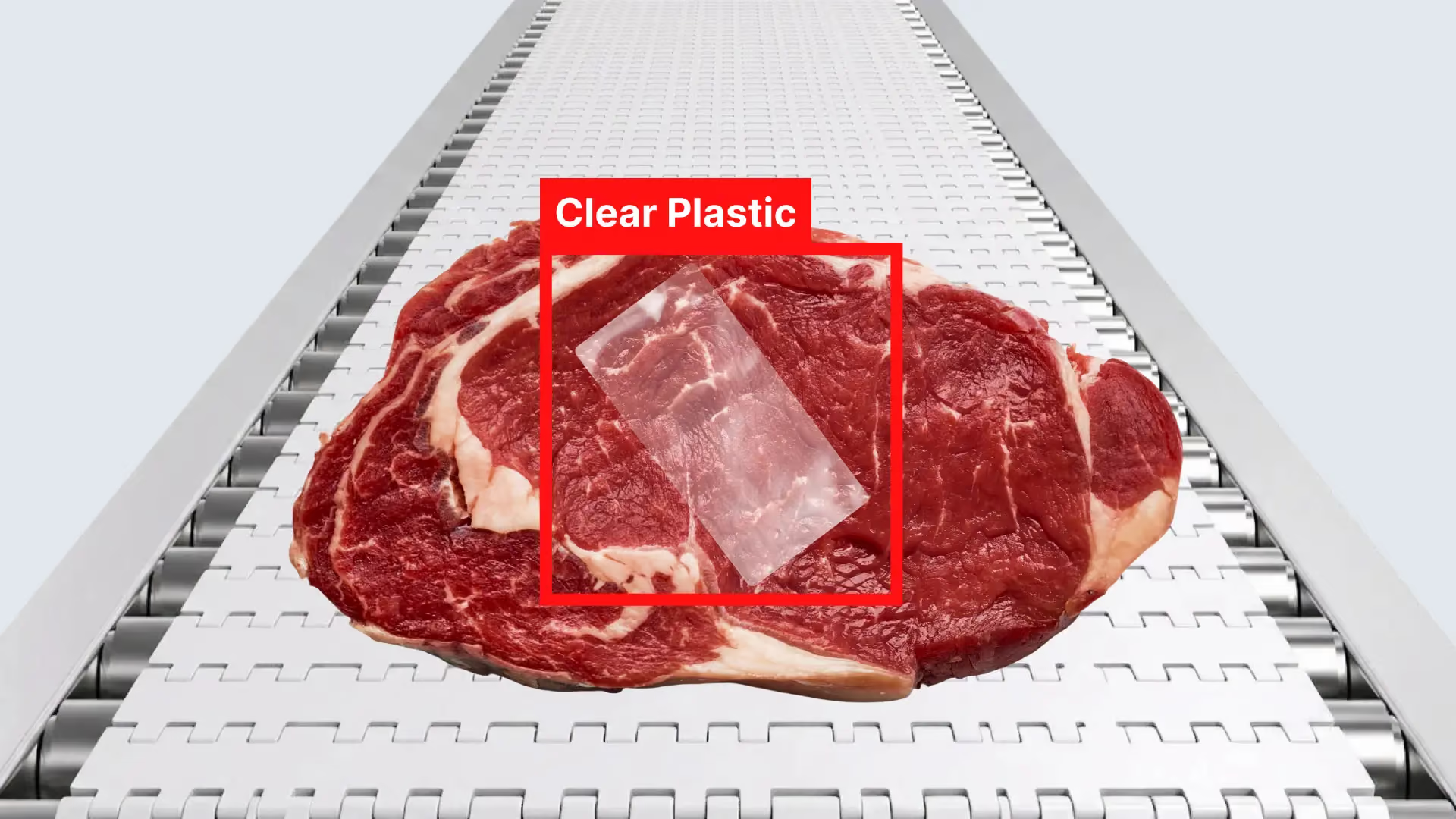
The transformation of seafood quality inspection has been driven by several converging technologies. Vision inspection systems represent one of the most impactful advancements in the industry. These systems use high-resolution cameras, advanced lighting, and sophisticated image-processing algorithms to evaluate products at line speed. The optimization of these combined technologies can identify defects, inconsistencies, and foreign material that manual inspection could not sustainably detect at high volumes.
Today, AI-enabled vision systems have transformed the quality assessment of seafood. Machine learning models in modern vision inspection solutions from KPM Analytics analyze freshness indicators such as eye clarity, gill color, skin texture, and surface defects, while simultaneously flagging foreign material, including parasites, shell fragments, fishing gear remnants, and PPE remnants like glove pieces. These systems also assess color uniformity, shape conformity, and portion size with remarkable precision, assigning quality scores in real time with a level of consistency that manual inspection cannot maintain across a full shift. Advanced systems further incorporate hyperspectral imaging to detect attributes or anomalies that indicate spoilage spoilage that is not visible with vision alone.


The Role of Data in Elevating Seafood Quality Control
Perhaps the most transformative development in modern seafood quality control is not any single piece of hardware, but rather the intelligent use of data generated by inspection systems across the production line. Every scan, measurement, and rejection event produces information that, when properly captured and analyzed, becomes a powerful asset for continuous improvement.
Data collected from inspection systems can help processors:
- Identify recurring defect patterns linked to specific suppliers, seasons, or processing conditions
- Optimize line settings in real time based on incoming raw material variability
- Forecast quality trends and proactively adjust procurement or processing parameters proactively
- Generate audit-ready documentation that supports regulatory compliance and retailer requirements
- Reduce product waste by making smarter accept-or-reject decisions based on objective data rather than subjective judgment
Smart rejection systems integrated with data analytics platforms take this a step further by enabling processors not only to detect and remove non-conforming products but also to understand why those products fell short and to act on that insight systematically. This closed-loop approach to quality management is what separates leading seafood processors from those still relying on reactive, manual methods.
Myths and Misconceptions in Seafood Quality Assessment
The Fresh Versus Frozen Debate
One of the most persistent misconceptions in the seafood industry is that fresh seafood is always superior to frozen. In reality, the quality of a seafood product depends far more on how quickly it was processed and how well the cold chain was maintained than on whether it was sold fresh or frozen. A fish that is flash-frozen shortly after harvest can deliver superior freshness, flavor, and nutritional value compared to a product labeled as fresh that has spent several days in transit.
Modern inspection and measurement technologies are helping to shift consumer and industry perception by providing objective, data-backed evidence of quality. When processors can demonstrate through measurable attributes such as moisture content, color consistency, and defect rates that a frozen product meets or exceeds fresh benchmarks, it builds trust and opens new market opportunities.
Quality-First Culture with the Right Technology Partner
Adopting advanced quality control technology is not simply a matter of installing new equipment. It requires a commitment to data literacy, process discipline, and continuous improvement across the organization. Processors that achieve the greatest results are those that treat quality systems as strategic assets rather than compliance checkboxes.
KPM Analytics brings deep expertise in food quality measurement and inspection to the meat, poultry, and seafood industries. KPM offers solutions that help processors measure what matters, enabling them to act on reliable data and consistently deliver products that meet the highest standards for quality and safety. Whether the goal is reducing production losses, improving yield, ensuring compliance, or building consumer trust, the right technology foundation makes all the difference.
As consumer expectations continue to rise and global competition intensifies, seafood processors that invest in intelligent quality control systems today will be the ones best positioned to lead the industry tomorrow.
.webp)