Back to Flour: Noodle Quality and Water Absorption During Cooking
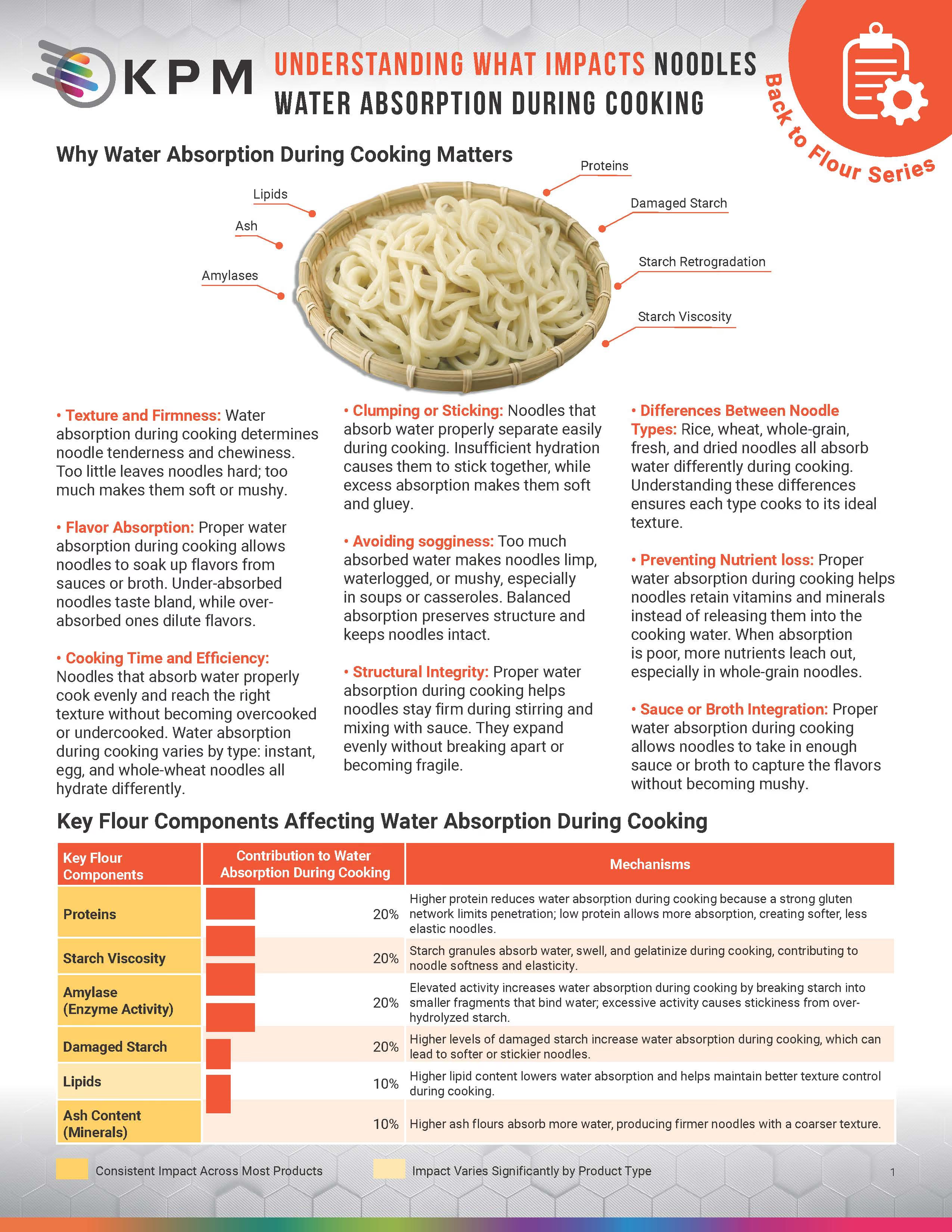
Water absorption during cooking refers to the ability of noodles to take in water as they hydrate — a property directly related to the flour used. This characteristic plays a key role in noodle quality. It determines texture and firmness, shaping whether noodles become tender, chewy, or too soft. It also affects flavor, since proper hydration allows noodles to capture sauces or broth without becoming bland or diluted. When noodles absorb water evenly, they cook consistently, separate more easily, and avoid clumping or becoming gluey.
The document highlights additional reasons why water absorption matters, including maintaining structural integrity, preventing sogginess, and preserving nutrients that might otherwise leach into cooking water. Differences between noodle types — rice, wheat, whole-grain, fresh, or dried — also influence how they hydrate during cooking.
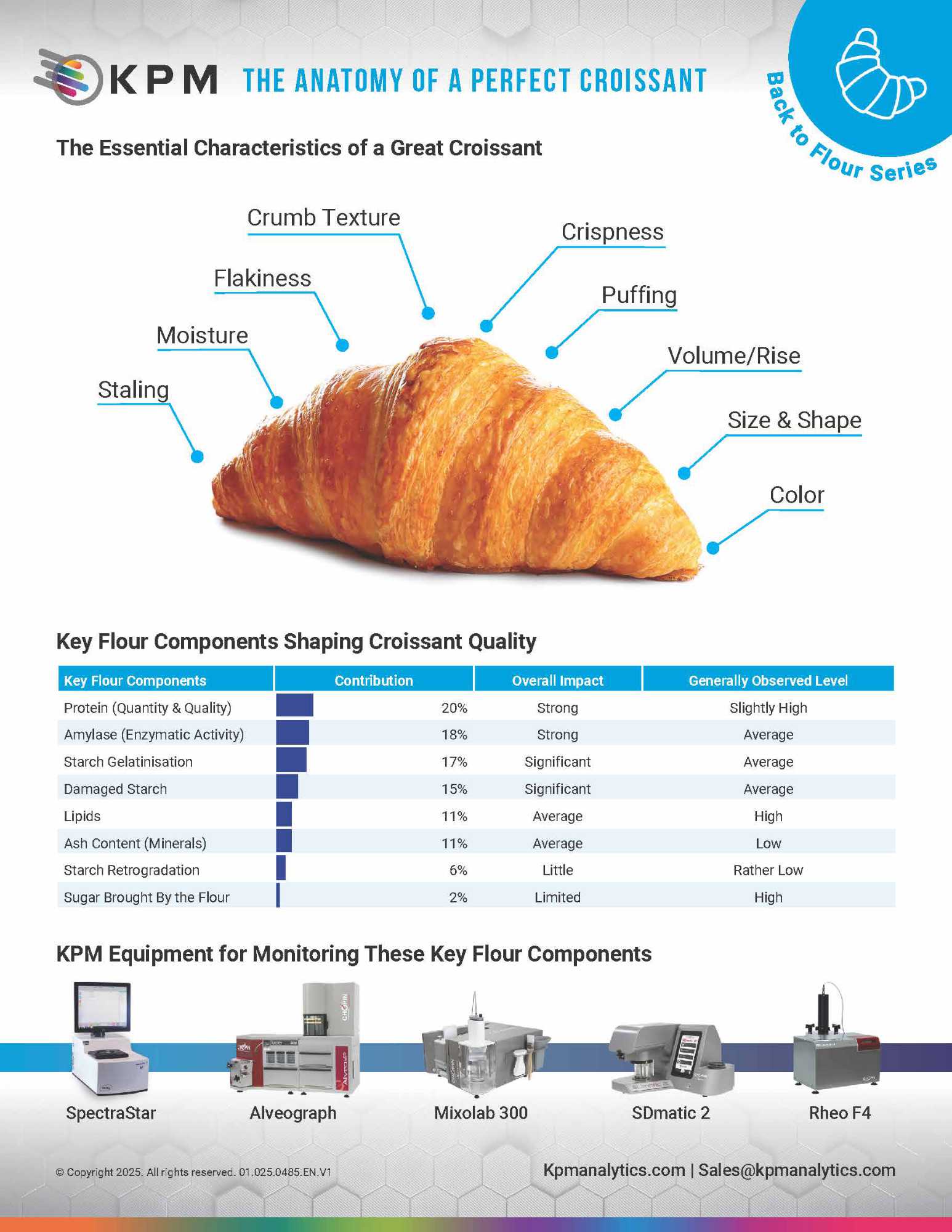
Water absorption during cooking is influenced by several flour components. Proteins, starch viscosity, amylase activity, damaged starch, lipids, and mineral content each contribute to how noodles absorb, retain, or release water, affecting swelling, gelatinization, stickiness, and firmness.
This document is part of the Back to Flour Series, an educational program that connects flour science to bakery product characteristics. Learn more here.