Noodles: Understanding Water Absorption During Cooking


Why Water Absorption during Cooking Matters
Water absorption during cooking is a key characteristic for noodles because it determines how the product transitions from dry to its final texture. As explained in the video, when noodles are placed in hot water, they absorb moisture to reach the desired consistency. This absorption affects chewiness, mouthfeel, and may also create defects such as stickiness or even noodles sticking together.
A noodle that absorbs too much water may become weak, sticky, or soggy. One that absorbs too little may stay firm or rubbery. Because cooking transforms the product, controlling how much water is absorbed is essential for ensuring consistent quality.
Transformation of Dough - Explore the Keys to Water Absorption During Cooking
In the Back to Flour Series, Transformation of Dough shows how flour composition influences the way noodles absorb water during cooking.
As Lena and Arnaud explain, several flour components play a major role. Protein affects how much water the noodle can retain; both protein quantity and protein quality increase water absorption capacity. Damaged starch also increases water absorption, but if present in excess, it may make noodles sticky or cause them to release water later if there is not enough protein to hold it inside.
Starch gelatinisation is another critical mechanism. During processing and baking, starch is partially gelatinised, and the degree of this gelatinisation determines how the starch structure reacts during cooking, absorbing more or less water depending on its final state.
Enzymatic activity, particularly amylase, also contributes because damaged starch is more sensitive to this activity. Higher amylase levels influence how much water is absorbed once the noodle is in hot water.
Together, these flour components shape how noodles behave during cooking—whether they absorb water properly, retain it, or become sticky or soggy.
For a Quick Overview of Water Absorption During Cooking
Our PDF guide provides a concise summary of how protein, damaged starch, starch gelatinisation, and amylase activity influence water absorption across noodle products.
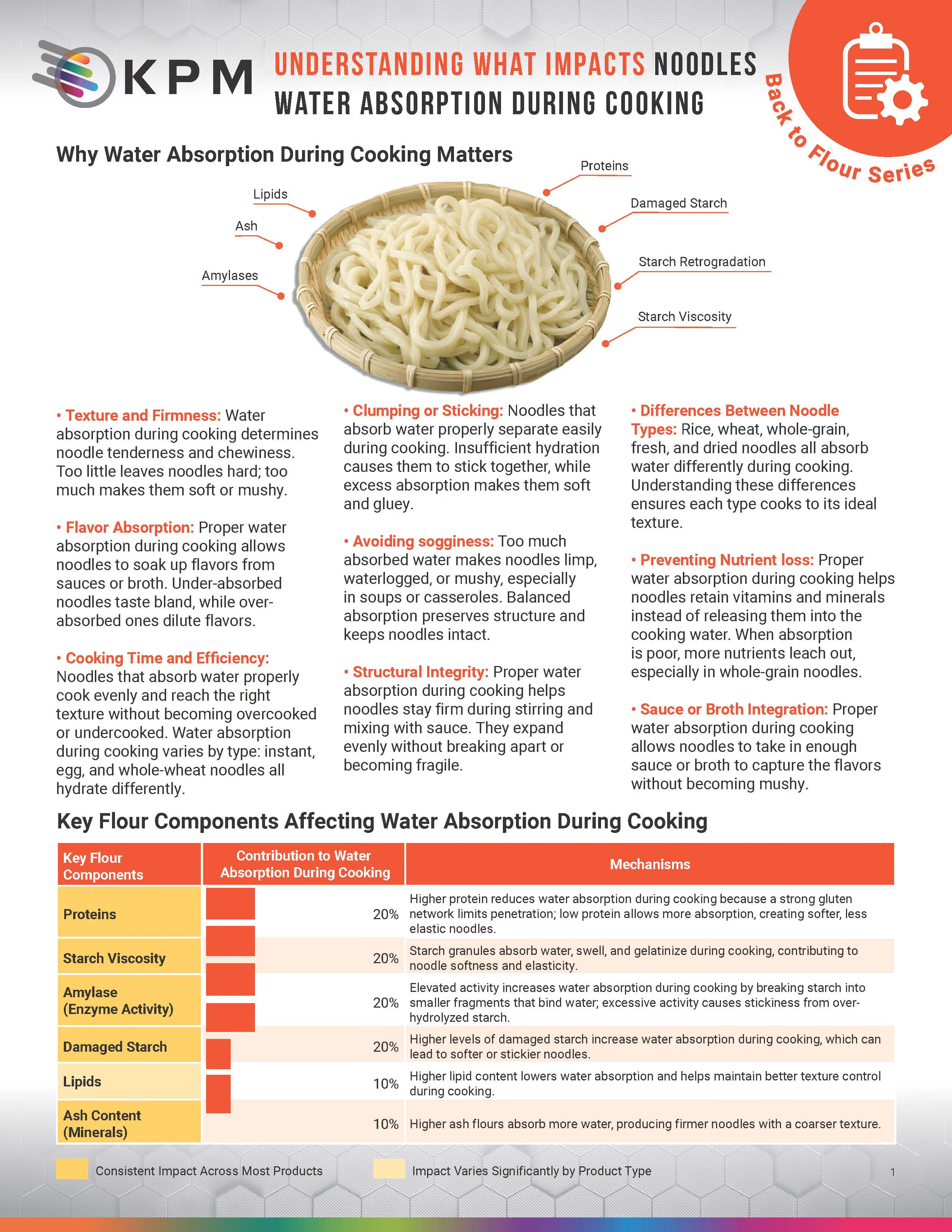
📄 Download the PDF:Understanding What Impacts Water Absorption During Cooking
What's Next?
Water absorption during cooking is essential to delivering the right noodle texture and preventing stickiness or sogginess. Mastering the influence of flour components helps producers achieve consistency batch after batch.
The Back to Flour Series is constantly growing—with videos, technical PDFs, and resources across At the Table, Transformation of Dough, Secrets of Flour, and more technical insights to come.
Explore the categories below and stay tuned as we continue to connect flour functionality with product excellence.