Crispness: A Defining Sensory Signature


Why Crispness Matters
Crispness is one of the most distinctive texture attributes in baked goods. As seen in the video, consumers expect certain products, croissants, wafers, crackers, biscuits, thin pizzas, to break cleanly and deliver a pleasant, audible “crunch.” Others, like soft sandwich bread, should remain tender with no crispness at all.
Crispness influences not only texture, but also flavour perception. A crispy baguette or croissant, for example, is naturally perceived as more aromatic and flavourful than the same product when soft. Because of its strong impact on enjoyment and product identity, crispness is a quality bakers must understand and control.
Transformation of Dough - Explore the Keys to Crispness
In the Back to Flour Series, Transformation of Dough shows how flour composition influences the mechanisms that create and maintain crispness.
As Arnaud and Lena explain, starch functionality is central. Starch gelatinisation during baking plays a major role in forming the crispy texture. But this behaviour varies depending on product type and water content: a baguette dough, a wafer batter, and a cracker dough all create different conditions for starch to gelatinise.
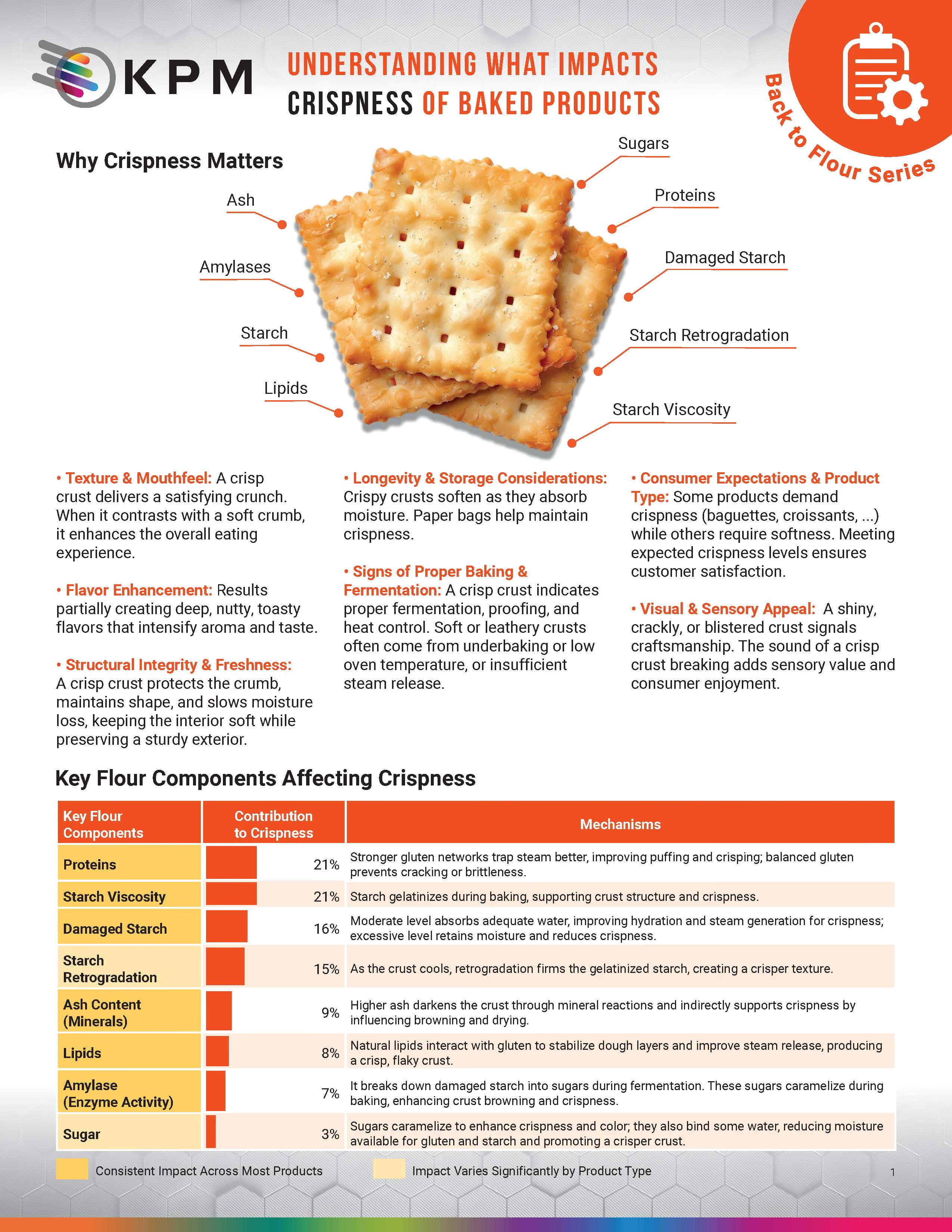
Damaged starch is also key: it absorbs more water, influencing the thickness of the gel formed during baking, and therefore the level of crispness. After baking, starch retrogradation determines how long crispness is maintained, slow retrogradation helps preserve crispness, while fast retrogradation causes it to disappear more quickly.
Protein quality also contributes, especially when structure or slight puffing is required, whereas very low protein levels are preferred in products like wafers to avoid lump formation. Together, these components, starch, damaged starch, amylase activity, and protein balance, shape how crispness develops and how long it lasts.
For a Quick Overview of Crispness
To complement the video, our PDF guide summarises how starch gelatinisation, damaged starch, retrogradation, protein quality, ash content, sugars, and other flour components influence crispness across different baked products.
📄 Download the PDF: What Impacts Crispness of Baked Product
What's Next?
This focus on Crust Thickness is part of our ongoing exploration in the Back to Flour Series. By linking consumer expectations to flour functionality, we provide an intuitive and scientific understanding of what makes bakery products desirable.
The Back to Flour Series is constantly growing—with videos, technical PDFs, and resources across At the Table, Transformation of Dough, Secrets of Flour, and more technical insights to come.
Explore the categories below and stay tuned as we continue to connect flour functionality with product excellence.