Back to Flour The Anatomy of a Perfect Noodle
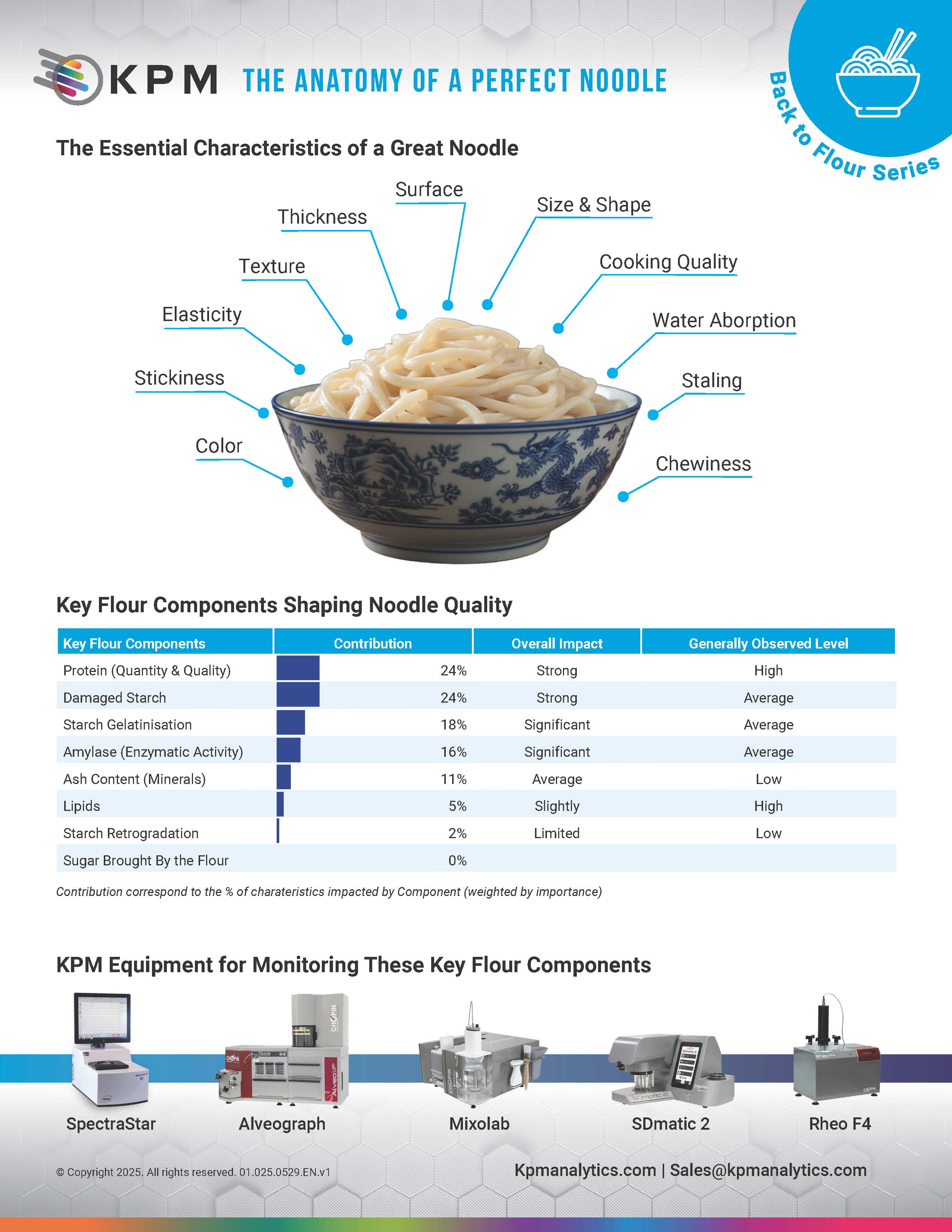
Noodle quality is definedby a combination of essential characteristics that shape both appearance andperformance during cooking. Size and shape, surface, thickness, texture,elasticity, stickiness, color, cooking quality, water absorption, chewiness, andstaling all contribute to how noodles are perceived and enjoyed. Achieving theright balance across these attributes is key to delivering consistent andhigh-quality noodle products.
This document identifiesthe main flour components that contribute to noodle quality and their relativeimpact. Protein quantity and quality and damaged starch show the strongestcontribution, while starch gelatinization and enzymatic activity have asignificant influence. Ash content and lipids play a moderate role, and starchretrogradation has a more limited impact. The document also indicates thegenerally observed levels of each component in relation to noodle applications.
By highlighting therelative contribution of each flour component, this resource helps illustratehow flour composition supports noodle quality across its key characteristics.
This document is part of the Back to Flour Series, an educational program that connects flour science to bakery product characteristics. Learn more here.