Noodles: When Flour Shapes Texture and Bite


The Noodle: Shape, Texture, and Mouthfeel
Noodle quality depends on achieving the right balance between elasticity, chewiness, stickiness, and cooking behavior. From fresh to dry noodles, consumers expect a product that looks appealing, separates easily, and delivers a pleasant bite once cooked.
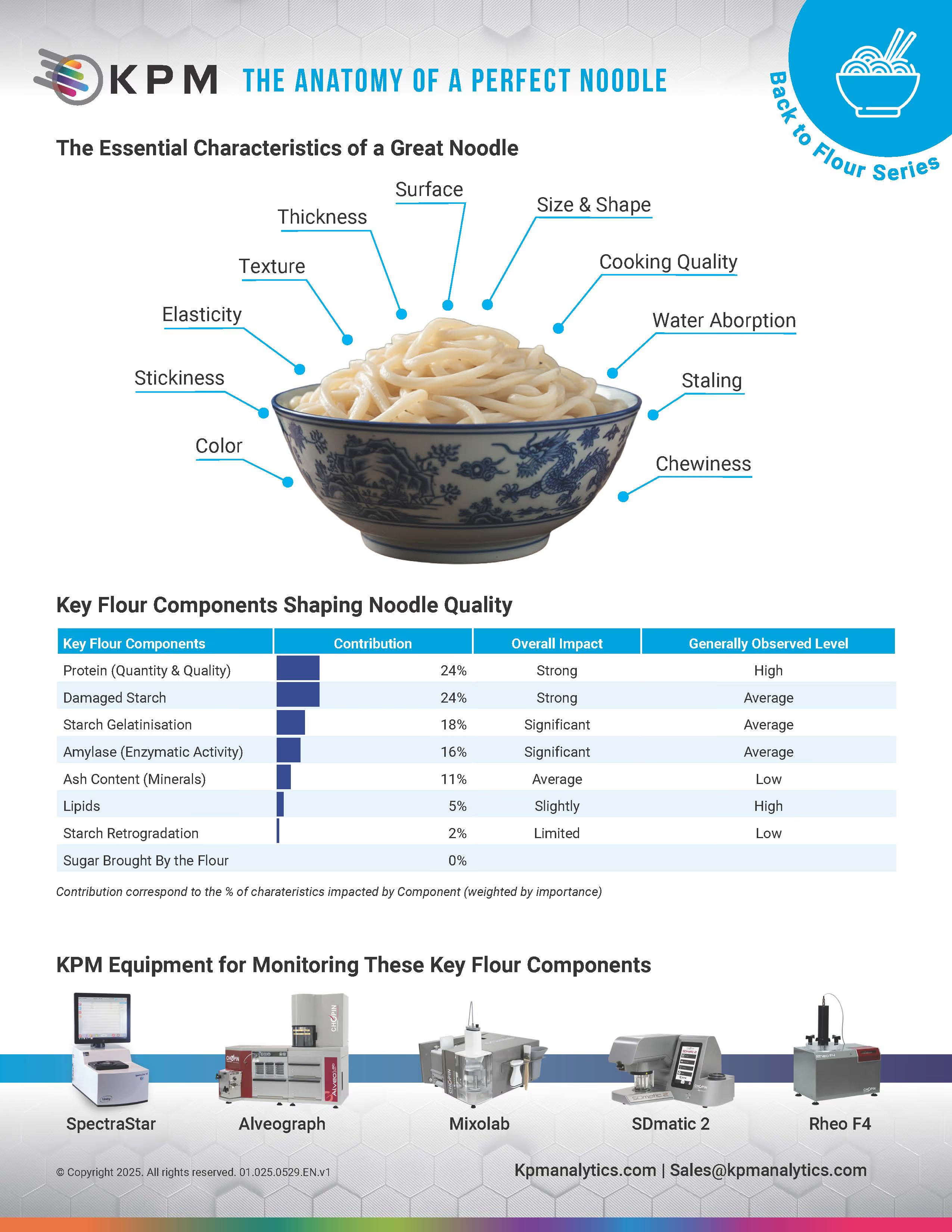
A great noodle combines color, size and shape, surface smoothness, thickness, elasticity, texture, chewiness, stickiness, water absorption during cooking, and shelf life. Each attribute plays a role in product performance and consumer acceptance. Noodles should stretch without breaking, remain distinct on the plate, absorb water evenly during cooking, and deliver the expected mouthfeel without becoming soggy or sticky.
Because noodles are largely made from flour and water, flour quality plays a decisive role. Differences in flour properties directly translate into visible and sensory differences in the final product, before and after cooking.
At the Table – Discover the “Noodle” Video
In the Back to Flour Series, the At the Table video dedicated to noodles shows that flour is one of the main drivers of noodle quality. As discussed in the video, noodles are largely defined by the balance between proteins and damaged starch, which together influence structure, elasticity, and cooking behavior.
Proteins play a key role in elasticity and texture, allowing noodles to stretch without breaking and contributing to chewiness. Damaged starch strongly affects cooking performance and stickiness, and must be carefully balanced with protein to avoid noodles clumping together.
Starch gelatinization influences how noodles absorb water during cooking and how their texture develops. Enzymatic activity (amylases) impacts color, especially when bright white noodles are desired, while excessive activity can lead to darker tones. Ash content also affects color, with higher levels producing greyer noodles. Lipids are mentioned as contributing factors, and starch retrogradation plays a role in staling, particularly in dry noodles with longer shelf life.
These flour components ultimately translate into the visible and sensory attributes observed at the table, such as elasticity, surface smoothness, stickiness, cooking behavior, and shelf-life performance.
A Quick Overview of Noodle Anatomy
Alongside the video, we provide a PDF guide, part of the At the Table series. It offers a concise snapshot of:
- The customer-desired attributes for noodles.
- The key flour components that help shape them.
📄 Download the PDF: The Anatomy of a Perfect Noodle
What’s Next?
This focus on Noodles is part of the Back to Flour Series, which connects flour functionality to finished product quality across all bakery and cereal-based segments. By understanding how flour composition drives texture, elasticity, cooking performance, and shelf life, producers can deliver consistent, high-quality noodles that meet consumer expectations.
The Back to Flour Series is constantly growing—with videos, technical PDFs, and resources across At the Table, Transformation of Dough, Secrets of Flour, and more technical insights to come.
Explore the categories below and stay tuned as we continue to connect flour functionality with product excellence.

.avif)