Pizza Crust: The Role of Flour in Crust Quality


The Pizza Crust: Visual Appeal, Texture, and Stability
In pizza, the crust plays a central role in the eating experience. Beyond toppings, it defines how the product looks, feels, and evolves over time. At the table, crust quality is expressed through color, surface appearance, texture, and shelf-life behavior. A good pizza crust should remain pleasant to bite into, and keep its quality after baking.
Consumers typically expect a light, uniform color, a crust that is neither gummy nor dry, and a texture that stays consistent from baking to consumption. Even subtle differences in crust appearance or handling can strongly affect perception of quality.
Although pizza crust may seem simple, these attributes depend largely on the properties of the flour used.
At the Table – Discover the “Pizza Crust” Video
In the Back to Flour Series, the At the Table video dedicated to pizza crust shows that final quality depends on much more than toppings. Color, size, shape, and thickness are the first visible cues, and they must meet both consumer expectations and packaging constraints.
The video highlights the importance of volume and rise, which define crust thickness and structure, as well as crispness, chewiness, and crumb structure, which together shape mouthfeel. Moisture and staling are also critical, especially for products intended for storage, as the crust must remain moist and stable over time.
Another key expectation is resistance to sogginess. When sauces and toppings are added, the crust should limit liquid absorption to avoid becoming soft or unstable.
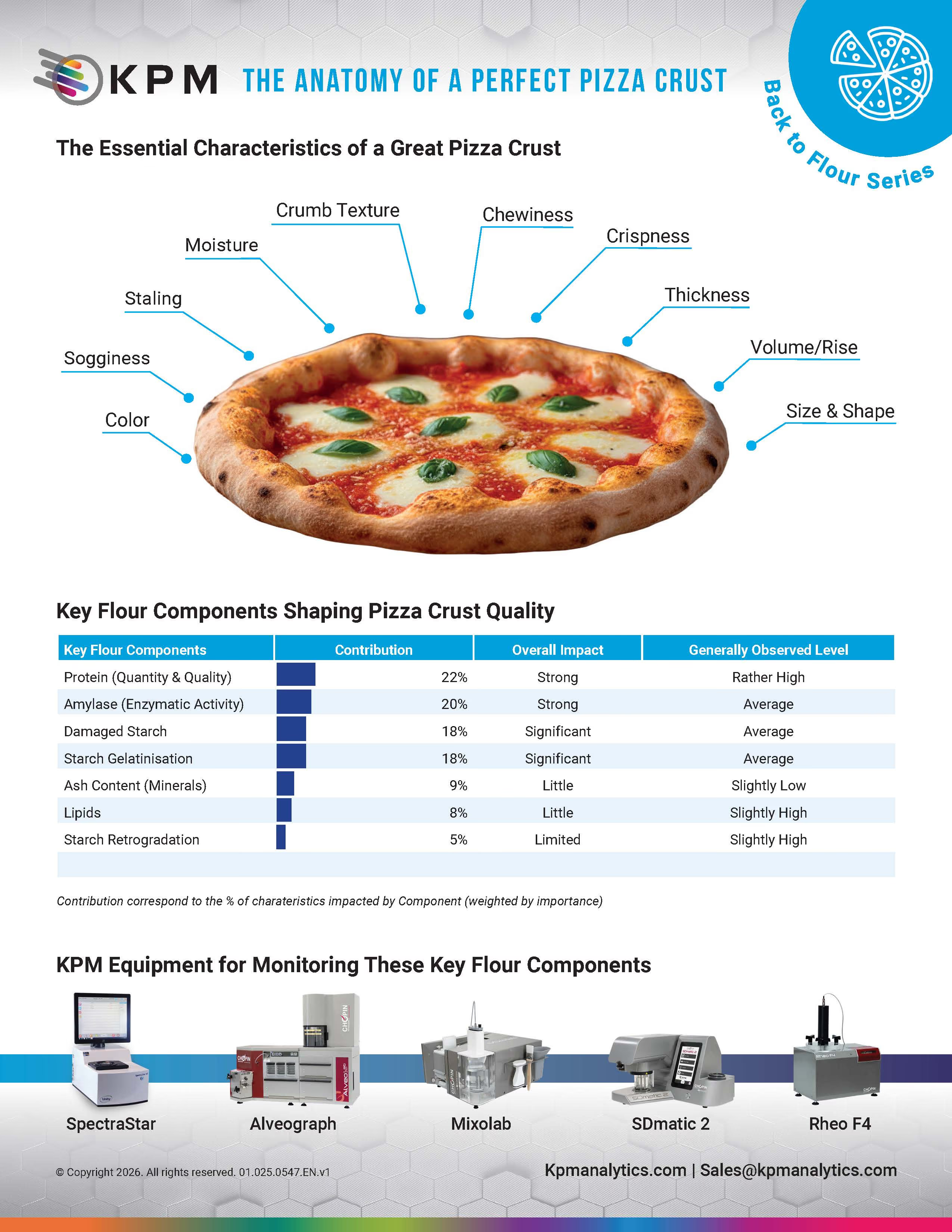
All these attributes are directly linked to flour composition. Protein quality ensures elasticity and extensibility, to control the shape, while damaged starch and enzymatic activity influence color, volume, and rise. Starch gelatinization sets crumb structure during baking, lipids support gluten development, and starch retrogradation affects shelf life. The balance between protein and damaged starch is essential to avoid excessive stickiness.
A Quick Overview of Pizza Crust Anatomy
Alongside the video, we provide a PDF guide, part of the At the Table series. It offers a concise snapshot of:
- The key quality attributes expectedin pizza crust
- The main flour components that help shape them
📄 Download the PDF: The Anatomy of a Perfect Pizza Crust
What’s Next?
This focus on Pizza Crust is part of the Back to Flour Series, which connects flour functionality with finished product quality across bakery applications. Understanding how flour properties influence color, stickiness, and shelf-lifebehavior helps pizza makers deliver consistent crust quality that meets consumer expectations.
The Back to Flour Series is constantly growing; with videos, technical PDFs, and resources across At the Table, Transformation of Dough, Secrets of Flour, and more technical insights to come.
Explore the categories below and stay tuned as we continue to connect flour functionality with product excellence.

.avif)