Texture: How Dough Transformation Shapes Final Structure


Why Texture Matters
Texture is not a single characteristic but the result of multiple mechanisms acting together during dough preparation and baking. As explained in the video, there is no universal “good” texture: expectations vary depending on the product and consumer preference. A cracker is expected to be crisp, a wafer to break easily, a croissant to be flaky and open, and a soft bread to remain tender. Even within the same product category, texture expectations can differ significantly, as illustrated by regional differences in pizza styles.
Because texture reflects how the dough has been transformed throughout the process, it is a key indicator of how well ingredients and process parameters have been controlled.
Transformation of Dough - Explore the Keys to Texture
In the Back to Flour Series, Transformation of Dough shows how flour composition influences the mechanisms that create and maintain texture.
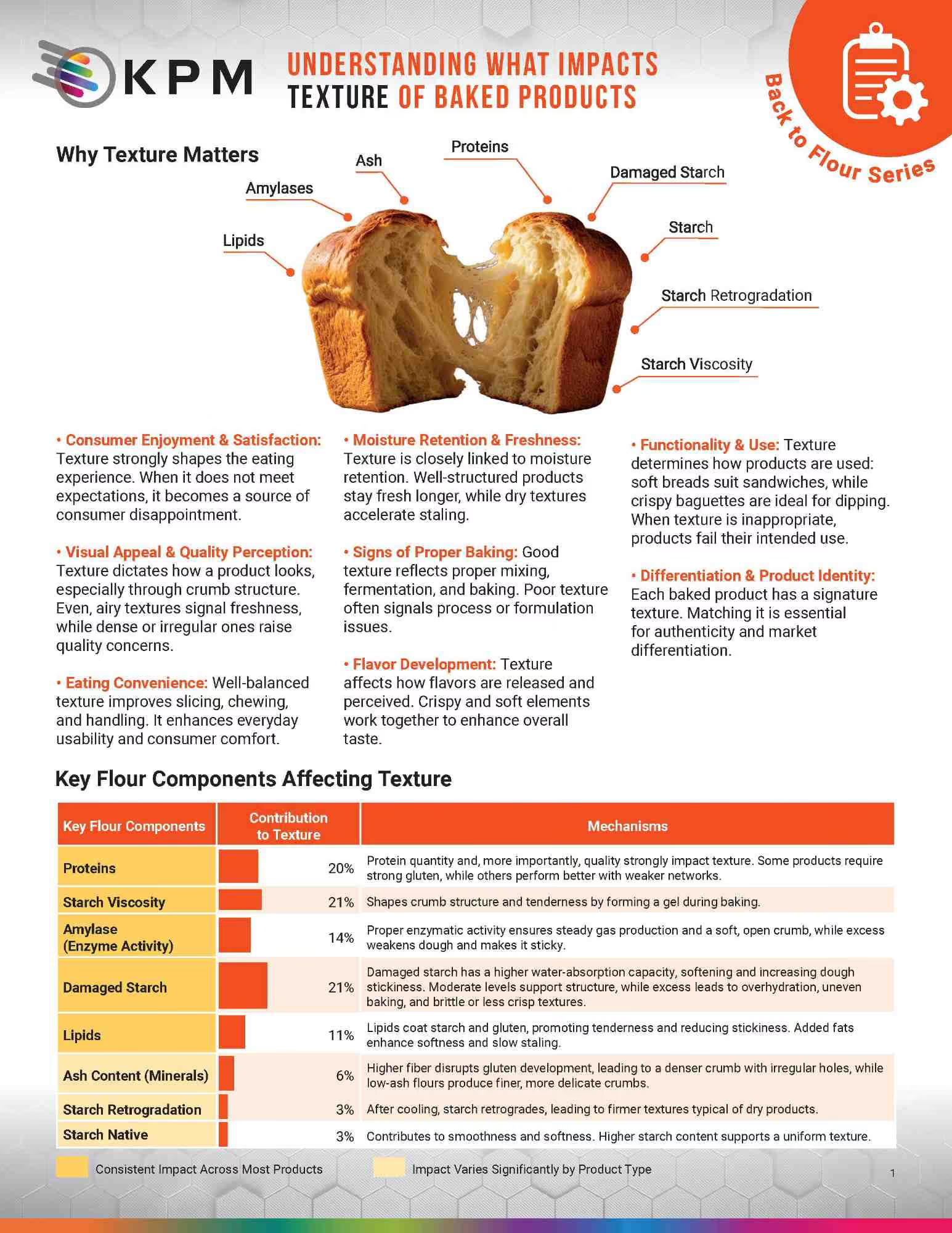
As described in the video, flour is the major component influencing texture. Protein content and quality, together with damaged starch, determine water absorption and dough consistency. These parameters also influence proofing behavior: damaged starch, combined with amylase activity, supports gas production, while protein enables gas retention and contributes to dough handling during shaping, cutting, or rolling.
During baking, starch gelatinization plays a central role in crumb formation and softness development. It defines how the structure is set as the dough transitions from a viscoelastic system to a solid baked product. After baking, starch retrogradation governs how texture evolves over time. Excessive retrogradation leads to faster loss of softness, particularly in soft products where freshness must be maintained.
Together, these mechanisms explain why texture is the outcome of multiple, interconnected transformations rather than a single parameter.
For a Quick Overview of Texture
Alongside the video, we provide a PDF guide that summarises the key flour components and dough mechanisms involved in texture development, and shows how they interact across different bakery products.
📄 Download the PDF: What Impacts Texture of Baked Product
What’s Next?
Texture brings together many individual characteristics—crumb structure, softness, crispness, elasticity, and stability over time—into a single result of dough transformation. Understanding how flour components drive these mechanisms helps bakers control texture more precisely, product after product.
The Back to Flour Series is constantly growing, with videos, technical PDFs, and resources across At the Table, Transformation of Dough, Secrets of Flour, and more technical insights to come.
Explore the categories below and stay tuned as we continue to connect flour functionality with product excellence.