FAQs
Application
Engine Coolant Analysis

Scalable Coolant Analysis for Heavy Equipment and Off-Road Fleets
Engine coolants (often called antifreeze in the U.S.) are essential to heavy-duty equipment reliability because they circulate through cooling systems built from a mix of metals across pumps, radiators, liners, and flow paths; when coolant chemistry drifts or incompatible fluids are introduced, the system becomes vulnerable to corrosion, cavitation, and deposit fouling that restricts flow and heat transfer. Cooling-system issues are a major cost driver in heavy equipment, contributing to over half of engine-related failures, which makes preventive coolant monitoring one of the highest-ROI maintenance steps operators can take. Most coolants are formulated from glycol, water, and an additive package that varies by brand and application but is fundamentally designed to prevent corrosion, protect cylinder liners, and extend engine lifespan.
Product Types
Measurement Capability
Defects Detection Capability
Wet Chemistry Analysis
Wet chemistry provides a quantitative view of coolant condition by measuring corrosion inhibitors and water-quality/contamination indicators. For heavy equipment, coolant selection and service practices should align with ASTM D6210 (heavy-duty diesel service), distinct from light-duty automotive coolants covered under ASTM D3306, and coolants should not be mixed across technologies, since additive chemistries can conflict and rapidly reduce protection.
Why Nitrites are the Key Paramater in Coolant Testing
One of the most important heavy-duty additives is nitrite (NO₂⁻). Nitrites form a protective coating layer on cylinder liners to reduce cavitation and pitting under high combustion pressures. Over time, that layer consumes nitrite, so concentrations decline. When nitrite drops below a secure threshold, coolant protection fades and coolant must be replaced.
Testing nitrite trends helps maintenance teams replace coolant at the right time:
- Too late → corrosion/pitting risk rises sharply
- Too early → coolant is discarded while still functional
A wet-chemistry nitrite program optimizes both protection and cost.
Key Analysis Parameters for Engine Coolant
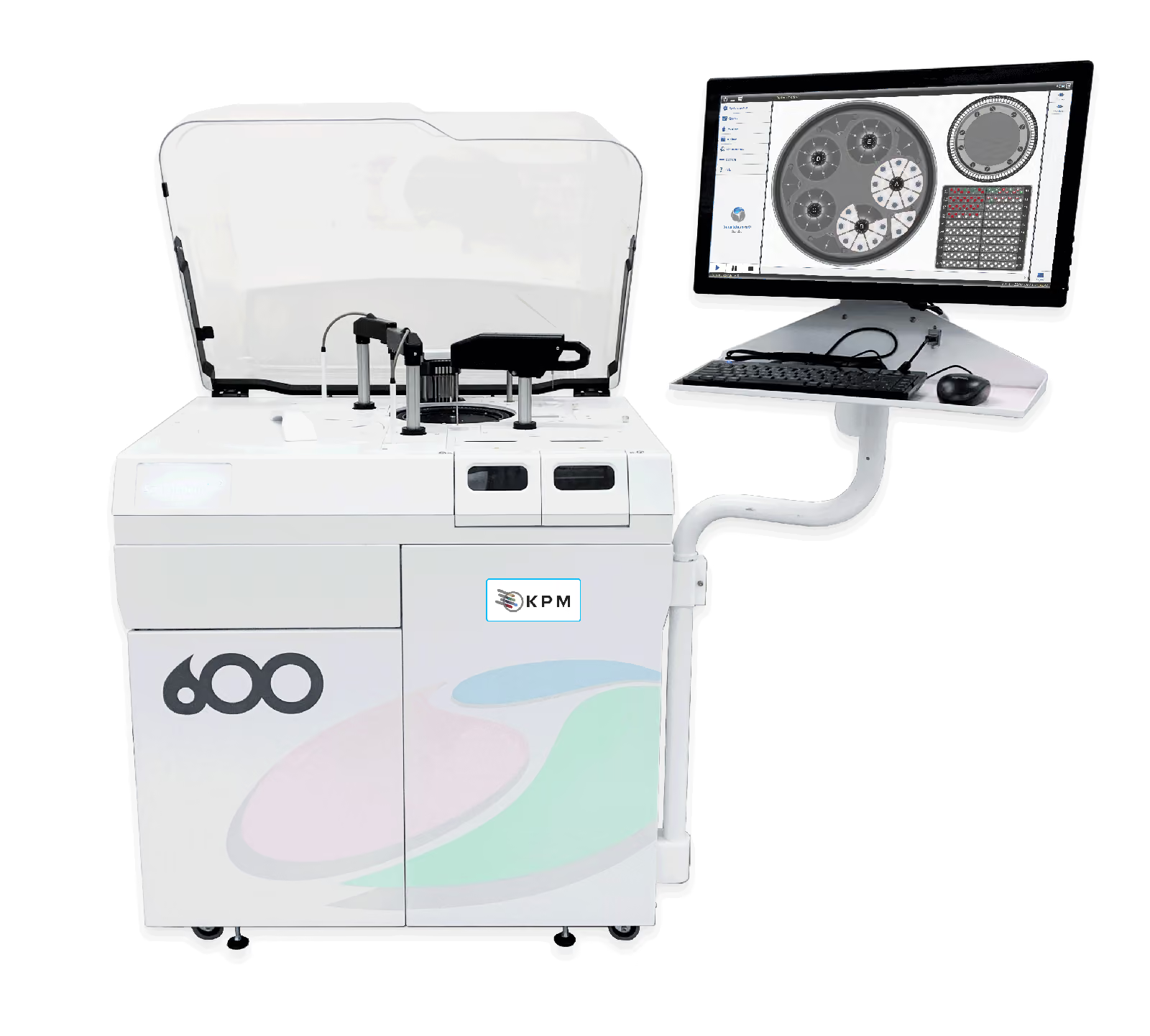
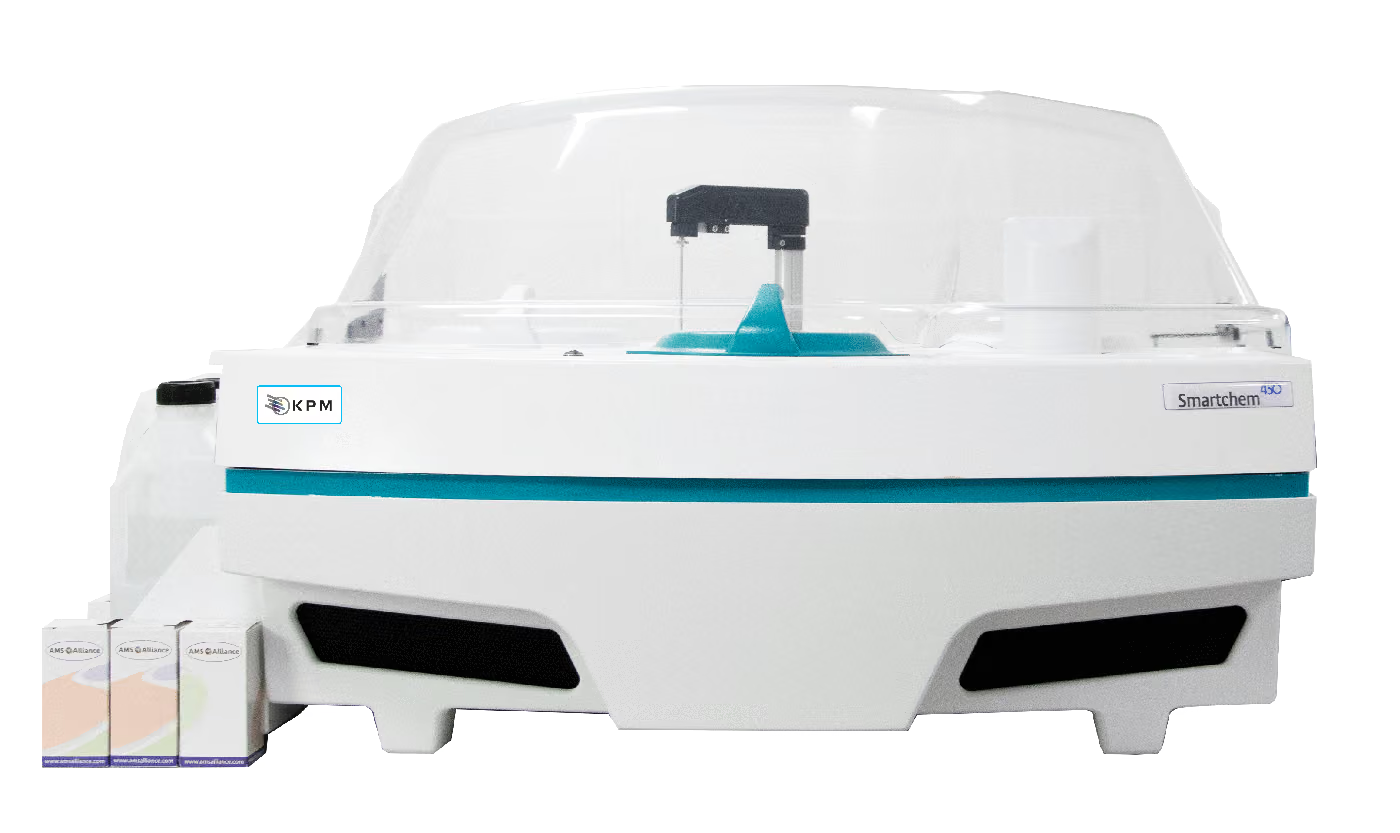
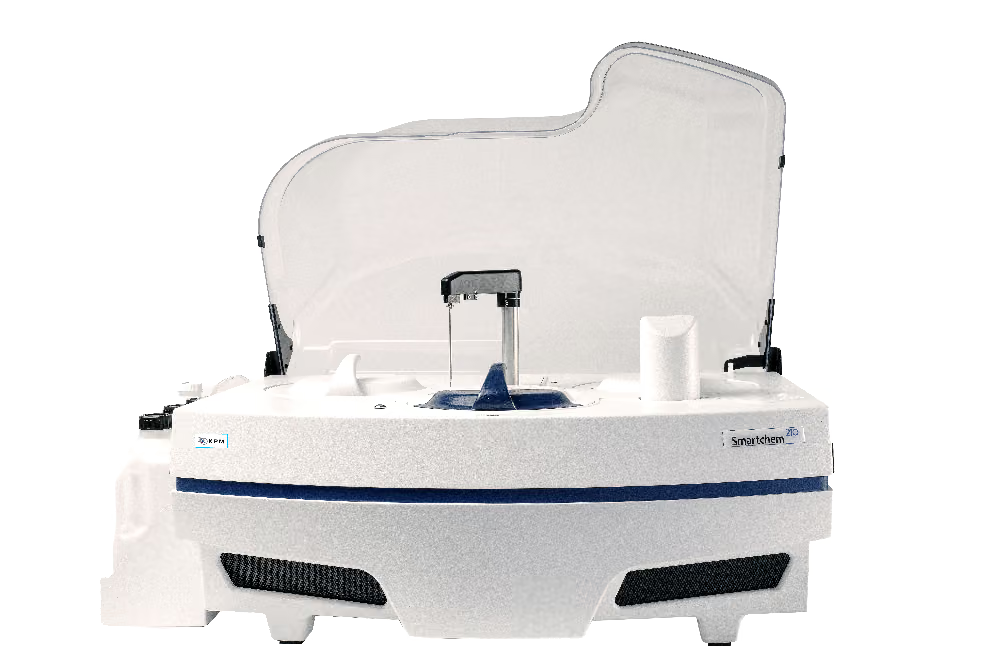
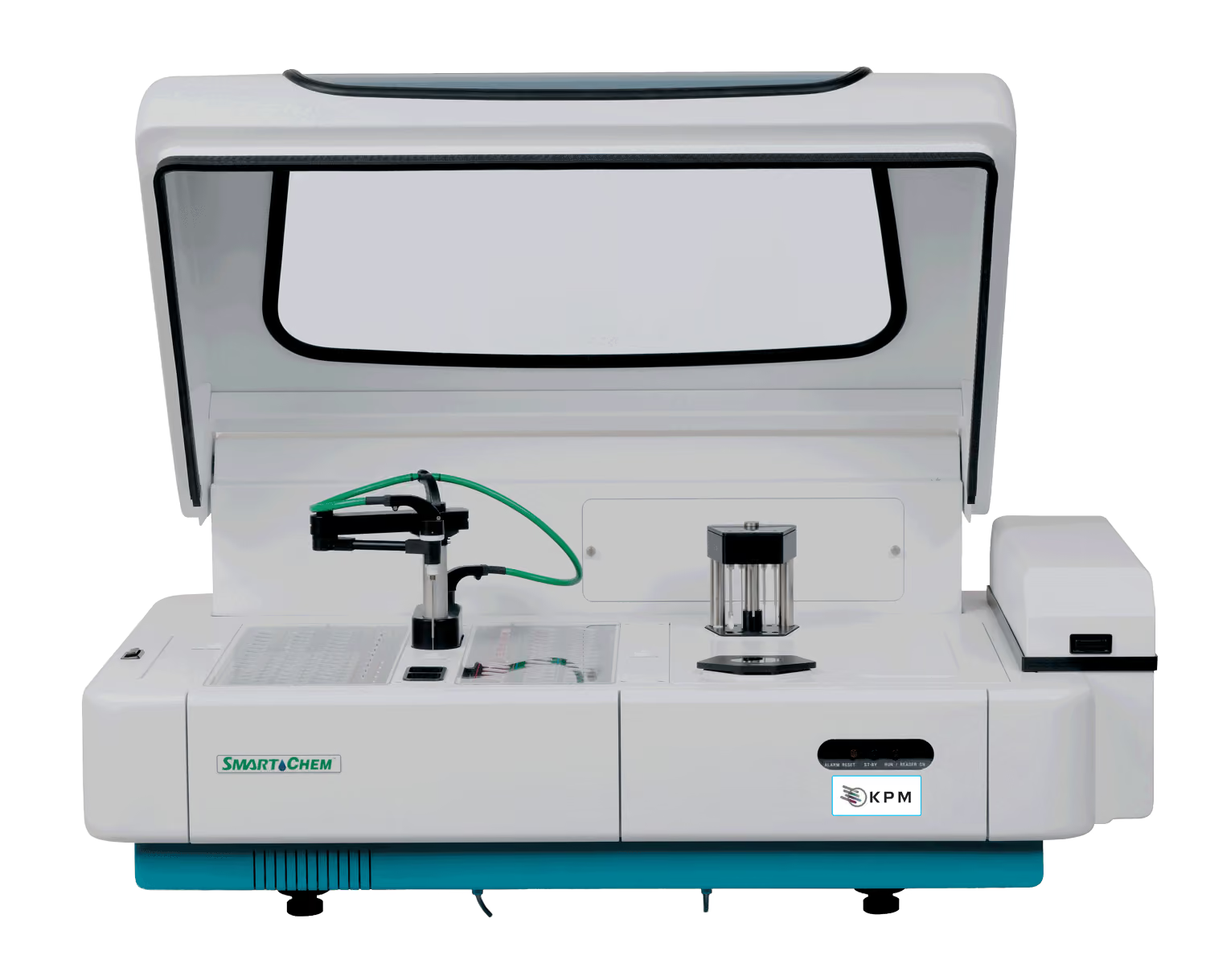
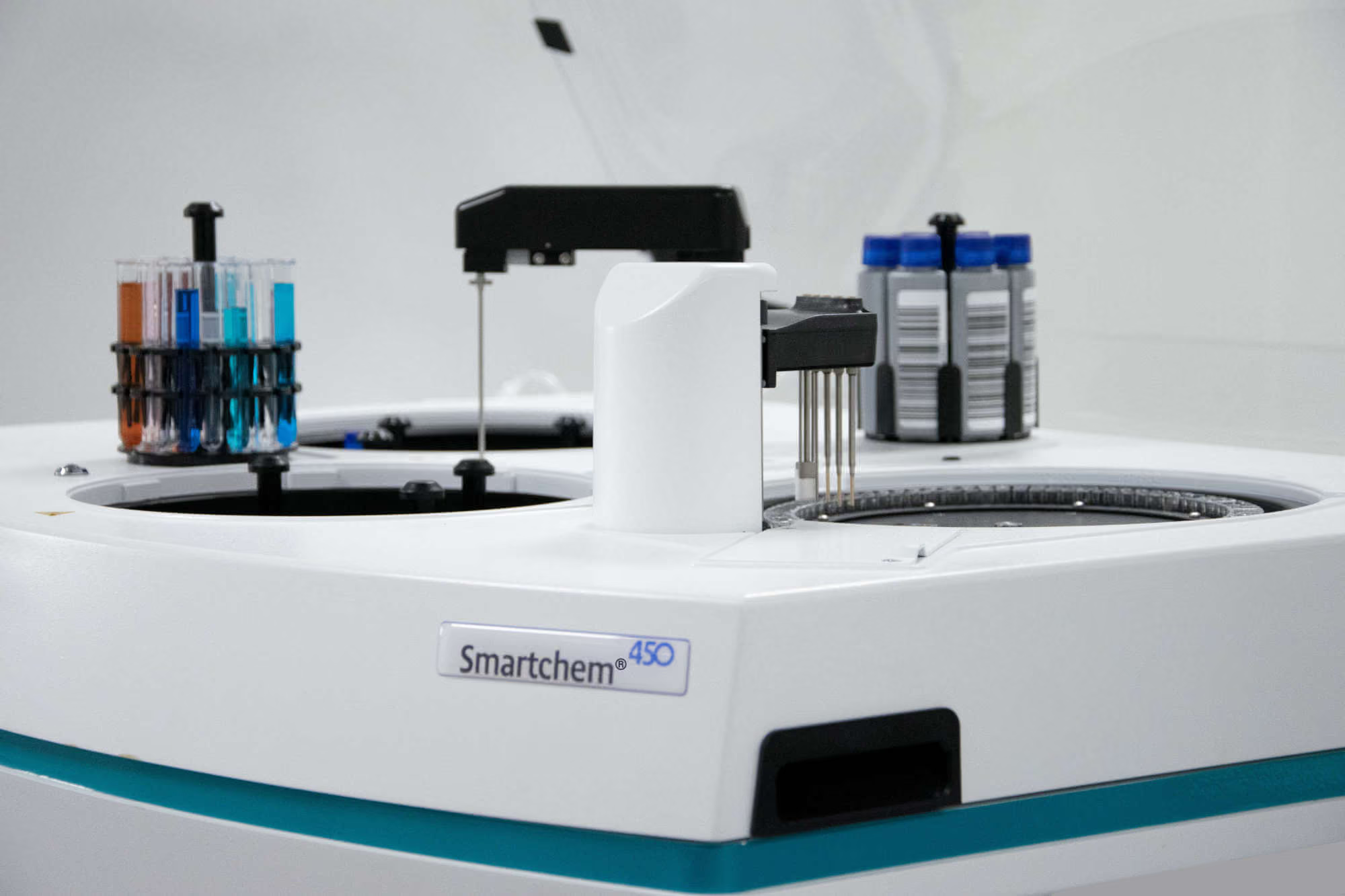
Coolant programs in heavy equipment typically use a routine maintenance screen and expand into deeper diagnostics when trends drift. SmartChem® discrete analyzers support both levels through automated colorimetric wet chemistry.
Note: SmartChem® discrete analyzers can run “pretty much anything measurable colorimetrically,” with a few reaction-specific exceptions, meaning programs can start with nitrite only and expand later.
Nitrite Testing by Colorimetry (SM 4500 NO₂B)
SmartChem® discrete analyzers automate the same nitrite wet-chemistry method used manually in many labs: SM 4500 NO₂B sulfonamide colorimetry, measured at 543 nm. Automation eliminates operator bias in pipetting, timing, blanking, calibration, and endpoint interpretation, while keeping the validated chemistry and reporting intact.
Learn more about the sulfonamide colorimetric reaction method in this video.
Why Discrete Analysis for Coolant Testing
Automated discrete analyzers consolidate wet-chemistry workflows into a single automated platform, including sample handling, reagent dispensing, calibrations, QC, measurement, cuvette washing, and reporting.
SmartChem® Advantages for Coolant Labs:
- High repeatability for SOS trending and confident maintenance decisions.
- Fully automated colorimetric wet-chemistry for nitrite plus expandable coolant panels.
- Fast turnaround from parallel testing / random access, including clean handling of rush samples.
- High throughput: after the first result, reporting every ~15–30 seconds per sample (vs. ~15 minutes/sample on ion chromatography).
- Ready-to-use dedicated reagents with barcode support for traceability and standardized results across sites.
- Continuous loading for flexible daily workflow and walk-away operation.
- Microliter chemistry reduces reagent use and overall liquid waste versus manual milliliter methods.
- No disposable cuvettes, minimizing hazardous solid waste; optional split into hazardous vs. non-hazardous liquid waste lines.
Bottom line: same wet-chem method, massively better efficiency.
Proven in industrial coolant programs: Discrete analyzers like SmartChem® are used in heavy-duty service models in companies such as those operating heavy equipment for construction purposes.
Why Move from Manual or Ion Chromatography?
Talk to a Coolant Testing Specialist
Contact KPM Analytics to discuss your coolant types, target nitrite ranges, and lab throughput requirements.
Whether you’re starting with nitrite trending or building a broader wet-chem coolant program, SmartChem® discrete analyzers help heavy-equipment operations:
- Prevent liner pitting and corrosion
- Optimize coolant change intervals
- Standardize testing across fleets and sites
- Reduce lab workload and waste
- Improve uptime and total cost of ownership
KPM Products
KPM Wet Chemistry Solutions for Coolant Analysis
No items found.
Resource Center