Chewiness: From Eating Sensation to Dough Mechanics


Why Chewiness Matters
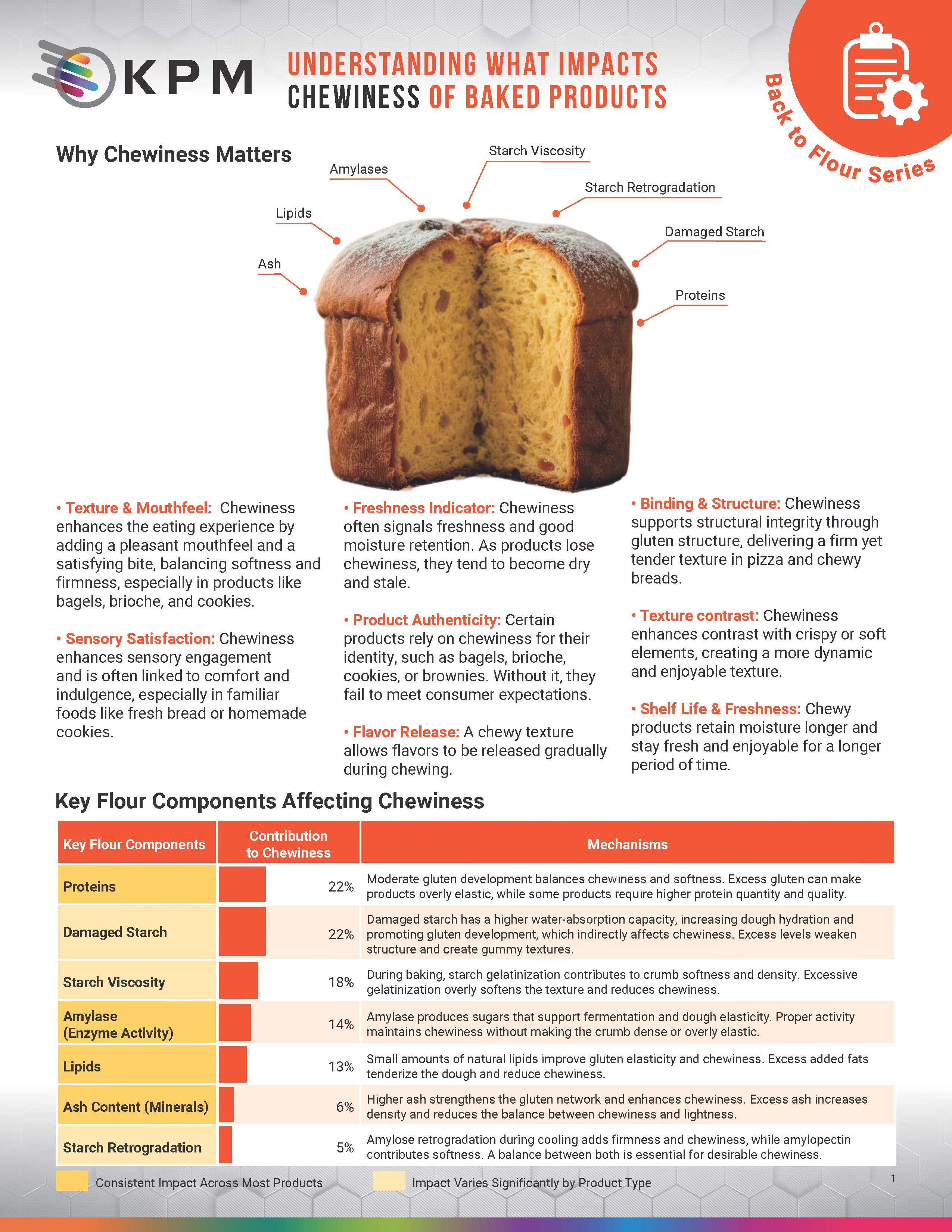
Chewiness describes how a product feels when it is eaten: how much resistance it offers, how long it stays in the mouth, and how it develops sensations during chewing. As explained in the video, there is no single definition of chewiness. Expectations vary depending on the product: soft breads, crispy products, crumbly biscuits, elastic doughs, or puffy baked goods all require different levels of chewiness.
Chewiness plays a central role in consumer satisfaction. Beyond shape and color, it strongly influences whether a product is enjoyed and purchased again. It also affects flavor perception, as longer chewing helps aromas and tastes develop in the mouth.
Transformation of Dough - Explore the Keys to Chewiness
In the Back to Flour Series, Transformation of Dough shows that chewiness is the result of multiple dough mechanisms acting together, rather than a single parameter.
As discussed in the video, protein is often the first component associated with chewiness, but its role depends on the product. Some products require higher protein quality, while others perform better with lower levels. There is no “good” or “bad” protein, only what fits the targeted texture.
Starch is identified as a major contributor. Damaged starch binds large amounts of water, which can enhance softness and chewiness in bread products, but is less suitable for dry products where water release is preferred. Starch gelatinization during baking defines crumb structure and helps establish the desired chewiness through proper starch viscosity.
Chewiness also evolves over time. In soft products such as pan bread, brioche, or croissants, maintaining chewiness means limiting firmness increase. This behavior is linked to starch retrogradation, which should occur slowly to preserve softness.
Finally, lipids contribute by smoothing gluten development during mixing and, when added through formulation, can further modify chewiness.
Together, these flour-driven mechanisms, protein, damaged starch, starch gelatinization, starch retrogradation, and lipids, explain why chewiness reflects the combined transformation of dough during mixing, proofing, baking, and storage.
For a Quick Overview of Chewiness
Alongside the video, we provide a PDF guide summarizing how flour components and dough mechanisms influence chewiness across different baked products.
📄 Download the PDF: What Impacts Chewiness of Baked Product
What’s Next?
Chewiness is closely linked to other texture-related attributes such as crumb structure, crispness, and softness. Understanding how flour composition drives these interactions helps bakers deliver consistent eating quality over time.
The Back to Flour Series is constantly growing, with videos, technical PDFs, and resources across At the Table, Transformation of Dough, Secrets of Flour, and more technical insights to come.
Explore the categories below and stay tuned as we continue to connect flour functionality with product excellence.