Hamburger Buns: When Flour Shapes Softness, Volume, and Performance


The Hamburger Bun: Soft, Stable, and Ready to Perform
Hamburger buns may look similar on the shelf, but their quality is revealed as soon as they are handled, sliced, filled, and eaten. A good bun must combine softness and volume with the ability to hold its shape, fit packaging constraints, and perform well once sauces and fillings are added.
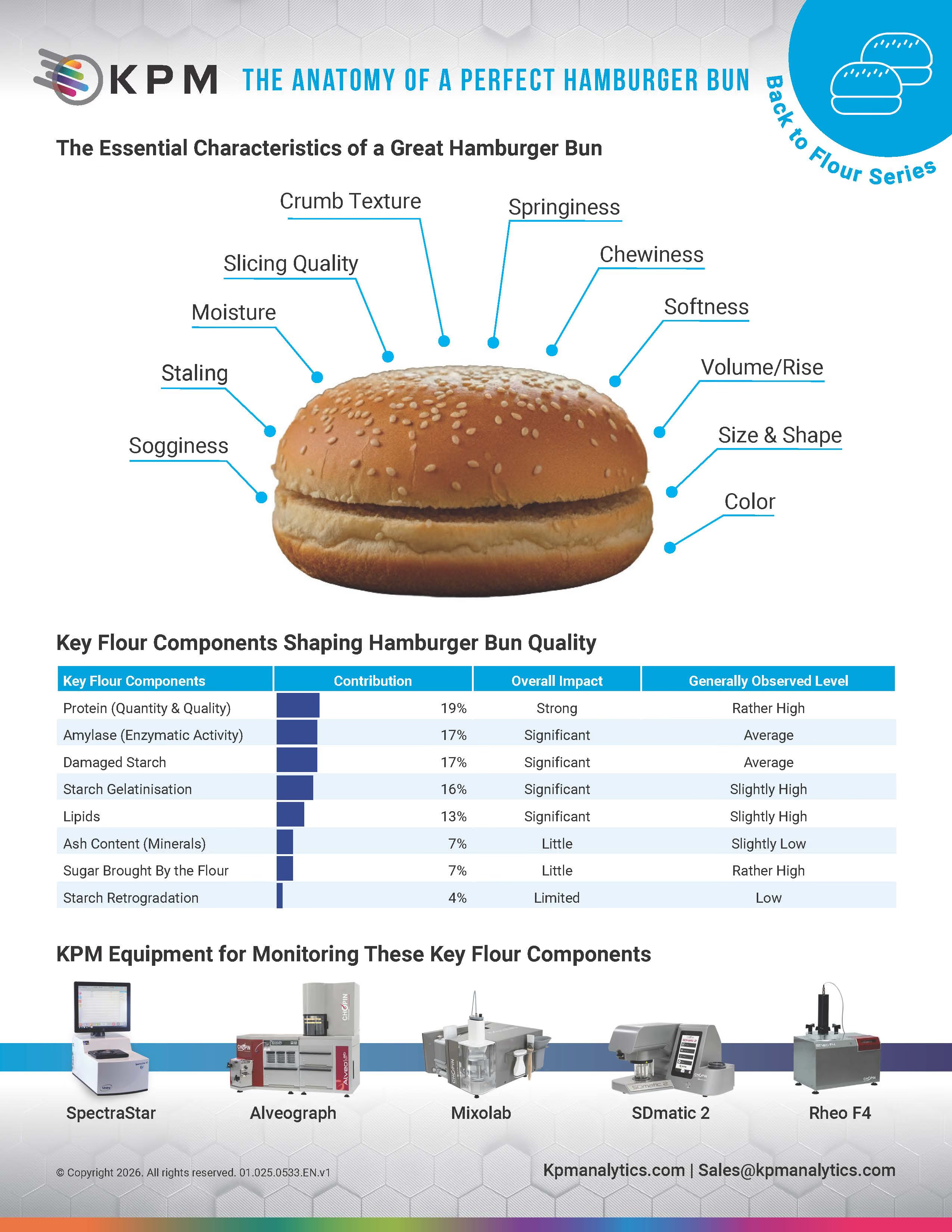
At the table, quality is expressed through color, size and height, surface regularity, crumb softness, chewiness, moisture, slicing behavior, and resistance to sogginess. Buns should open easily without tearing, slice cleanly without crumbling, remain soft over several days, and avoid becoming wet or mushy when in contact with condiments. Because this product is often stored before consumption, freshness and staling behavior are also key expectations.
Although hamburger buns appear simple, achieving this combination of attributes requires precise control of the flour used.
At the Table – Discover the “Hamburger Bun” Video
In the Back to Flour Series, the At the Table video dedicated to hamburger buns highlights how flour composition directly defines final bun quality, from visual appearance to eating performance.
Protein quantity and quality are presented as essential drivers of proofing and oven spring. They determine volume, height, diameter, and regularity—key factors for packaging and visual consistency. Protein also contributes to crumb structure, chewiness, and springiness.
Beyond protein, starch-related components play a central role. The balance between damaged starch and enzymatic activity (amylases) supports gas production and sugar availability, influencing both volume development and crust color. During baking, starch gelatinization sets the crumb structure, affecting softness, chewiness, and crumbliness.
Lipids help improve dough smoothness and support the development of a fine, regular crumb. Ash content influences color and gluten development, with higher levels leading to darker appearance and potentially reduced dough strength. Sugars contribute to softness, moisture retention, and color development.
Finally, starch retrogradation governs staling behavior. As shown in the video, controlling flour functionality is key to keeping buns soft over time and limiting drying, crumbling, or sogginess once the bun is filled.
These flour-driven mechanisms ultimately explain the differences observed at the table between a bun that performs well and one that fails in real consumption conditions.
A Quick Overview of Hamburger Bun Anatomy
Alongside the video, we provide a PDF guide, part of the At the Table series. It offers a concise snapshot of:
- The customer-desired attributes for hamburger buns
- The main flour components that help shape them
📄 Download the PDF: The Anatomy of a Perfect Hamburger bun
What’s Next?
This focus on Hamburger Bun is part of the Back to Flour Series, which connects flour functionality with finished product quality across bakery applications.Understanding how flour properties influence color, stickiness, and shelf-life behavior helps pizza makers deliver consistent crust quality that meets consumer expectations.
The Back to Flour Series is constantly growing; with videos, technical PDFs, and resources across At the Table, Transformation of Dough, Secrets of Flour, and more technical insights to come.
Explore the categories below and stay tuned as we continue to connect flour functionality with product excellence.

.avif)