Lipids: The Underrated Flour Component That Shapes Dough, Volume, and Freshness


Why Lipids Matter
Wheat flour naturally contains a small amount of lipids, typically 1 to 2% of its weight. They are rarely the center of attention in flour quality discussions, yet their influence on baking is real. Lipids act as natural lubricants for the gluten network, helping dough develop more freely and improving its extensibility. They also act as natural emulsifiers, and they contribute to softness, flavor, and shelf life. In many bakery products, fat, oil, butter, or margarine is added on top of what the flour already contains, which makes understanding lipid behavior even more relevant for bakers and millers.
Lipid content also varies with flour type. Whole wheat flour carries more fat from the bran and germ, leading to denser, moister breads. Refined flour contains less, giving a lighter texture but faster staling.
Transformation of Dough - Explore the Keys to Lipids
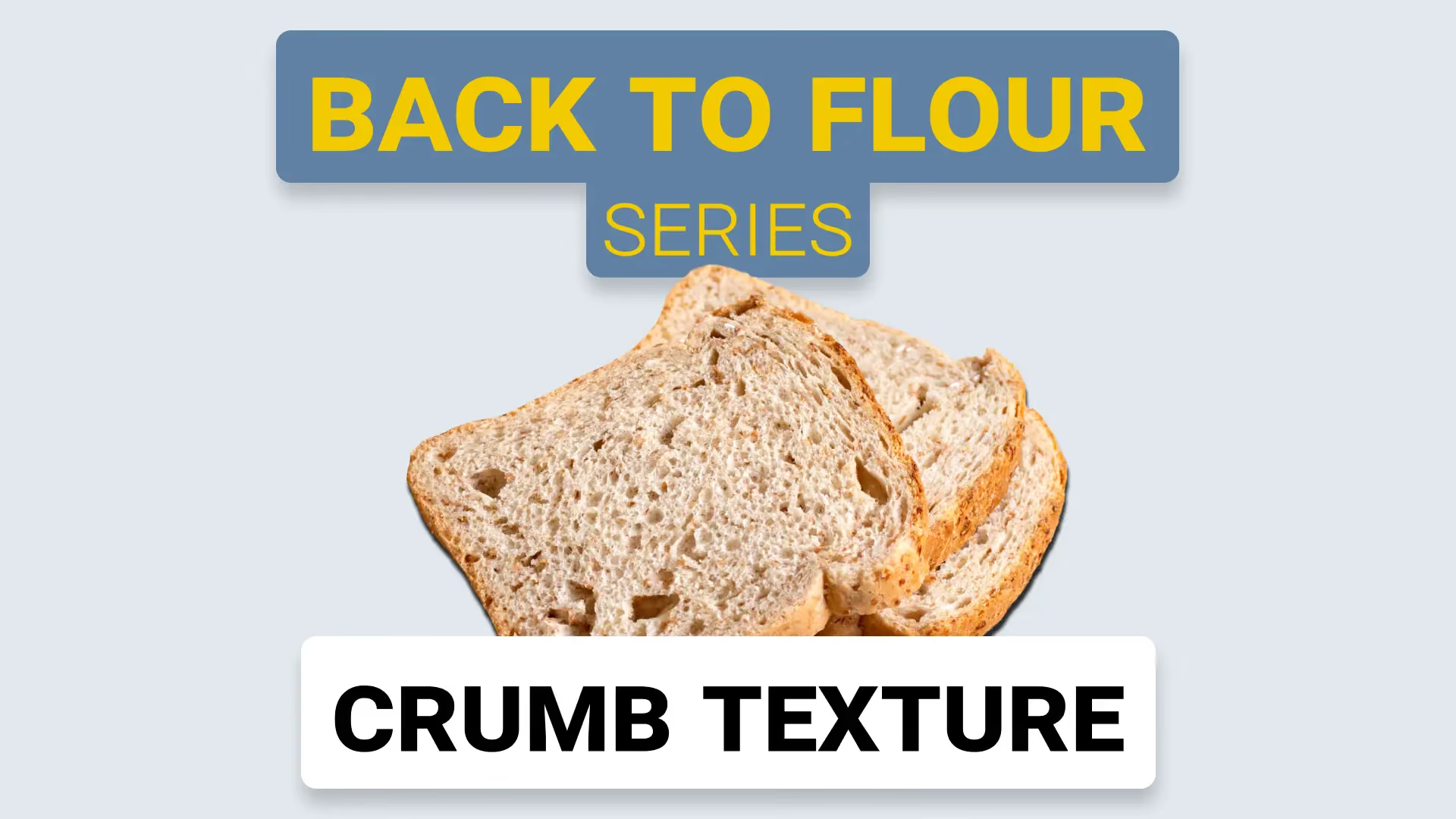
In the Back to Flour Series, the Secrets of Flour video dedicated to lipids explains why this component deserves more attention than it usually receives.
As discussed in the video, lipids help gluten chains move more freely. A well-lubricated gluten network develops better, which improves dough extensibility and handling. This matters during proofing, when gas produced by fermentation must be retained by the gluten. A stronger, better-developed network retains more gas, with a direct impact on volume, crumb structure, and shape.
Lipids also shape the sensory side of the product. The flavor and aroma of butter-rich products such as croissants depend on fat. Lipids also affect shelf life: they interact with starch to reduce staling and keep the crumb tender, but too much fat can lead to unpleasant flavors developing over time.
Measuring lipids requires looking at both content and function. The SpectraStar measures the amount of fat in flour using NIR technology. The Alveolab measures the impact of lipids on dough properties, including tenacity, extensibility, elasticity, and baking strength. The Mixolab shows how fat influences mixing behavior and dough development in zone 1, and how the gluten reacts to heating in zone 2. The Rheo F4 completes the picture by measuring gas retention during proofing, as well as gas production and the overall impact on product volume.
For a Quick Overview of Lipids
Alongside the video, we provide a PDF guide as part of the Secrets of Flour series. It offers a concise overview of:
- What natural lipids are and how much wheat flour contains
- Why they matter for dough development, gas retention, moisture, flavor, and crumb softness
- How the SpectraStar, Alveolab, and Mixolab measure lipid content and its impact
📄 Download the PDF: Understanding Baking Products: How Important Are Natural Lipids and How to Measure Them?

What’s Next?
This exploration of lipids is part of the Back to Flour Series, which connects flour functionality to the quality of finished bakery products. Understanding how lipids interact with gluten gives millers and bakers another lever to control dough behavior, volume, and freshness.
The Back to Flour Series is constantly growing, with videos, technical PDFs, and resources across At the Table, Transformation of Dough, Secrets of Flour, and more technical insights to come. Explore the categories below and stay tuned as we continue to connect flour functionality with product excellence
Explore the categories below and stay tuned as we continue to connect flour functionality with product excellence.